The Handelot Times
Building resilient supply chains: how companies are strengthening operations against global risks
How Companies Are Strengthening Operations Against Global Risks In an increasingly complex and interconnected global economy, businesses face growing challenges in maintaining stable and efficient supply chains.
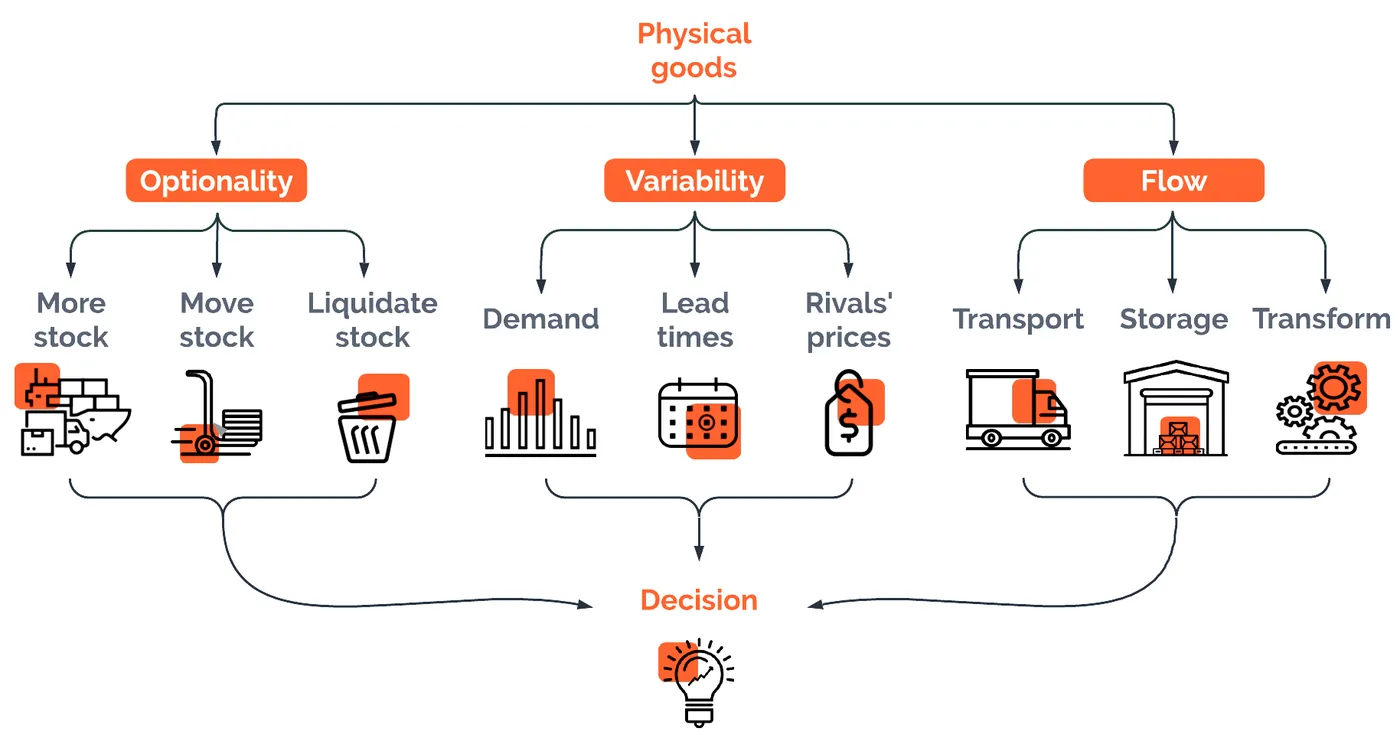
Recent years have highlighted the vulnerabilities of traditional supply chain models, pushing companies to adopt new resilience strategies to ensure continuity, reduce risks, and improve decision-making processes. The key to supply chain resilience lies in leveraging data-driven insights, diversifying supplier networks, and enhancing operational flexibility. By implementing advanced risk assessment models and predictive analytics, businesses can anticipate disruptions before they occur and respond proactively. According to a report by Moody’s, companies that integrate alternative data and advanced analytics into their supply chain strategies are significantly better positioned to manage risks, assess supplier stability, and mitigate potential disruptions before they escalate.
The growing complexity of supply chain risks
Modern supply chains are vast, spanning multiple countries and involving thousands of suppliers, logistics partners, and regulatory frameworks. While globalization has allowed businesses to source materials and labor from the most cost-effective regions, it has also increased their exposure to external risks. Some of the key threats that organizations face today include:
Economic Volatility and Inflationary Pressures: Fluctuations in economic conditions, rising inflation, and shifts in consumer demand create significant uncertainty. Supply chains that rely on just-in-time inventory models are particularly vulnerable to sudden disruptions in demand or production capacity. Businesses must develop contingency plans to absorb financial shocks and remain competitive.
Cybersecurity Threats in an Interconnected World: As supply chains become more digitalized, the risk of cyberattacks, data breaches, and ransomware incidents increases. Cybercriminals target weak links in supply chain networks, disrupting operations and compromising sensitive information. Companies must prioritize cyber resilience, investing in secure IT infrastructure, real-time monitoring, and encryption technologies to protect their operations.