The Handelot Times
Unified grade system
It’s tough to know what you’re getting in your stock sometimes. Companies in the B2B realm each have their own criteria for grading device stocks.
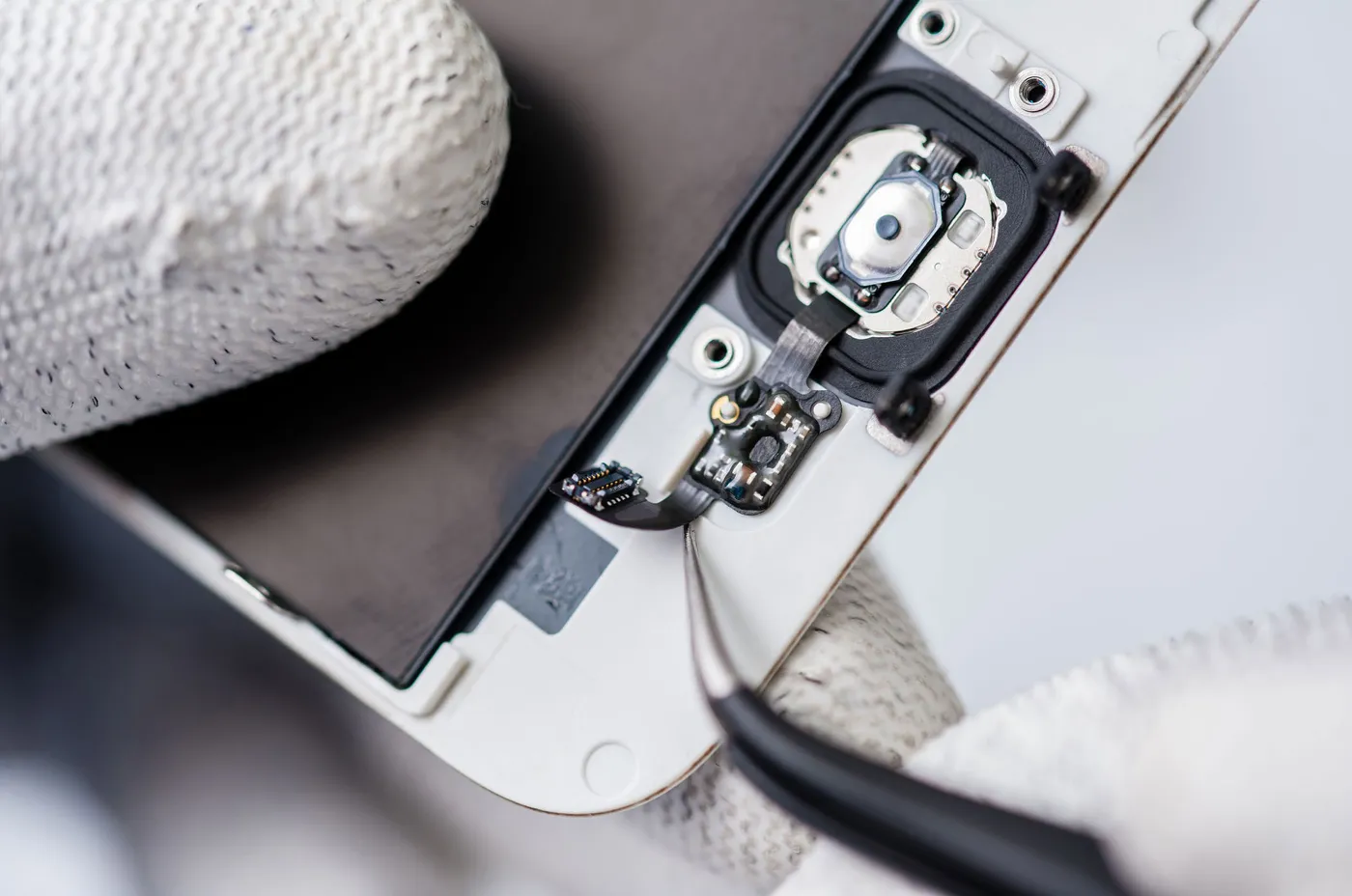
It’s tough to know what you’re getting in your stock sometimes. Companies in the B2B realm each have their own criteria for grading device stocks. It has caused us all a great deal of confusion from time to time, and due to that confusion we sometimes run the risk of not giving our customers the quality we had assured them. When it comes to these differences, deals are on the line! Of course, it’s easy to deduce what a grade-A device looks like – product in (nearly) flawless condition. The step down from A to B is also more-or-less widely agreed upon. There’s not much to argue; a screen with a minor crack or a scratch can’t be a perfect A, so it must be B.
However, the drop-off from here is steep, and there is more room for discrepancies and confusion to set in. A grade-C phone can mean heavier cosmetic damage, but to what extent? How deep are the dents in that aluminum casing? Do those scratches on the glass surface near the lens obstruct the camera’s ability to work? And what about the insides – does the battery lose charge quickly? Does the phone come with one at all? Is it able to be unlocked? Was the data from the previous owner able to be wiped clean? Was it hacked?
We at Handelot want to simplify the confusion that comes from assessing a phone’s grade. We also believe that traders should have access to information that tells a device’s history in an easy, shorthand way that enables quick decisions on further action. For the first time, here is our guide to grading used mobile phones. We’ve kept the grades largely the same - from ‘A’ to ‘C’, but ‘X’ instead of ‘D’ to determine phones that have not been wiped. Also, each ‘C’ grade carries an extra letter designation that allows easy identification of problems, from a ‘CA’ for no battery to ‘CY’ for an unlockable SIM.