The Handelot Times
A quick guide to generative AI, leading trend for 2024
Generative AI, a form of artificial intelligence technology, excels in generating a variety of content types, such as text, images, audio, and synthetic data.
Generative AI, a form of artificial intelligence technology, excels in generating a variety of content types, such as text, images, audio, and synthetic data. The recent excitement surrounding generative AI stems from the ease of use of new user interfaces, allowing for the rapid creation of high-quality text, graphics, and videos within seconds.
It’s worth noting that generative AI isn’t a novel concept. Its origins can be traced back to the 1960s with the advent of chatbots. However, it wasn’t until 2014, with the introduction of generative adversarial networks (GANs), a type of machine learning algorithm, that generative AI gained the ability to produce convincingly authentic images, videos, and audio resembling real people.
This newfound capability has presented various opportunities, including enhanced movie dubbing and the creation of rich educational content. However, it has also raised concerns about deepfakes — digitally manipulated images or videos — and potential cybersecurity threats to businesses, such as deceptive requests that convincingly mimic a superior. GAI: Recent Developments Two recent advancements have been instrumental in bringing generative AI to the forefront: transformers and the groundbreaking language models they facilitate. Transformers, a form of machine learning, have enabled researchers to train increasingly larger models without the need for pre-labeling all data.
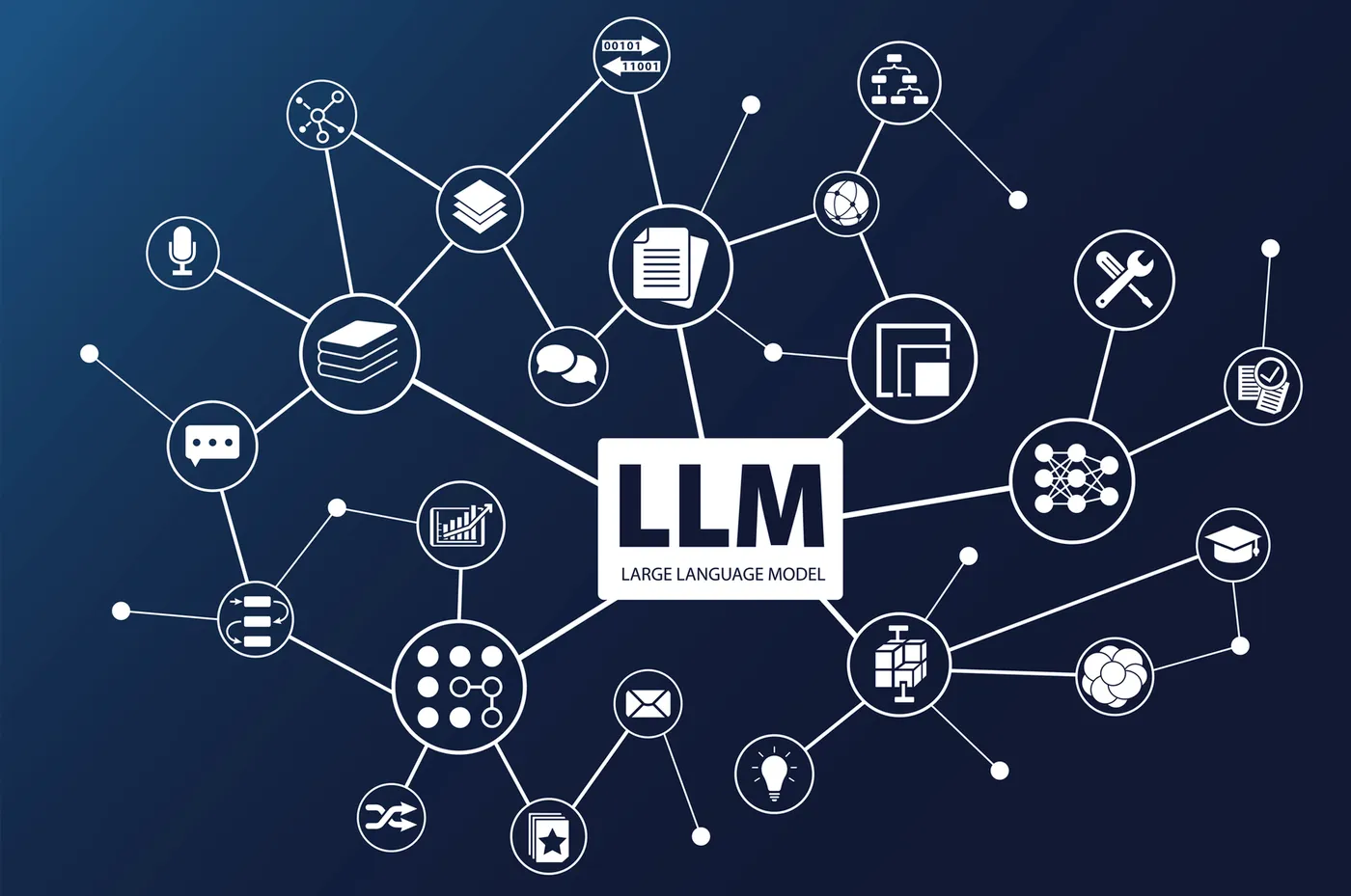
These models can be trained on vast amounts of text, resulting in more comprehensive responses. Additionally, transformers introduced the concept of attention, allowing models to track connections between words across various texts, enabling analysis beyond individual sentences. The rapid progress in large language models (LLMs), encompassing billions or even trillions of parameters, has ushered in a new era where generative AI models can effortlessly produce engaging text, lifelike images, and even entertaining sitcoms.