The Handelot Times
Authenticity in a synthetic world
There was a time when digital content was scarce enough to command attention simply by existing. Today, abundance defines the landscape. Images are generated in seconds. Videos are scripted by language models.
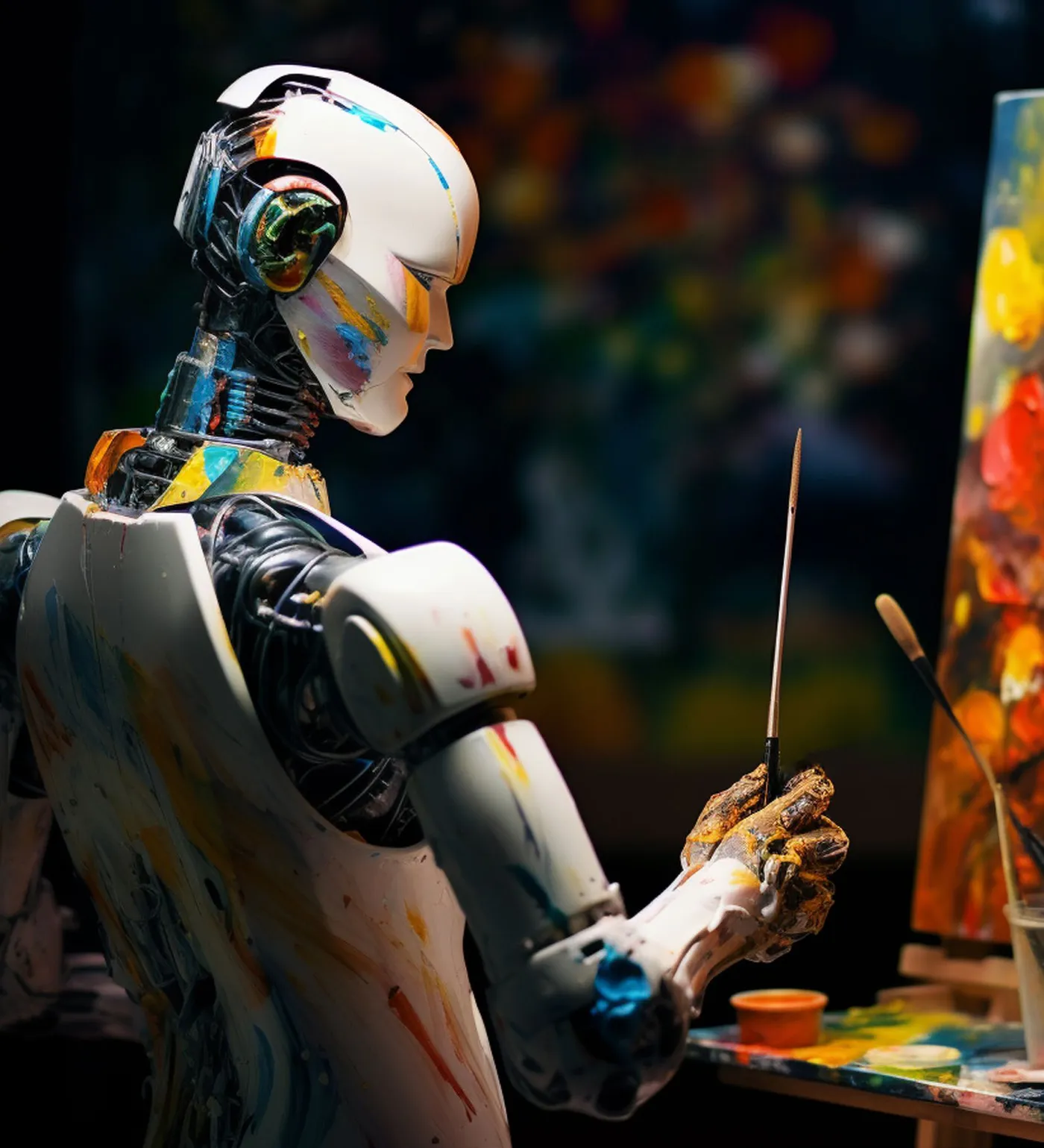
We now operate in an environment where it is increasingly difficult to distinguish between human-crafted expression and algorithmic output. Copy sounds polished. Visuals look cinematic. Brand voices feel structured and strategically aligned. And yet, something subtle is shifting beneath the surface.
If everything can be generated, what remains scarce? What remains scarce is coherence rooted in lived experience.
In a world saturated with synthetic outputs, authenticity becomes structural advantage. This does not mean AI cannot move people. It can. It can simulate tone, analyze sentiment and replicate emotional patterns. But it cannot replace the unique interpretative filter through which a real person — or a real company shaped by real decisions — sees the world.
Creators and businesses are beginning to recognize this. Communication is becoming less polished and more personal. Visual outputs include imperfections intentionally. Language feels less optimized and more situated. Brands are choosing clarity of belief over density of features. Authenticity, in this context, is not nostalgia. It is strategic positioning.