The Handelot Times
Cybersecurity, 5G and AI: the security risks of 2030
The exponential growth of IoT devices connected to the networks of telecommunications operators and to cloud infrastructures go hand in hand with the development of the 5G networks necessary for their diffusion.
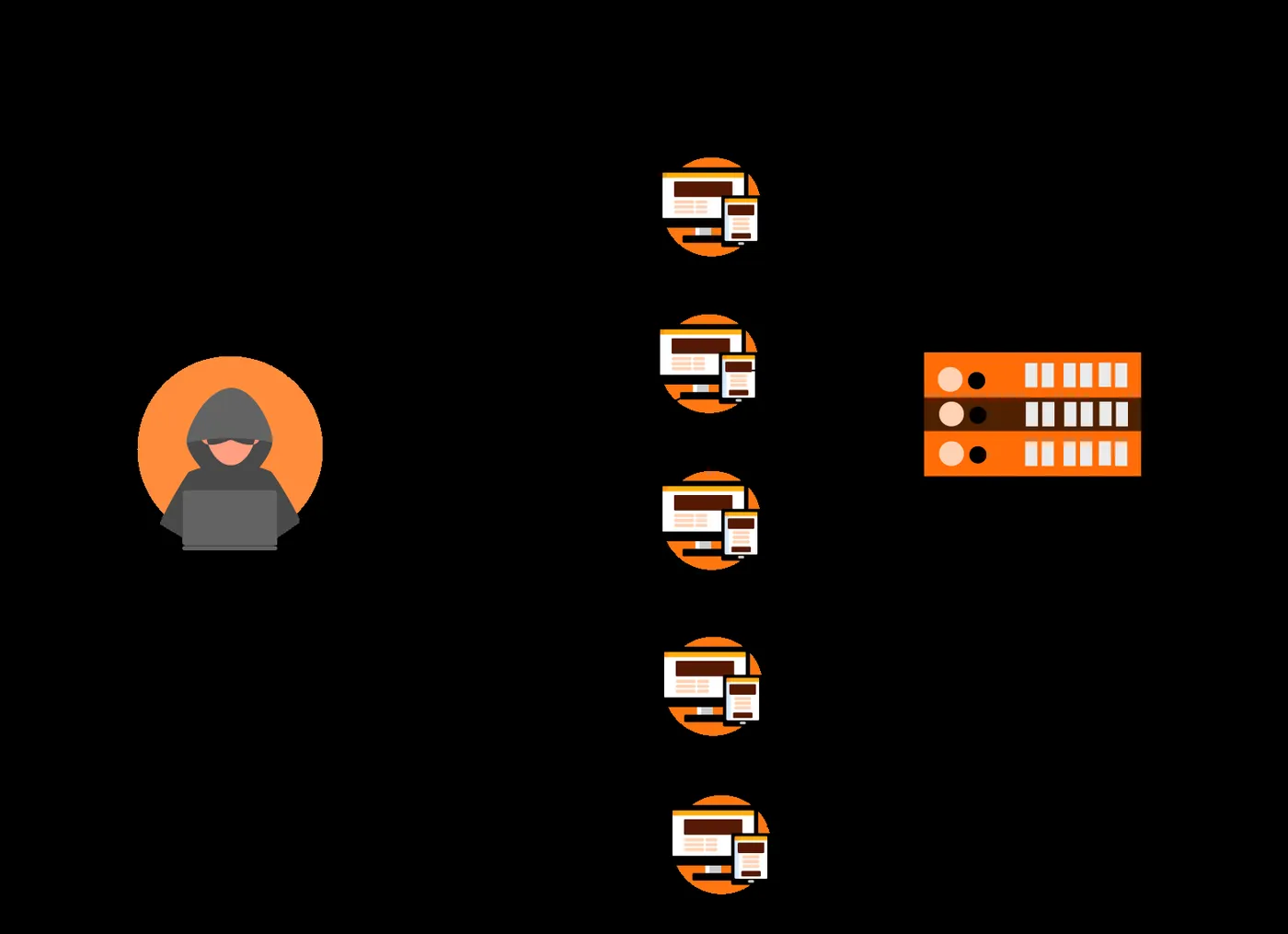
The exponential growth of IoT devices connected to the networks of telecommunications operators and to cloud infrastructures go hand in hand with the development of the 5G networks necessary for their diffusion. This scenario is creating an environment full of cybersecurity pitfalls, especially with the evolution towards the smart factory.
That’s why, several research agencies that deals with cybersecurity, had presented projects projected in 2030, to predict the scenarios for the future of cybersecurity, a study of what the world could be like at the beginning of the next decade, especially with regard to the new threats to IT security. Among these, the group includes upcoming 5G and 6G connectivity standards, which will make intrusion attempts more precise and sophisticated. One of the main projects was built on the basis of open source research, studying threat landscape reports from companies and scientists across Europe, monitoring patents, and with the support of an invitation-only online survey and another aimed at CISOs. The research-based web series, moreover, is intended to be an engaging and fun way to get a glimpse into the future and allow organizations to think about how they will have to adapt to new realities.
How was it done?
The artificial intelligence tools, which will be able to give even hackers without technical skills the opportunity to carry out cybercriminal attacks, on a larger scale, were facilitated by automatic software. Furthermore, the techniques of concealment through artificial intelligence make it impossible to attribute identities, posing problems on the effective recognition of criminals and their unauthorized access to breached systems. An interesting starting point is that of ‘techno-nationalism’. With this term, the specialists indicate a scenario in which advanced technology becomes a key geo-strategic tool for some of the most powerful nations in the world and this will further widen the gap with other countries.
The role of IoT
The cyber security scenario is further complicated with the use of massive IOT (Internet of Things) enabled by 5G in healthcare, mobility, Smart City and Industry 4.0 in the time of Covid. Some cyber security scenarios related to the evolution of TLC infrastructures will be highlighted and how it is possible to mitigate the risks associated with the evolution of Smart Working and the Smart Factory imposed by the productive and social changes caused by COVID.