The Handelot Times
Cybersecurity in the AI era: new threats, new defenses
New Threats, New Defenses The relationship between artificial intelligence and cybersecurity has always been paradoxical. Every advance in AI creates new tools for defenders and new weapons for attackers. But in 2026, this arms race has reached a tipping point.
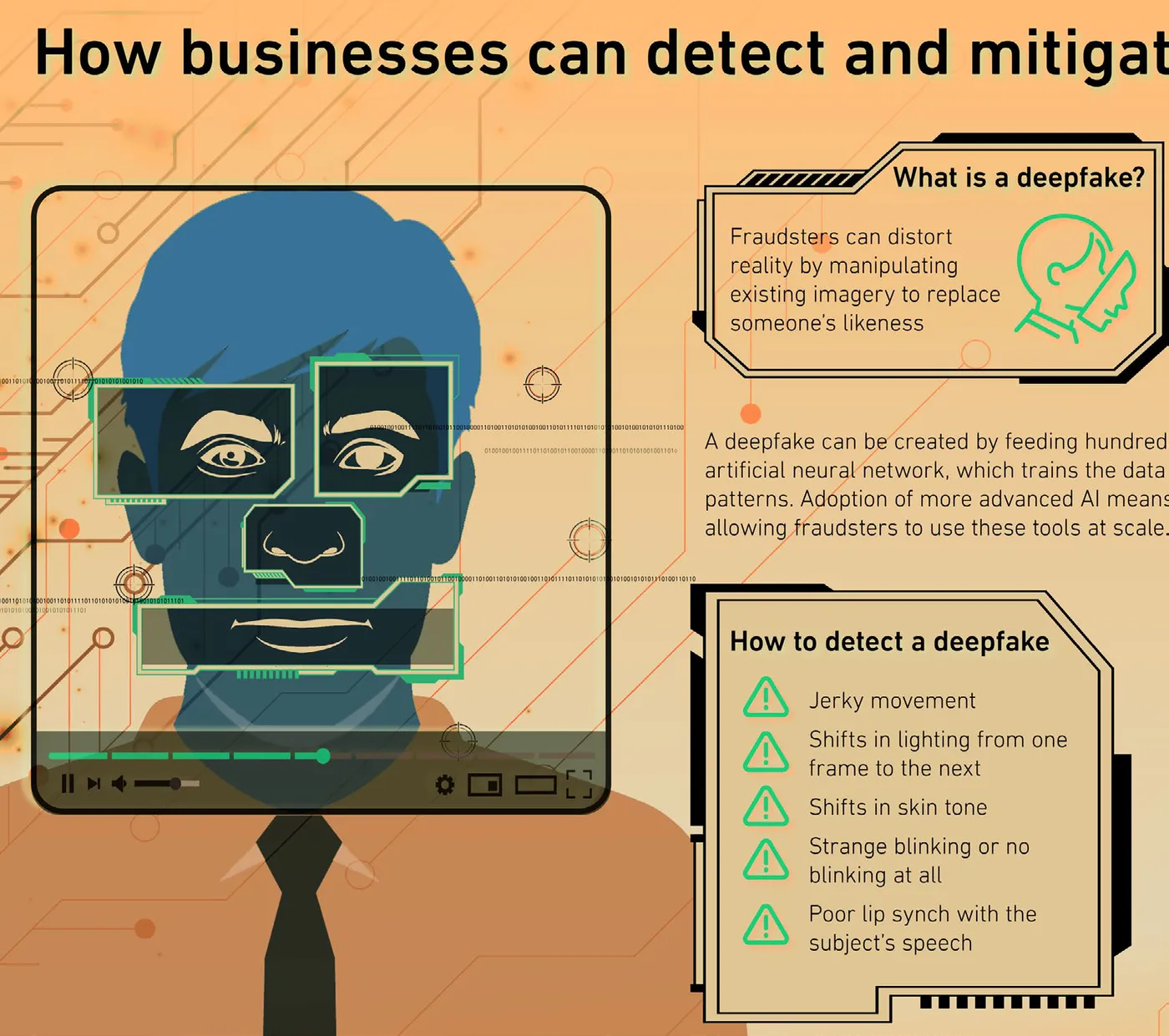
The numbers paint an alarming picture. Deepfake-enabled CEO fraud has increased 83 percent year over year. AI-generated phishing emails now achieve open rates of 72 percent — nearly triple the effectiveness of traditional phishing campaigns. Polymorphic malware, code that rewrites itself using AI to evade detection, now accounts for 22 percent of advanced persistent threat campaigns. And the global cybersecurity talent shortage has reached 4.8 million unfilled positions, with 90 percent of security teams reporting critical skills gaps in AI and cloud security.
Yet the same technology driving these threats is also transforming defense. The AI-powered cybersecurity market reached $46 billion in 2026. Organizations using AI-driven security tools detect breaches 74 days faster than those relying on traditional methods. And 89 percent of Chief Information Security Officers now describe agentic security — autonomous AI systems that detect, analyze, and respond to threats without waiting for human intervention — as their top investment priority.
The cybersecurity landscape of 2026 is not simply more dangerous. It is fundamentally different. And the organizations that fail to understand this distinction are the ones most likely to become victims.
The new threat landscape: AI as an offensive weapon
For decades, cyberattacks required technical expertise. Writing malware demanded programming knowledge. Crafting effective phishing emails required linguistic skill. Penetrating enterprise networks took time, patience, and specialized tools. Generative AI has democratized all of these capabilities. Today, a threat actor with minimal technical background can use freely available AI models to generate convincing phishing content, write functional exploit code, and automate reconnaissance at a scale that was previously impossible. The most immediate and visible impact has been in social engineering. AI-generated phishing emails are no longer riddled with grammatical errors and generic templates.