The Handelot Times
Deep fake: impact, algorithm, and how to spot them
Impact, Algorithm, and How to Spot Them Recent research involved over a thousand American adults who watched several videos and were tasked with determining whether each was authentic or completely generated by artificial intelligence (AI).
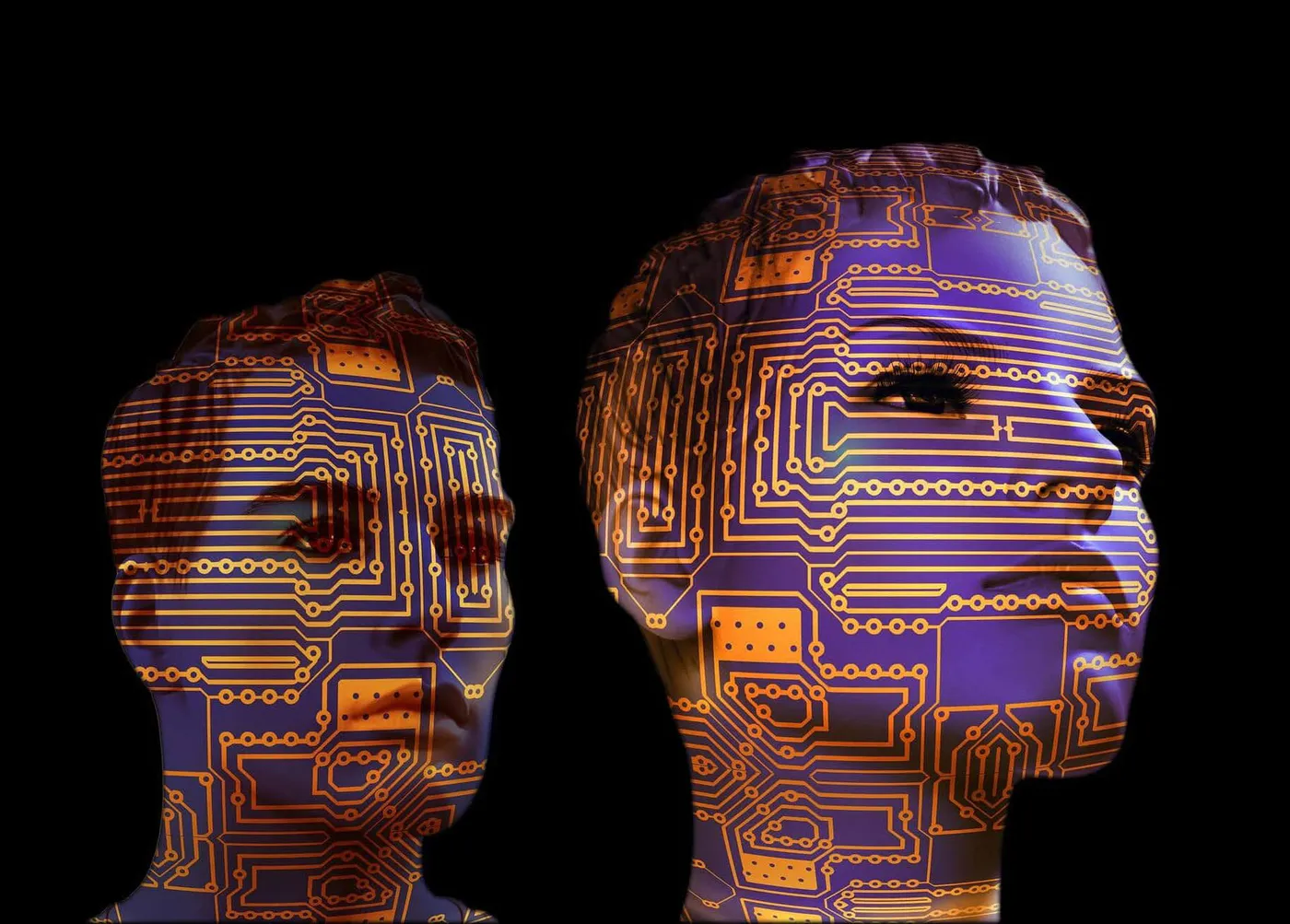
Technological advancements in recent years have enabled the comprehensive creation of images, texts, audio, and videos that seem to originate from humans yet are actually generated by machines. Our society is already at a significant disadvantage in terms of media literacy, with many teenagers unable to distinguish between facts and opinions in the texts they read and nearly half of Canadians struggling with basic literacy. This situation is poised to create a major issue.
Even if the forgeries are not perfect, their existence alone can create an atmosphere of doubt. Did a snippet of audio or a smartphone photo make you look unfavorable? It’s obviously fabricated!
Explaining the inner workings of these AI systems is only partially feasible, as even specialists don’t fully grasp what transpires within these “black boxes. ” However, it’s clear that platforms like ChatGPT and DALL-E are capable of performing tasks traditionally requiring human cognition, including forms of learning. These AIs can be trained by humans through various methods, such as feeding them extensive datasets, and their learning can be reinforced using rewards and penalties to achieve a desired outcome. Accessible free and subscription-based services now allow users to interact with AI or request the generation of multimedia content based on written prompts, and these systems are rapidly improving to meet quality expectations. In the near future, we will all need to adopt a detective’s approach when assessing dubious online content. There are indicators that hint at AI involvement—signs we must learn to identify—even if this guidance may become outdated as technology evolves.
Understanding deepfake algorithms
Deepfake technology leverages machine learning (ML) and artificial intelligence (AI) to alter and create deceptive media from original materials. This involves the use of artificial neural networks to produce fake yet lifelike images and videos.