The Handelot Times
Deepfakes
Ever since the World Wide Web became an indispensable tool for business, identity protection has been of utmost importance.
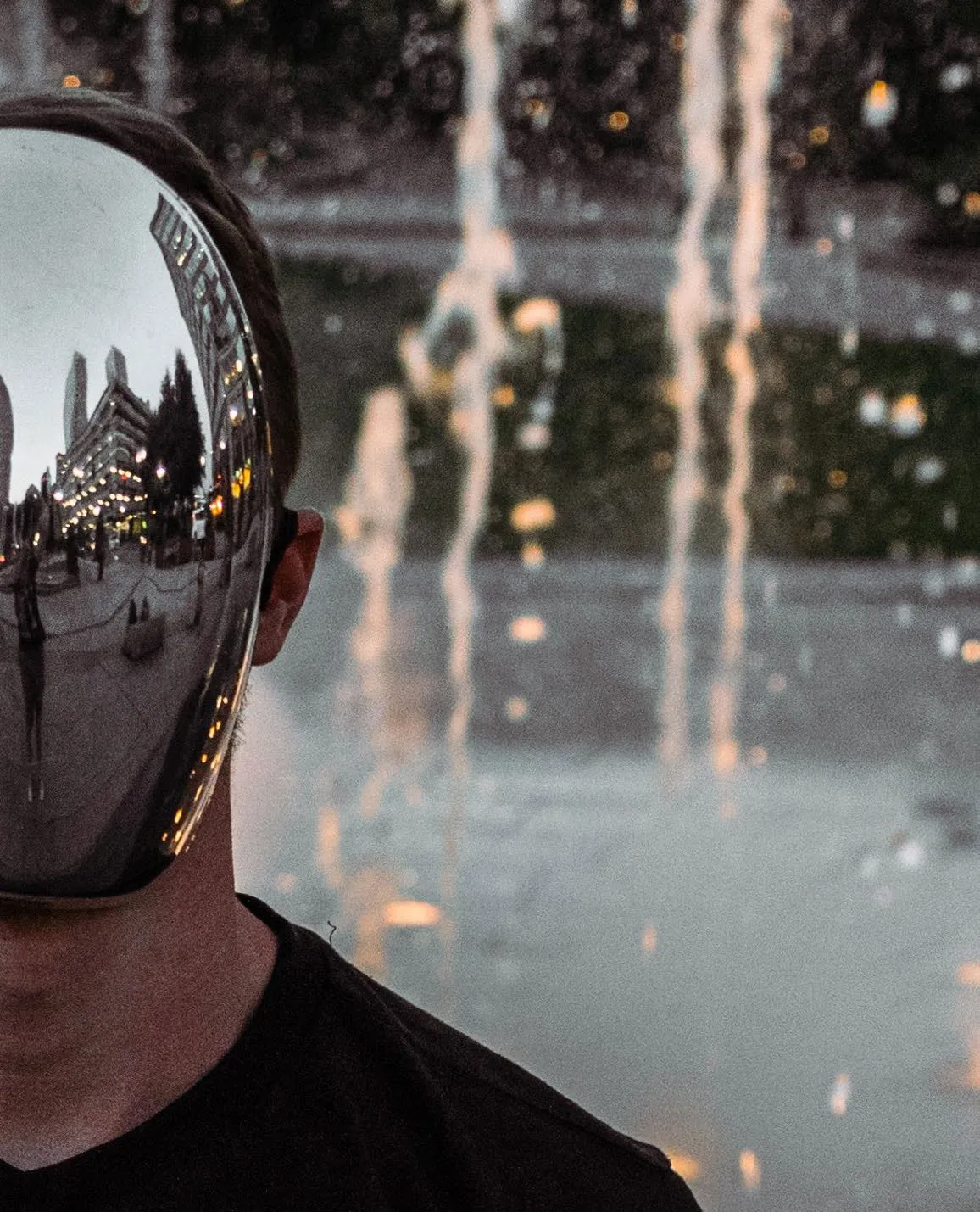
Ever since the World Wide Web became an indispensable tool for business, identity protection has been of utmost importance. Untold time and money has been poured into encryption technologies to keep data, secrets, and corporate strategy safe from prying eyes. Online security isn’t watertight, but at least business owners have a solid foundation for their security strategies.
We can’t hide everything, though. In an effort to give their clients the personal touch, companies the world over put the faces of their workers out on the web in promotional images and videos, creating content that presents an accessible face. In reality, this is no different than what many of us social media users do regularly as we do much the same thing: posting the right visual content at the right time to project whatever image we want to the world.
This being the 21st century, the simple act of sharing photos and videos of ourselves is risky to our reputations because of how they can be manipulated, distorted, and used for nefarious means. Artificial intelligence technology, wondrous and helpful as it may be, can also be dangerous in the wrong hands. AI is the driving force behind the phenomenon of “deepfakes”, or the painstakingly precise stitching together of images to create a new, realistic image that is indistinguishable from reality.
Deepfakes typically refer to the synthesis of human images - one person’s face on another’s body, for instance - that falsifies the identity of a target to seemingly prove them engaging in conduct unbecoming of their personas. For instance, fake videos of Scarlett Johansson in amateur pornography have popped up online. Worse still, they have already been used for political ends, as in Belgium a seemingly authentic video of Donald Trump daring the country to pull out of the Paris climate change accords upset viewers there.