The Handelot Times
How the 2025 presidential election could shape the future of AI in america and worldwide
Could Shape the Future of AI in America and Worldwide As the countdown to the 2025 U. S. presidential election intensifies, the world stands at a crucial technological juncture.
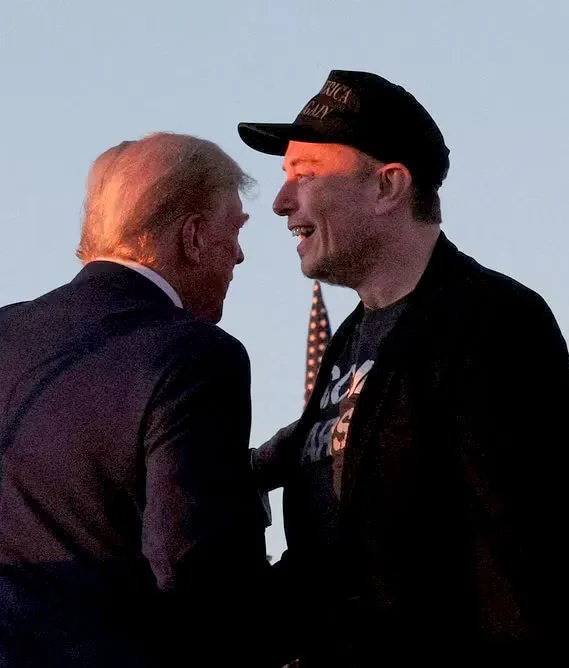
The outcome will not only determine the nation’s leadership but could also set the tone for how the U. S. engages with the growing artificial intelligence (AI) revolution. In a pivotal moment for technological and global supremacy, voters are faced with a choice that will deeply influence the trajectory of AI’s integration into society, government, and business. AI, which has already altered the way industries operate and how nations approach competition, is now seen as one of the most profound technological shifts in history.
With this in mind, the strategies the candidates endorse could determine how America approaches AI development and regulation, with far-reaching implications for global innovation. This election will likely have far-reaching consequences beyond American borders, as global economies and tech industries closely monitor how the next administration will respond to AI’s rise. The debate over AI governance and ethical considerations is set to be one of the defining issues, as each candidate presents their own vision for managing this transformative force. From how AI will affect the economy and job market to its potential risks, the stakes have never been higher.
A tale of two tech philosophies
As the 2025 presidential election draws near, the political divide over AI governance has become a focal point of the debate. On one side, Kamala Harris advocates for what she describes as “responsible innovation,” emphasizing a balanced approach that prioritizes ethical standards, international cooperation, and user privacy. This approach is a continuation of the Biden administration’s efforts to guide AI development responsibly, with an emphasis on transparency, safety, and global collaboration. Harris has echoed the Biden administration’s stance on AI, focusing on establishing frameworks for regulation that allow for growth while mitigating risks. As the U.S. navigates the increasing influence of AI on the economy, she proposes a system that encourages innovation but ensures that ethical considerations remain central to technological advancement.
In contrast, Donald Trump’s vision for AI regulation represents a stark departure from this approach. His platform advocates for deregulation, claiming that less government oversight will foster faster technological progress and preserve America’s competitive edge in the global AI race. Trump’s stance resonates with a broader free-market philosophy, arguing that excessive regulation could stifle innovation and prevent the U.S. from staying ahead of other nations, particularly China. This conflict in perspectives highlights the tension between promoting innovation and ensuring that emerging technologies like AI are developed responsibly and safely.