The Handelot Times
Invisible AI: why businesses that delay adoption are already behind the quiet shift that redefined competition
Why Businesses That Delay Adoption Are Already Behind The Quiet Shift That Redefined Competition There was a time when artificial intelligence was announced. Today, it is assumed.

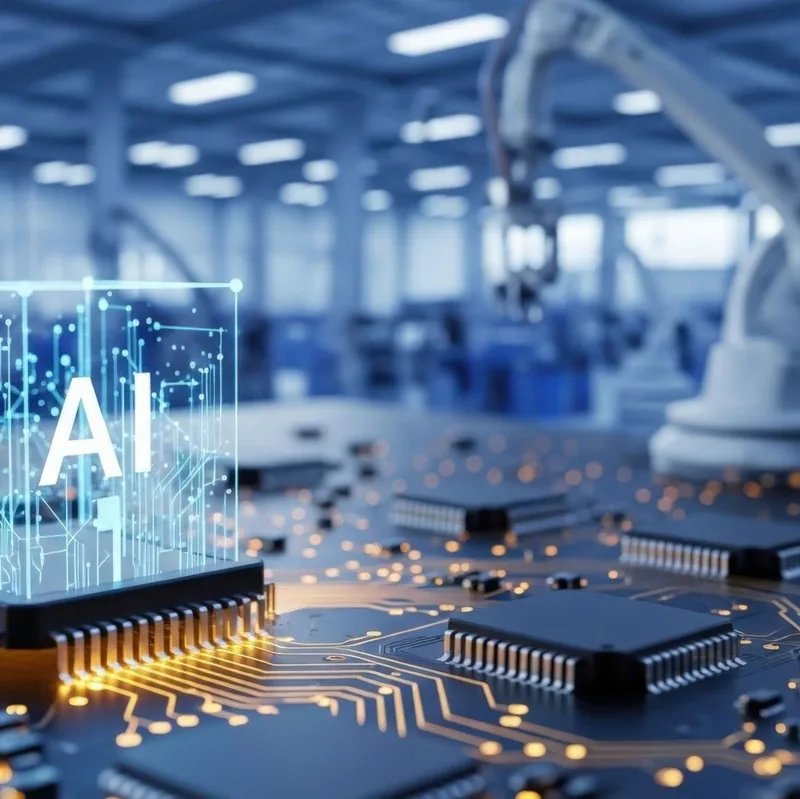
Artificial intelligence no longer appears as a bold feature on the front page of corporate strategy decks. It does not sit in a dedicated innovation lab waiting for a pilot project. It is woven into supply chains, marketing platforms, fraud detection systems, logistics routing engines, recommendation algorithms, pricing optimization software, and mobile dashboards. It lives inside everyday workflows. This invisibility is precisely what makes it powerful. In a machine-led economy, competitive advantage is no longer built on whether a company “uses AI.” It is built on how deeply AI is embedded into its operating model. The firms that delay adoption are not necessarily making dramatic mistakes. They are making quiet ones. And quiet disadvantages compound.
The difference rarely shows in headlines. It shows in margins, in customer retention, in response speed, in operational elasticity. And by the time it becomes visible, it is often too late.
In this article, then, we will explore how artificial intelligence has shifted from innovation to infrastructure, quietly embedding itself into everyday business operations. We will examine why delayed adoption creates structural disadvantages, how invisible AI reshapes speed and cost models, and what leaders must do to integrate machine intelligence without losing clarity or control.
From innovation layer to operating infrastructure
The first misconception about AI in business is that it remains an innovation layer. Something experimental. Something optional. That era is over. AI, in fact, has transitioned from enhancement to infrastructure. Much like cloud computing did a decade ago, artificial intelligence has shifted from being a differentiator to being a baseline expectation.