The Handelot Times
The Anthropic effect: how Claude is challenging ChatGPT’s dominance
How Claude Is Challenging ChatGPT’s Dominance For two years, the artificial intelligence industry had a simple narrative: OpenAI led, and everyone else followed. ChatGPT was not just a product. It was a category.
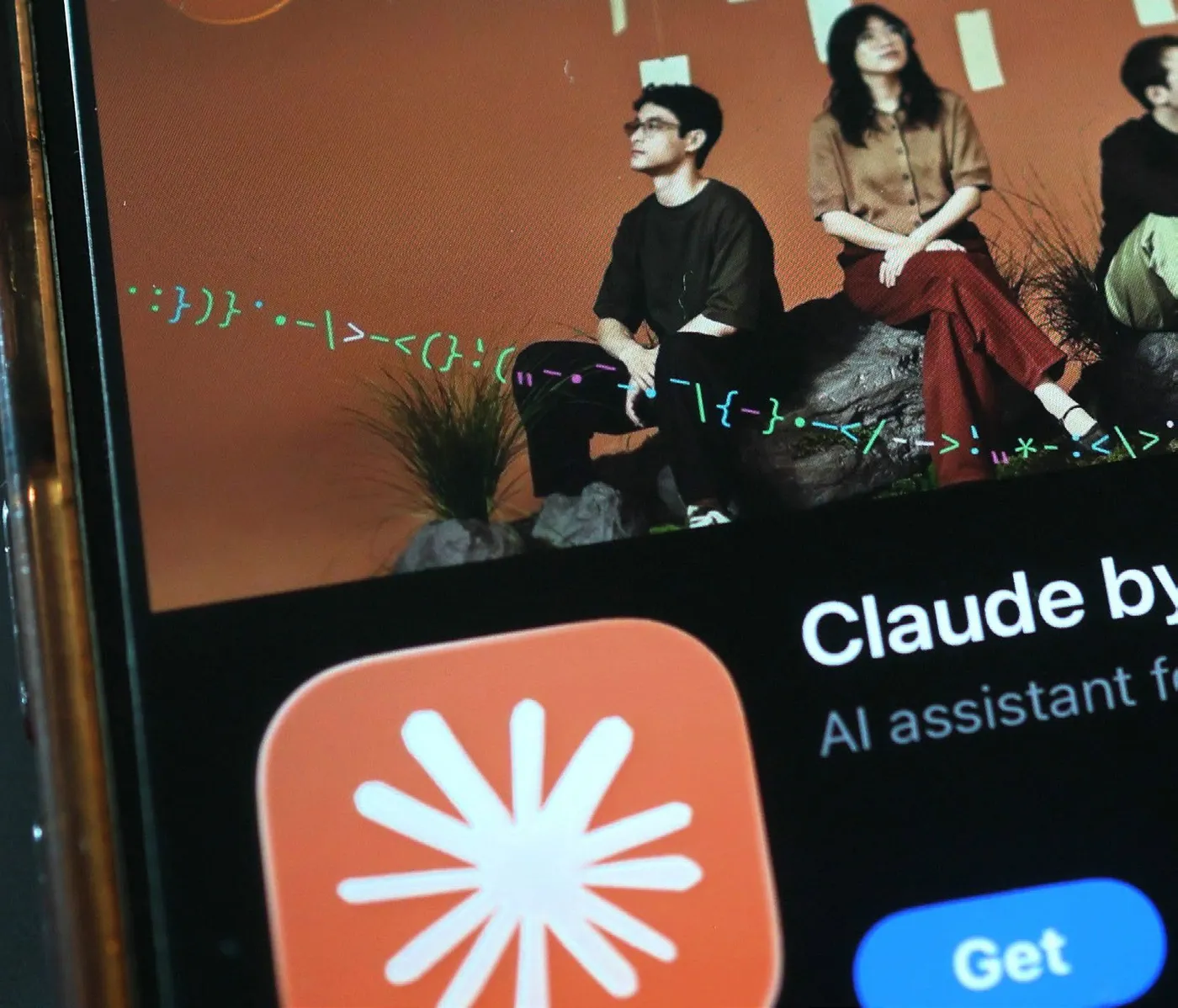
That narrative is breaking apart. By early 2026, a quieter company with a different philosophy has emerged as the most serious challenger to OpenAI’s position — and in the enterprise market, it may have already overtaken it. Anthropic, the San Francisco-based AI safety company founded by former OpenAI researchers, has turned its flagship model Claude into the preferred AI platform for businesses that care about reliability, compliance, and trust.
The numbers tell a story that would have seemed implausible eighteen months ago. Anthropic now captures 40 percent of enterprise LLM spending, up from 24 percent, according to Menlo Ventures. OpenAI’s share has fallen to 27 percent, down from 50. In head-to-head enterprise deals, Anthropic wins approximately 70 percent of the time. Eight of the Fortune 10 are Claude customers. And the company’s annualized revenue hit $30 billion in March 2026, up roughly 1,400 percent year over year. How did a company built around the seemingly unmarketable concept of “AI safety” become the enterprise market leader? The answer reveals something important about what businesses actually value in an AI partner.
ChatGPT’s stumble: when consumer dominance doesn’t translate
OpenAI remains the dominant consumer brand in AI. ChatGPT has 800 million weekly active users. Its name recognition is unmatched. But beneath the surface, cracks have been widening throughout 2025 and into 2026. ChatGPT’s app market share fell from 87.2 percent to 68 percent over the past year, the largest single-year decline since its launch. Google’s Gemini climbed to 25.2 percent. Grok reached 15.2 percent from just 1.6 percent a year earlier. In the consumer chatbot race, the field is compressing rapidly.
More troubling for OpenAI is the enterprise picture. Only about 5 percent of ChatGPT’s massive user base maintains paid subscriptions, and paid subscription growth has plateaued across major European markets since mid-2025 with no recovery trajectory. The company is projected to lose $14 billion in 2026 despite its enormous revenue, reflecting the staggering infrastructure costs of running AI at consumer scale.