 The Handelot Times
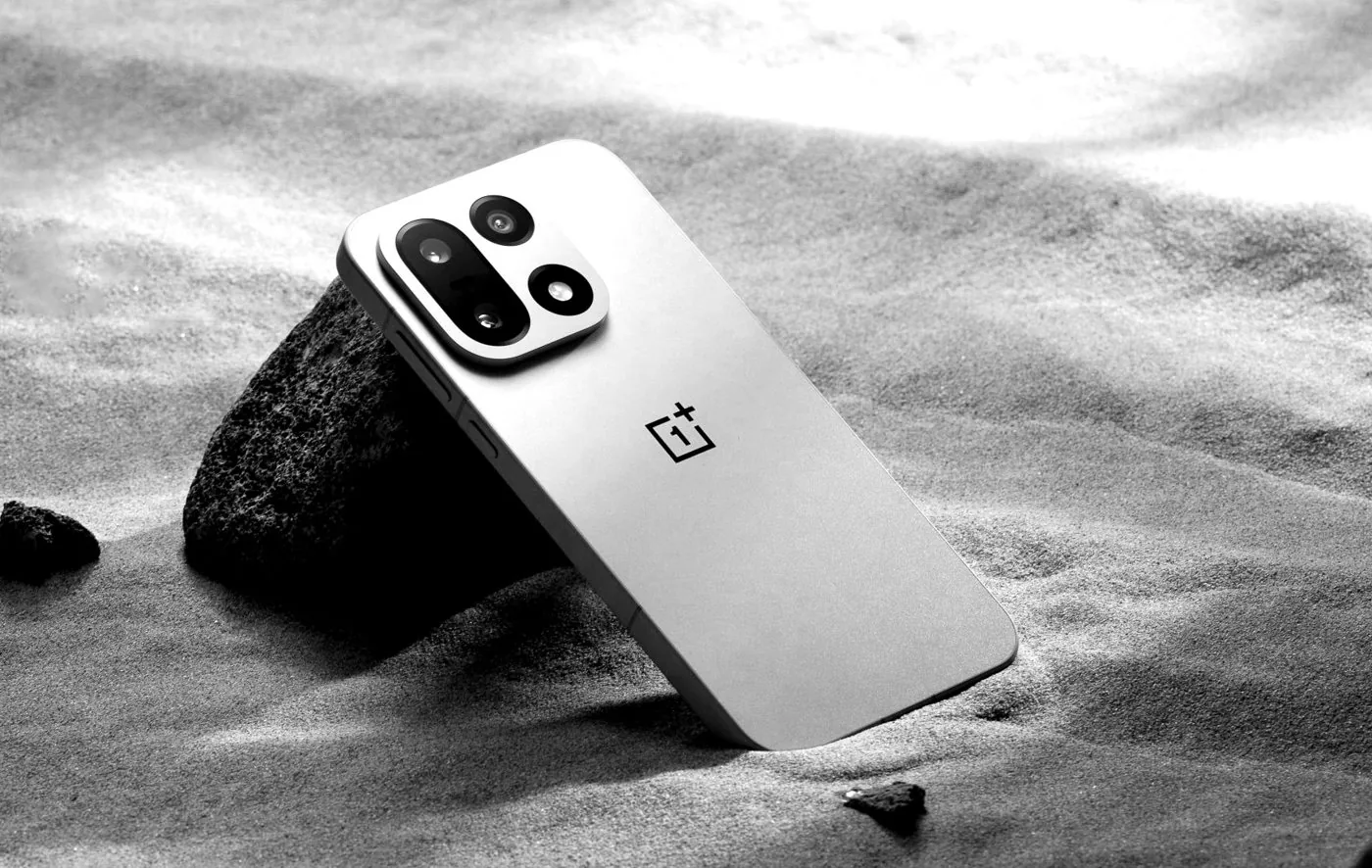
The flagship killer is dead: inside OnePlus’s retreat and what’s left of it
In one week of July 2026, OnePlus confirmed it will stop launching phones in North America and Europe, announced it is retiring OxygenOS worldwide, and scheduled the shutdown of its own US community forum.
August 16, 2026.
The phrase was “flagship killer,” and for a few years it was accurate. A OnePlus phone in 2015 gave you the same processor as a Galaxy S6 for roughly half the money, running software that Android enthusiasts genuinely preferred to Samsung’s. You had to be invited to buy one. People wanted invitations.
By the second quarter of 2026, OnePlus held under 1% of US smartphone shipments. On July 16, the company confirmed it would stop launching new products in North America and Europe entirely.
What makes this worth examining is not that a phone brand failed — many have. It is that OnePlus did not really fail in the conventional sense. It was absorbed, gradually and then suddenly, by the parent company that saved it. And the way it ended raises a question that will apply to a lot of hardware brands over the next few years: what exactly do you own when the company that made your phone stops existing as a distinct thing?
More in Phones
 Phones
The AI tax on your next phone: how memory costs are reshaping smartphone pricing
 Phones
The satellite phone isn’t coming: it’s already in your pocket, so why doesn’t it feel that way?
 Phones
Two autumns a year: inside Apple’s break with the September ritual
 Phones
Smartphone mid-year report: the launches, the chips and the AI inside