 The Handelot Times
The satellite phone isn’t coming: it’s already in your pocket, so why doesn’t it feel that way?
Roughly 60 phone models can now reach a satellite without any accessory.
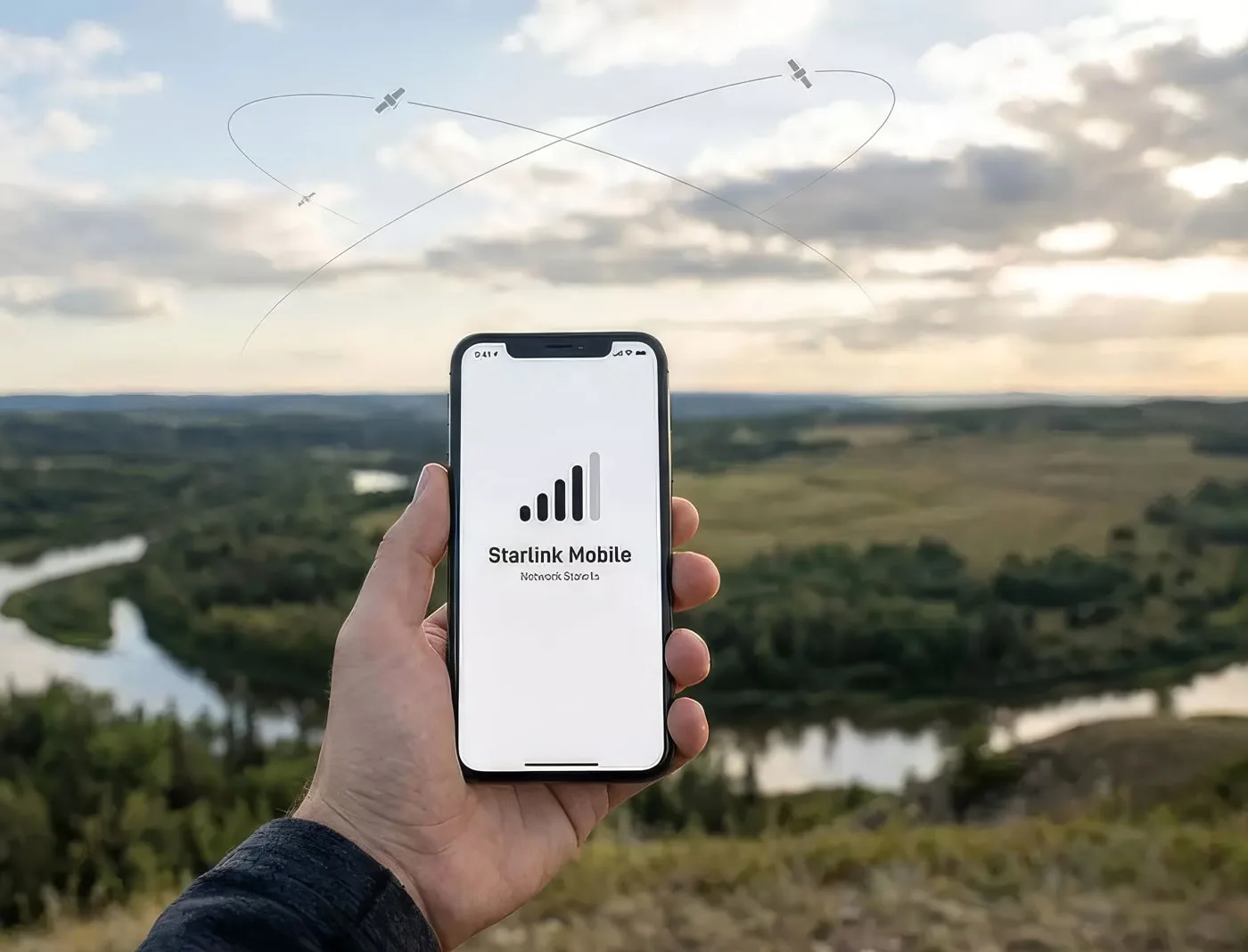
For thirty years the satellite phone was a specific object: a brick with a thick antenna, sold to journalists, oil crews, and expedition teams, priced beyond ordinary reach and useless in a city.
That object has quietly ceased to matter. The satellite phone is not a product category any more. It is a capability that has been folded into ordinary handsets while nobody was paying attention — no accessory, no separate SIM, no different device. If you bought a flagship phone in the last two or three years, you probably own it. The interesting question in mid-2026 is not whether this is coming. It has arrived. The question is why a technology that genuinely works still feels invisible to the people carrying it, and what the gap between “it exists” and “it’s useful” actually consists of.
Where things actually stand
Three distinct systems now put satellite connectivity into normal phones, and they work differently enough that conflating them causes most of the public confusion.
1.
More in Phones
 Phones
The AI tax on your next phone: how memory costs are reshaping smartphone pricing
 Phones
Two autumns a year: inside Apple’s break with the September ritual
 Phones
The flagship killer is dead: inside OnePlus’s retreat and what’s left of it
 Phones
Smartphone mid-year report: the launches, the chips and the AI inside