The Handelot Times
The great reshuffling
How Tariffs, AI, and Regulation Are Redrawing the Global Tech Map For decades, the global technology industry operated under a set of assumptions that felt almost permanent. Supply chains stretched across continents with predictable efficiency.
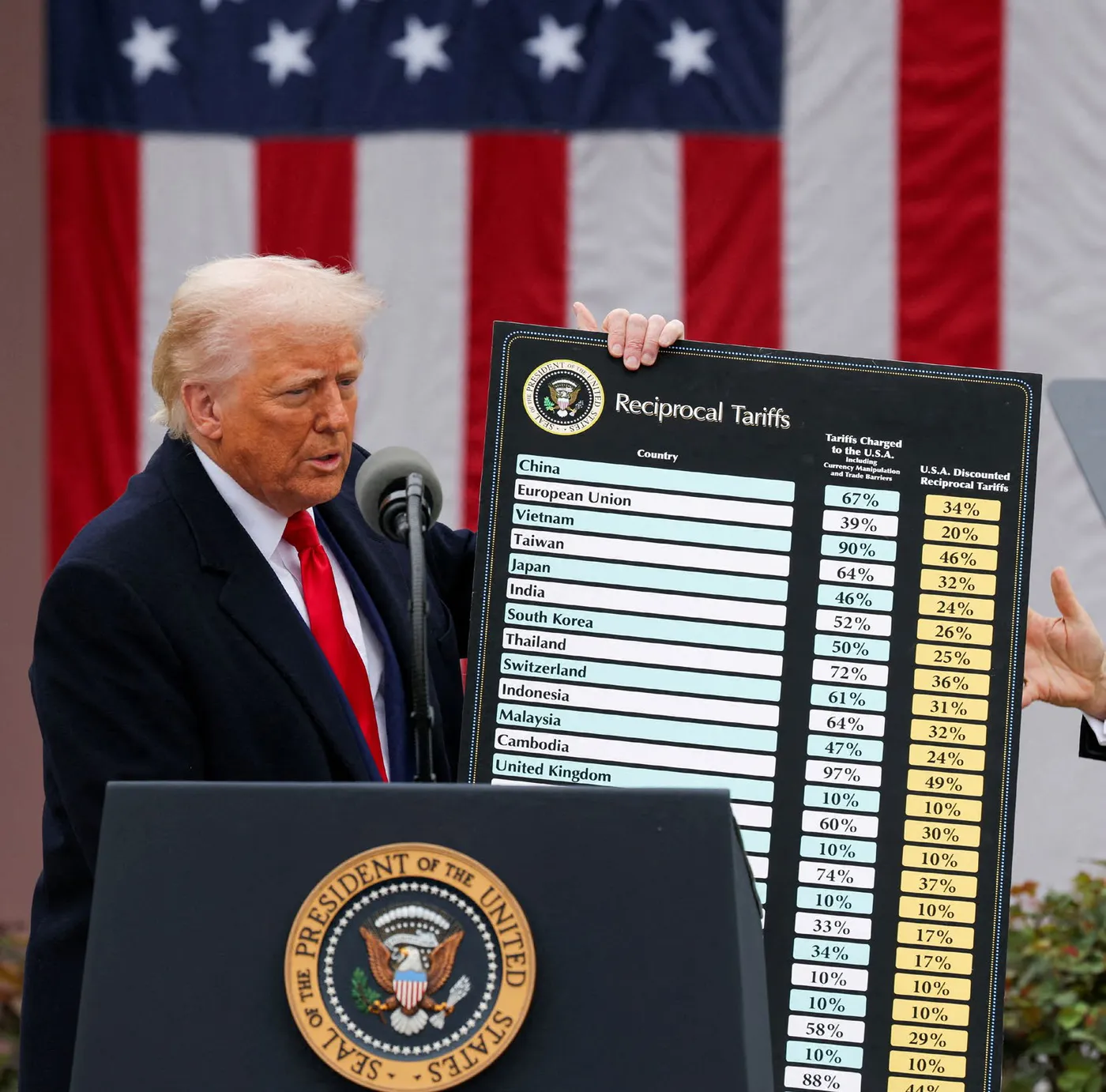
That system is now fracturing under simultaneous pressure from three directions. First, a seismic shift in trade policy: the United States Supreme Court struck down IEEPA-based tariffs in February 2026, only for the White House to impose replacement levies under Section 122 of the Trade Act of 1974, creating a 10 percent global surcharge on imports with a 150-day expiration clock. Second, the European Union’s AI Act reaches its most consequential enforcement milestone in August 2026, when full compliance obligations for high-risk AI systems take effect, carrying fines of up to €35 million or 7 percent of global annual turnover. Third, enterprise AI adoption has crossed an inflection point: Gartner predicts that 40 percent of enterprise applications will feature task-specific AI agents by the end of 2026, up from less than 5 percent just a year earlier.
Each of these forces alone would be enough to reshape corporate strategy. Together, they are triggering what can only be described as a great reshuffling — a simultaneous reconfiguration of where technology is built, how it is governed, and what intelligence it carries. The rules of engagement are being rewritten in real time, and the companies that understand the interconnected nature of these shifts will be the ones best positioned to navigate them. In this article, we will examine how tariff disruption, regulatory acceleration, and the rise of agentic AI are converging to redraw the global tech map. We will explore why treating these as isolated trends is a strategic mistake, and what businesses can do to turn structural turbulence into competitive positioning.
The tariff shock: from IEEPA to Section 122
The Supreme Court’s decision in Learning Resources, Inc. v. Trump landed on February 20, 2026, with a 6-3 majority ruling that the International Emergency Economic Powers Act does not authorize the President to impose tariffs. The majority opinion drew a clear constitutional line: the power to regulate importation is distinct from the power to tax, and the latter belongs exclusively to Congress.
The ruling eliminated the legal basis for the sweeping reciprocal tariffs that had been imposed under IEEPA — tariffs that had reached as high as 145 percent on Chinese goods and applied broadly across dozens of trading partners. But relief was short-lived. Within hours, the White House pivoted to Section 122 of the Trade Act of 1974, imposing a uniform 10 percent surcharge on imports from all countries, effective February 24. Unlike IEEPA, Section 122 is explicitly limited: a maximum rate of 15 percent and a hard duration cap of 150 days unless Congress votes to extend it.