The Handelot Times
The limits of hardware-accelerated computing: power, heat, and cost
of Hardware-Accelerated Computing: Power, Heat, and Cost For more than a decade, tech innovation has lived and died by the spec sheet. Every year brought a new arms race: thinner laptops, faster GPUs, more megapixels, higher refresh rates.
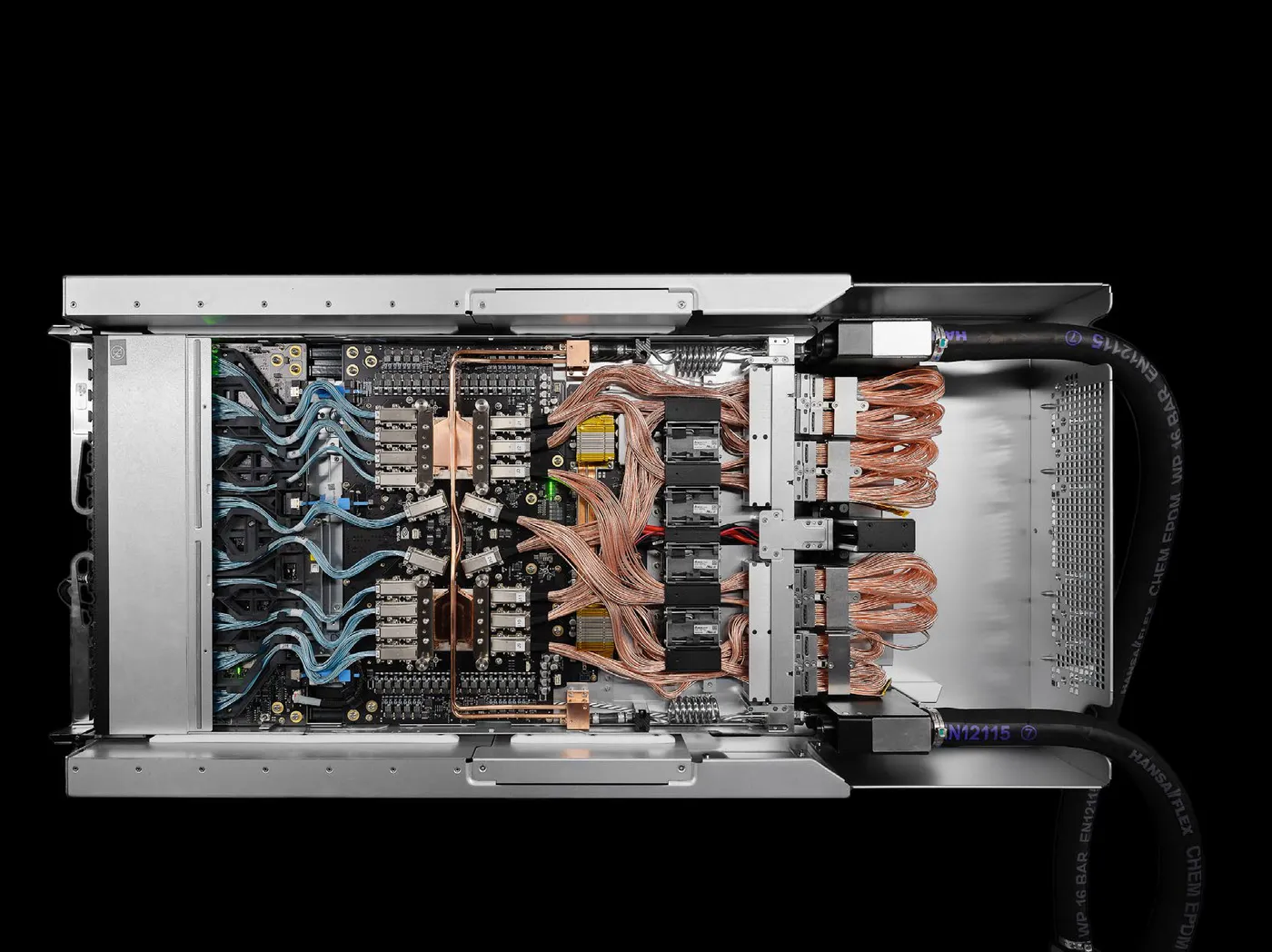
Power consumption, heat generation, and soaring production costs are beginning to undermine the economic and ecological logic that made hardware acceleration so attractive in the first place. What once looked like limitless progress is now colliding with the boundaries of physics, energy, and capital.
So, in this feature, we explore the eight key dimensions shaping the future of hardware-accelerated computing — from power and heat to cost, sustainability, and the emerging role of intelligent software.
1. The power problem: performance that burns
Let’s start with electricity. Every form of acceleration— from GPUs to AI chips—demands power, and a lot of it. The training of a single large-scale language model can draw megawatts of continuous power, equivalent to running a small town. As AI workloads multiply, so do the carbon footprints.
In 2024, global data-center power usage surpassed 4% of total electricity demand, and AI is expected to double that by 2030. What’s worse, the power-to-performance curve is flattening: doubling the hardware no longer doubles the output.