The Handelot Times
Vasu the Wise: synthetic workers and the new rules of business in a machine-led world
of Business in a Machine-Led Economy Walk the halls of any boardroom today and you will hear familiar words: productivity, disruption, skills, efficiency. Yet what is taking shape now sits deeper than another tech wave.
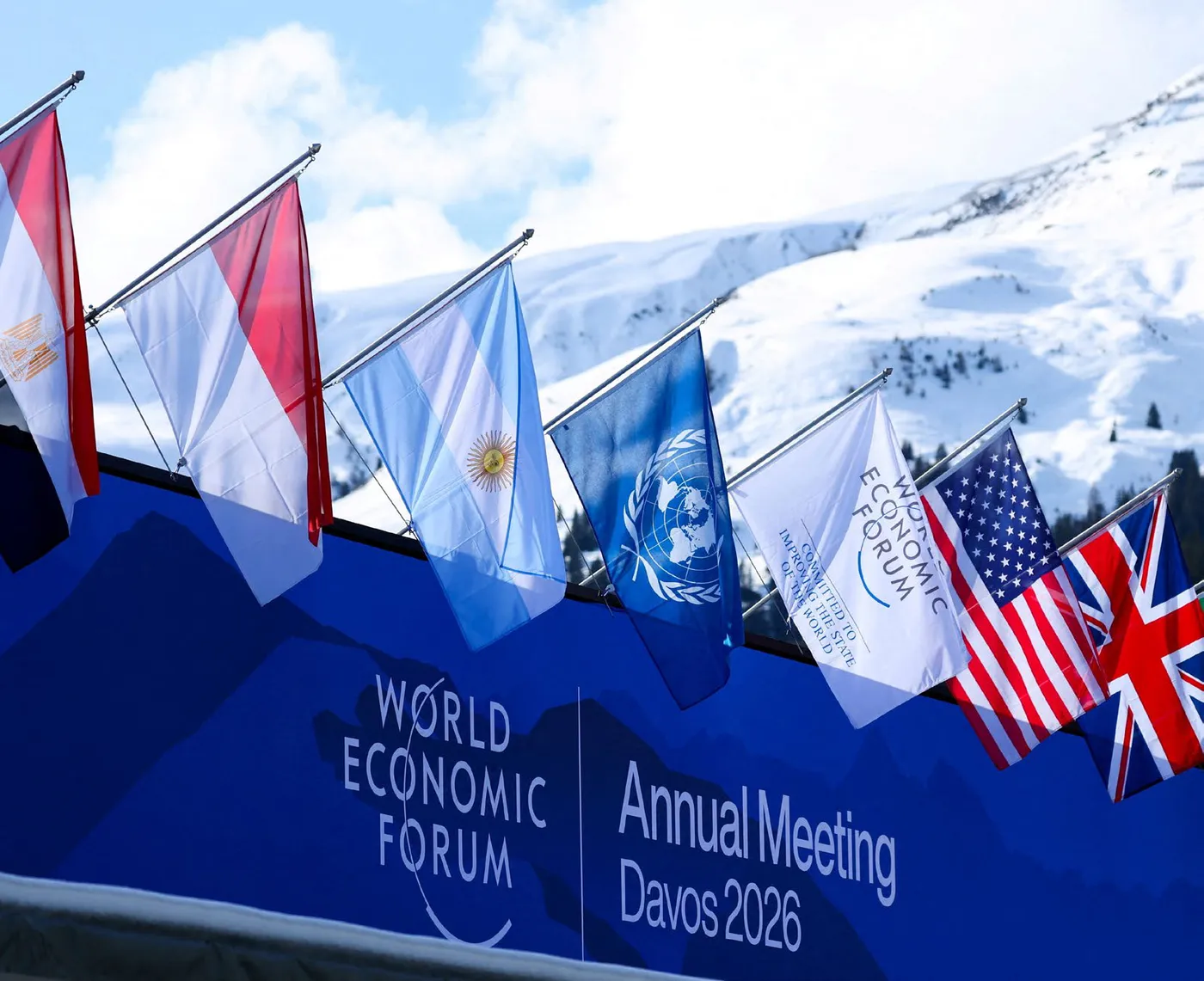
At Davos 2026, one message kept surfacing across sessions and interviews: the legitimacy of AI depends on tangible outcomes in industries, communities, and public services, rather than excitement inside tech circles. Satya Nadella framed it as the need to “do something useful” that changes real-world outcomes. Another signal came from Accenture’s Julie Sweet, who pushed for “human in the lead,” a phrasing that carries an operational implication: leadership cannot delegate accountability to systems teams and call it transformation.
That is the hinge-point for business leaders.
A machine-led economy rewards firms that treat AI as an operating model decision, owned by business, governed like a workforce, and measured like a service. The sharpest embodiment of that shift is the synthetic worker.
The moment the ORG chart started changing
Automation has lived in enterprises for decades. It lived as rules, scripts, macros, and bots. Generative AI arrived and turned language into a production interface. Teams began drafting faster, summarising faster, analysing faster. Now a third step is arriving: agentic work. Work that includes planning and doing. Work that spans multiple systems and unfolds over multiple steps. Work that is traceable end-to-end.