 The Handelot Times
AR and VR: the future is now
Mobile phones are indispensable tools of our everyday lives, it goes without saying. As much as we “live” in them, however, it’s not an immersive experience.
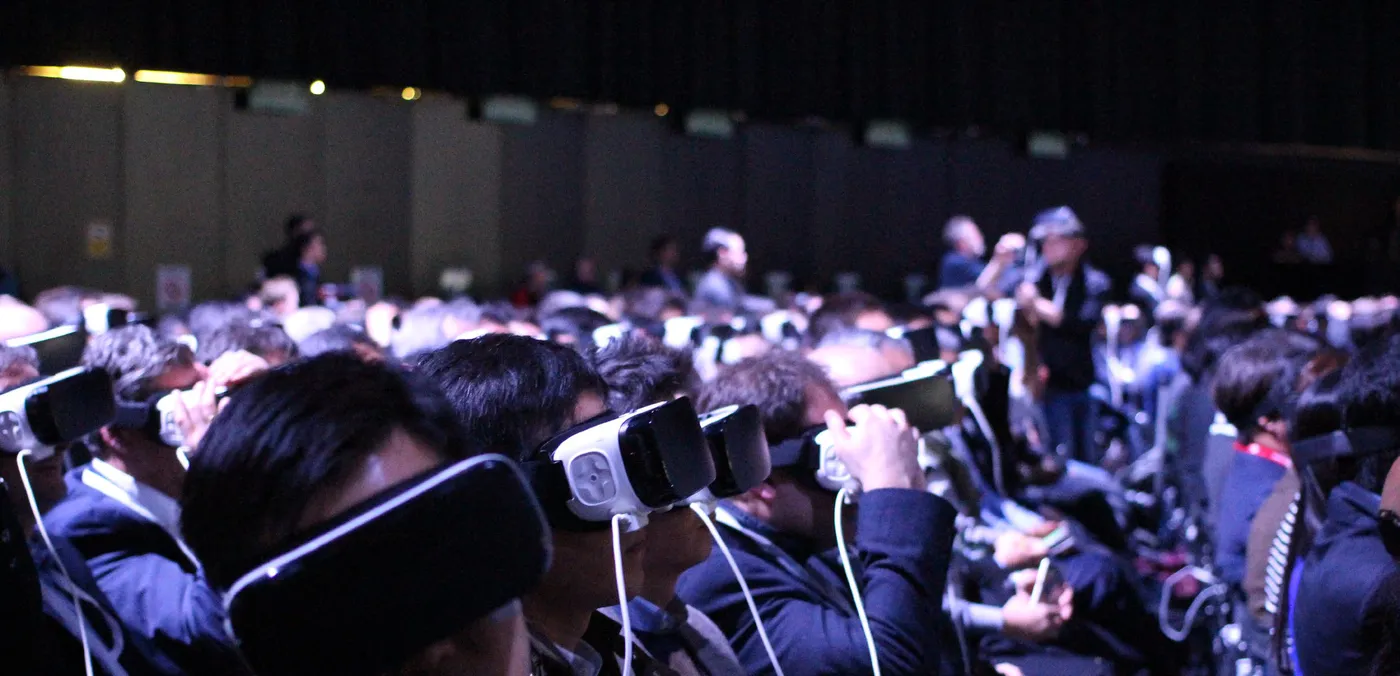
Mobile phones are indispensable tools of our everyday lives, it goes without saying. As much as we “live” in them, however, it’s not an immersive experience. Granted, our phones don’t need to be an experience, but a new market has opened up that desires a liveable virtual environment for a multitude of situations. That’s where augmented reality (AR) and virtual reality (VR) come in. These technologies seek to replace interaction with elements on a two-dimensional screen with the ability to interact with them in a physical space. Instead of using a game controller to move your character in a first-person shooter, imagine being the shooter in a programmed world. Or, in navigating unfamiliar real-world environments, having virtual aids and cues coexisting with natural objects. The moment for these technologies has arrived, and we are beginning to see how they will be not just tools, but indispensable fixtures of how we interact with the world we live in.
A primer
Augmented reality (AR) is a technology that endeavors to map virtual features onto indoor and outdoor environments alike. In using AR, the virtual technology in use does not deter focus from the real world.
AR environments are accessible through all manner of downloadable apps for smartphones and tablet. Apple in particular went big in its employment of AR through last fall’s iOS 11 update, integrating it into messaging and photography functions. A number of specialized devices have been specially developed for AR, however, most of which take the form of glasses. So far, the most well-known of these has been the Google Glass, which is essentially a wearable smartphone that a number of professions use to enhance their on-the-job knowledge, including doctors, surgeons and property developers. Some firms, like GPS kingpin Garmin, have released specialty AR glasses for cyclists to help them keep up to speed on their immediate environments. For the general populace, Microsoft HoloLens is coming soon. The “development edition” is available, though the USD $3000 pricetag is still too deep for most to take the plunge on a beta version.
Many AR headsets are, in fact, unavailable to the general populace, in development, or have an imminent release date, like the Vuzix Blade or the Magic Leap. However, Dell’s Meta 2 has been available for consumers since early 2018 at half the price of the beta Hololens, though it is for indoor use only. The Epson Moverio Drone Edition is also on sale for the increasingly expanding drone photography market, which makes this one of the smartest shipping investments on the entire scene.
More in Phones
 Phones
The AI tax on your next phone: how memory costs are reshaping smartphone pricing
 Phones
The satellite phone isn’t coming: it’s already in your pocket, so why doesn’t it feel that way?
 Phones
Two autumns a year: inside Apple’s break with the September ritual
 Phones
The flagship killer is dead: inside OnePlus’s retreat and what’s left of it