 The Handelot Times
Are foldable phones a solution to shift customers from used to new smartphones
In recent years, the smartphone market has undergone a significant transformation, with consumers increasingly leaning towards used devices rather than investing in new models. This trend raises a compelling question: can foldable phones play a pivotal role in rekindling interest in new smartphones?
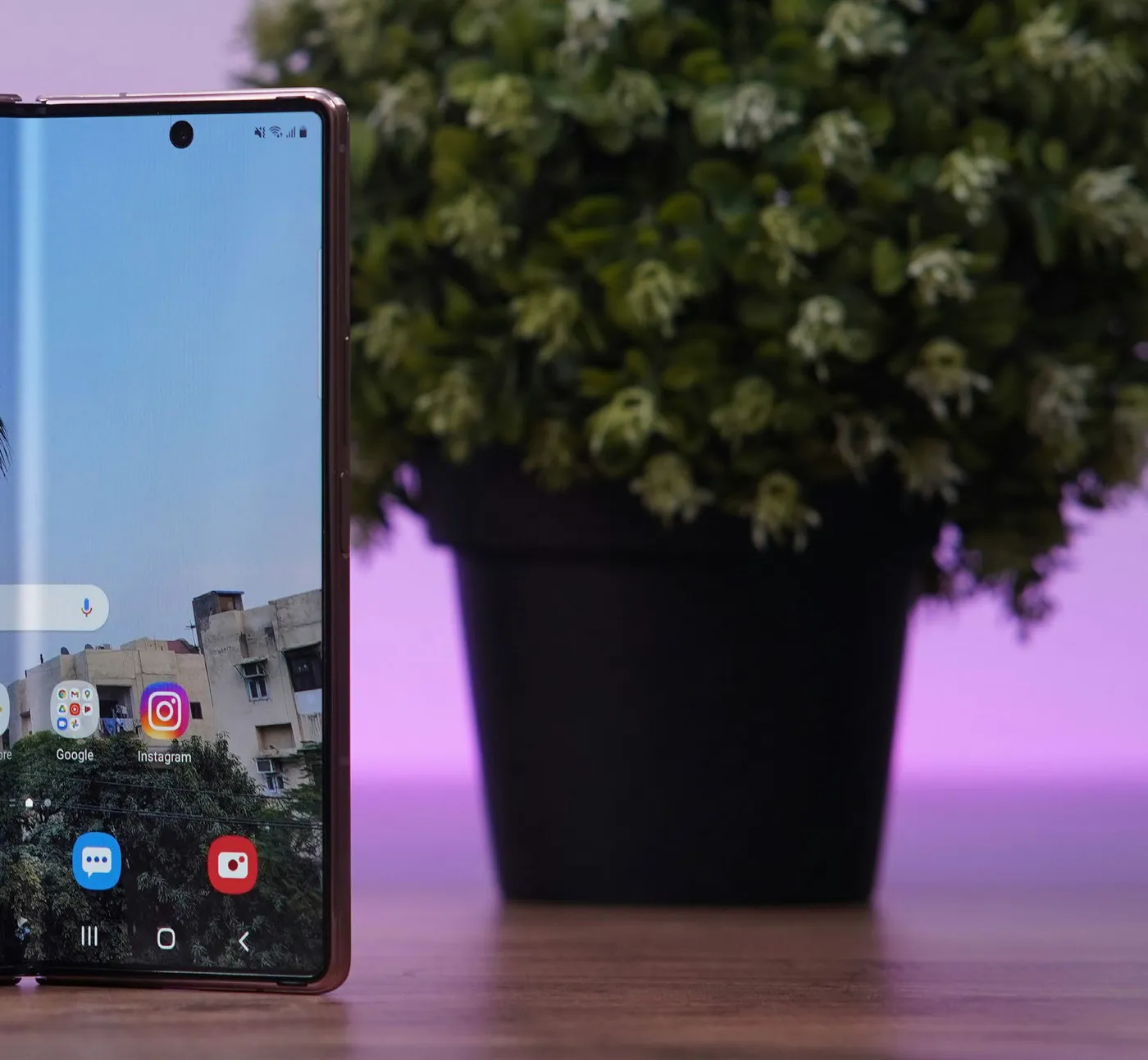
On the surface, the answer may seem to lean towards “no. ” However, as we delve deeper into the current market dynamics, foldable technology emerges as a beacon of potential innovation. With its unique capabilities and design, foldable phones could offer a fresh appeal that might entice consumers back to the new smartphone market. This trend raises a compelling question: can foldable phones play a pivotal role in rekindling interest in new smartphones? On the surface, the answer may seem to lean towards “no. ” However, as we delve deeper into the current market dynamics, foldable technology emerges as a beacon of potential innovation. With its unique capabilities and design, foldable phones could offer a fresh appeal that might entice consumers back to the new smartphone market.
As we analyze the shifting landscape, it’s essential to understand the factors influencing this consumer behavior. A growing emphasis on environmental awareness, coupled with rising prices for new flagship smartphones, has made used devices a more attractive option for many. Additionally, the enhanced quality and longevity of pre-owned devices further contribute to this trend. These dynamics create a challenging environment for manufacturers seeking to maintain interest in their latest offerings.
The current market landscape
According to projections, the market share for new smartphones is expected to decline from 78% in 2024 to 70% by 2028. In contrast, the used device market is projected to grow from 22% to 30% over the same period. This trend reflects a growing consumer preference for used devices, driven by several factors such as environmental awareness, rising prices of new flagship smartphones, and the increasing quality and longevity of pre-owned devices. Consumers are becoming more conscious of their environmental impact, leading to a preference for sustainable choices that often include buying used or refurbished smartphones. Additionally, the high price tags attached to the latest models make used devices an attractive alternative, allowing customers to access premium features without breaking the bank. This shift in consumer behavior also highlights a broader trend towards value-driven purchasing decisions, where functionality and quality take precedence over novelty, pushing manufacturers to reconsider their strategies in a market that is increasingly leaning towards the pre-owned sector.
The appeal of foldable phones
Foldable phones represent a significant technological advancement that sets them apart from traditional smartphones. With their unique designs and multifunctional capabilities, foldables have the potential to capture the attention of tech enthusiasts and average consumers alike. However, for foldable phones to truly shift consumer preferences from used to new, several key innovations and improvements would need to occur:
More in Phones
 Phones
The AI tax on your next phone: how memory costs are reshaping smartphone pricing
 Phones
The satellite phone isn’t coming: it’s already in your pocket, so why doesn’t it feel that way?
 Phones
Two autumns a year: inside Apple’s break with the September ritual
 Phones
The flagship killer is dead: inside OnePlus’s retreat and what’s left of it