 The Handelot Times
Aria Gen 2: what Meta’s new smart glasses might look like
What Meta’s New Smart Glasses Might Look Like While most headlines focus on generative AI chatbots and large language models, Meta is quietly building the hardware that may power AI’s next major leap: ambient, wearable computing.
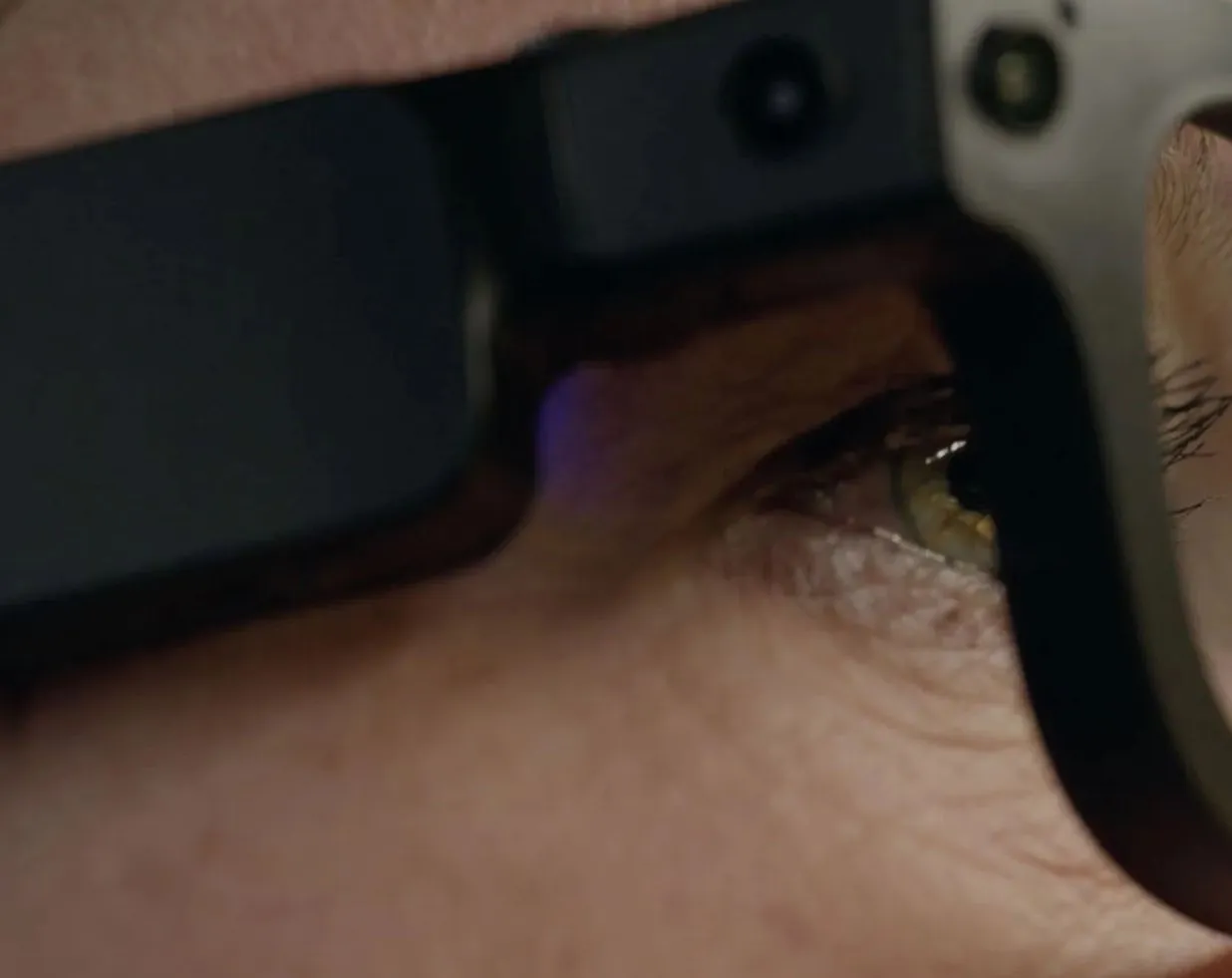
For B2B decision makers across sectors like healthcare, logistics, industrial automation, AR/VR platforms, defense, and accessibility technology, Aria Gen 2 offers an early but serious signal: the transition from screen-based interaction to sensor-rich, real-time wearable compute is accelerating—and the implications are massive.
A dense sensor package in lightweight form
One of the most striking aspects of Aria Gen 2 is how much Meta has managed to fit into an extremely compact, unobtrusive form factor. Weighing around 75 grams—comparable to ordinary prescription glasses— the device integrates a sophisticated sensor suite designed for continuous, highly contextual data capture. Core sensor highlights include:
6 Degrees-of-Freedom (6DoF) SLAM: Real-time spatial positioning that allows the glasses to accurately map and track 3D environments. This enables use cases in navigation, robotics, and collaborative AR.
RGB and depth cameras: High-fidelity visual capture supports scene understanding, object detection, and computer vision research across multiple industries.
More in Phones
 Phones
The AI tax on your next phone: how memory costs are reshaping smartphone pricing
 Phones
The satellite phone isn’t coming: it’s already in your pocket, so why doesn’t it feel that way?
 Phones
Two autumns a year: inside Apple’s break with the September ritual
 Phones
The flagship killer is dead: inside OnePlus’s retreat and what’s left of it