 The Handelot Times
At long last, the new iPhones!
Well, traders, we’re finally here.
At long last...
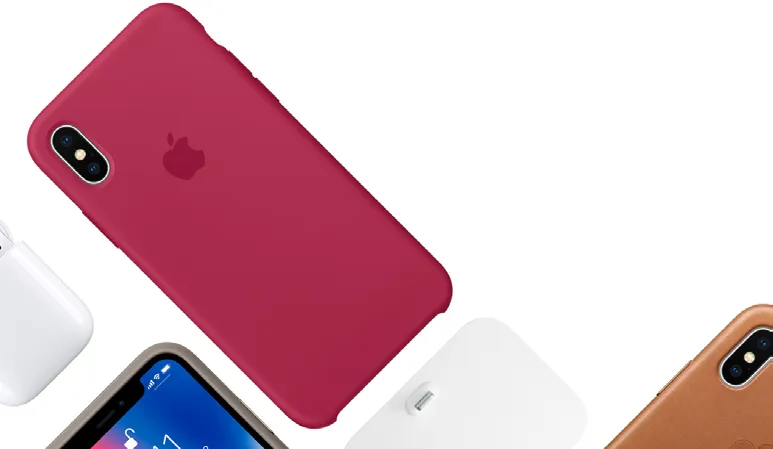
Well, traders, we’re finally here. On 12 September, Apple CEO Tim Cook unveiled to the world three new iPhones – the 8 (in its regular and Plus varieties) and the X (pronounced “ten” to represent the Roman numeral) to commemorate the tenth anniversary of the release of the first iPhone. For their anniversary, Apple seems to have delivered on many of the rumours that have consistently preceded the release of every iPhone for years. All three phones somehow managed to confirm multiple rumors regarding its name (using both Arabic AND Roman numerals!), the all include wireless charging, and the X sports an OLED color screen. The chief difference among them is the iPhone X’s bezelless, buttonless screen, but there is plenty to get excited about when it comes down to the technical specifications and expanded abilities of these new devices.
The goods
Let’s begin with the processor; the new devices feature the all-new A11 processor, which contains a vast speed improvement over the A10 featured in the previous edition. It contains dual high-performance cores, four energy-efficient cores, and the M11 motion coprocessor. The new processor can process graphics 30% faster than the old one.
What does this mean? Well, the power boost is necessary for all of the new features that accompany these landmark devices. First: the Face ID. No Home button on the iPhone X means no TouchID, so Apple looks to facial recognition technologies as their signature security measure. Face ID, through the A11’s so-called “neural engine,” uses the front camera to produce a facial map that will unlock your phone, verify purchases, and every other function that Touch ID was used for. Although the iPhone 8 and 8 Plus still has the Home button, consumers can take advantage of of Face ID on these devices as well.
Apple’s introduction of these technologies also adds an interesting new wrinkle to text messages and other written communication. It enables the Animoji feature, which allows users to take the already popular emoji communication system and add real-life facial contortions of the user to create a jazzy n e w way to express one’s self in instant messages. It’s sure to be popular among adolescents, teenagers, and the college crowd, all of whom heavily use emojis as it is.
More in Phones
 Phones
The AI tax on your next phone: how memory costs are reshaping smartphone pricing
 Phones
The satellite phone isn’t coming: it’s already in your pocket, so why doesn’t it feel that way?
 Phones
Two autumns a year: inside Apple’s break with the September ritual
 Phones
The flagship killer is dead: inside OnePlus’s retreat and what’s left of it