 The Handelot Times
Brendan James: takeaways from the east, August 2019
What more can be said about the dire situation in the global smartphone market?
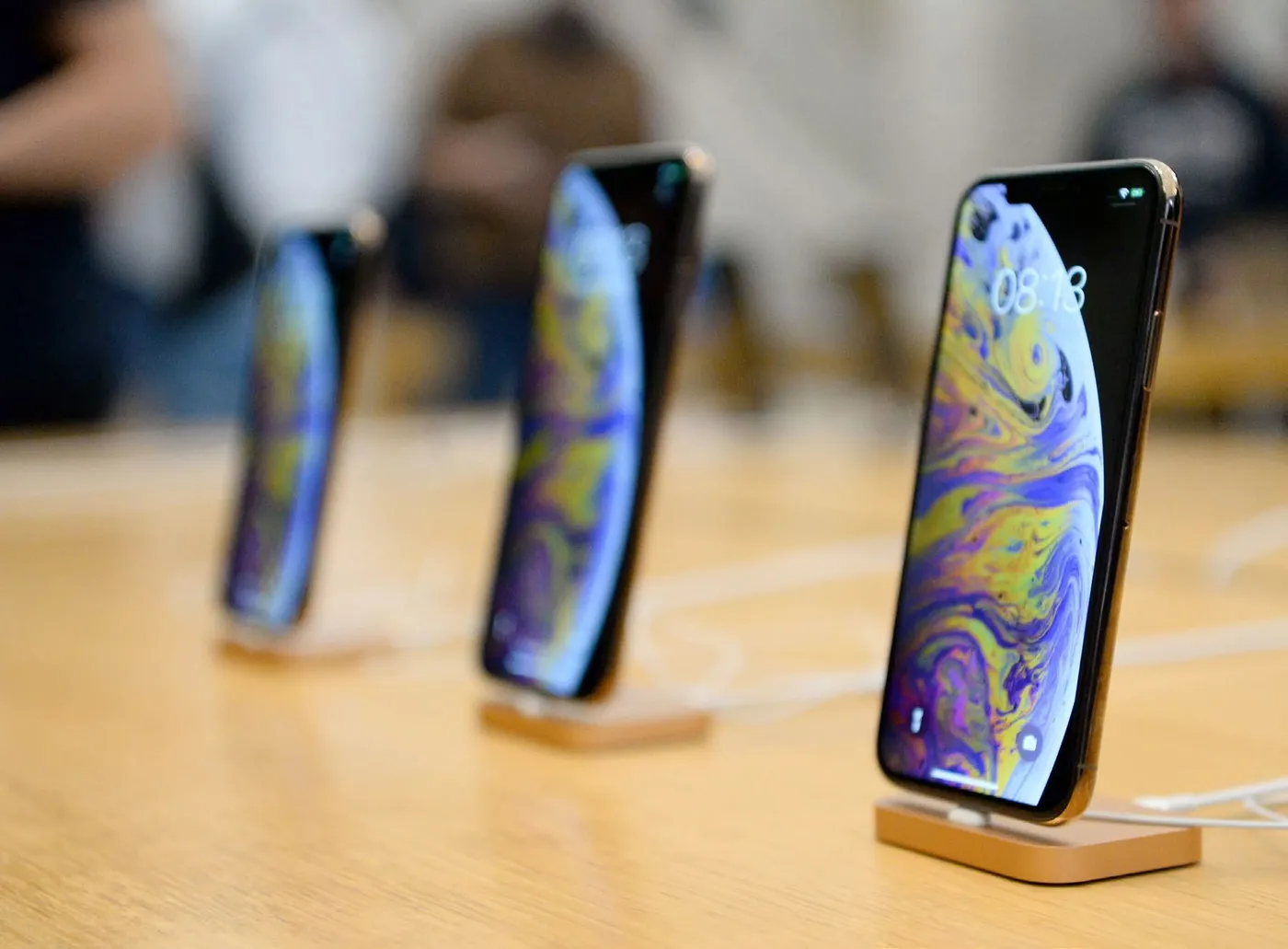
What more can be said about the dire situation in the global smartphone market?
Aside from India, the market has reached a state of entropy. Even at a bi-monthly pace, not much is changing the fact that sales are stale in the East. That’s why for this edition of Takeaways, we’ll be giving you an escape from the gloom and doom by looking at a market that’s all but untouchable for traders: the hermit kingdom of North Korea. Having been in the news lately, you may wonder if people there have access to smartphones at all. As it turns out, they do, and the particularities of devices and mobile plans stand in stark contrast to those found the world over.
News out of North Korea is almost always heart-wrenching. The combination of low wages and the country’s strict central control over the market has made life troublesome for its citizens; multiple famines have killed millions over the past twenty-five years, and even in stable times ordinary foodstuffs can be difficult to obtain. Unofficial markets where food, clothes, household supplies, and consumer goods are available have been tolerated by authorities to varying degrees. Still, given that most landline phones have been owned by government officials, it is no less surprising that a mobile phone market has popped up, and a vibrant one at that.
Mobile phones have a shaky history in the hermit kingdom. Introduced in 2002, the devices were symbols of wealth and class as they were elsewhere in the world at the outset, and only 20,000 North Koreans owned one. Since then, they have gone through a series of bans and un-bans (a mobile phone was thought to be an accessory to a bombing in an assassination attempt on former leader Kim Jong-Il). What’s more, visitors to North Korea would typically have their phones confiscated on arrival for return upon exit. However, in 2008 a serious drive in investment toward developing mobile infrastructure was made. With the help of Egyptian telecom provider Orascom, the state-owned telecommunications corporation established Koryolink, the very first 3G network in the country. It was at this point that the number of subscribers exploded: 120,000 citizens were reported to have phones in 2010, booming to one million in early 2012 and three million as of 2015. By 2017, 69% of households had one, far outstripping the use of landlines by ordinary citizens.
More in Phones
 Phones
The AI tax on your next phone: how memory costs are reshaping smartphone pricing
 Phones
The satellite phone isn’t coming: it’s already in your pocket, so why doesn’t it feel that way?
 Phones
Two autumns a year: inside Apple’s break with the September ritual
 Phones
The flagship killer is dead: inside OnePlus’s retreat and what’s left of it