 The Handelot Times
Europe’s end-of-life mobile phones: why they stay at home, and how to change that
by Raj Kumar Across European Union countries, the most common fate of an old mobile phone is not reuse or recycling, but storage at home.
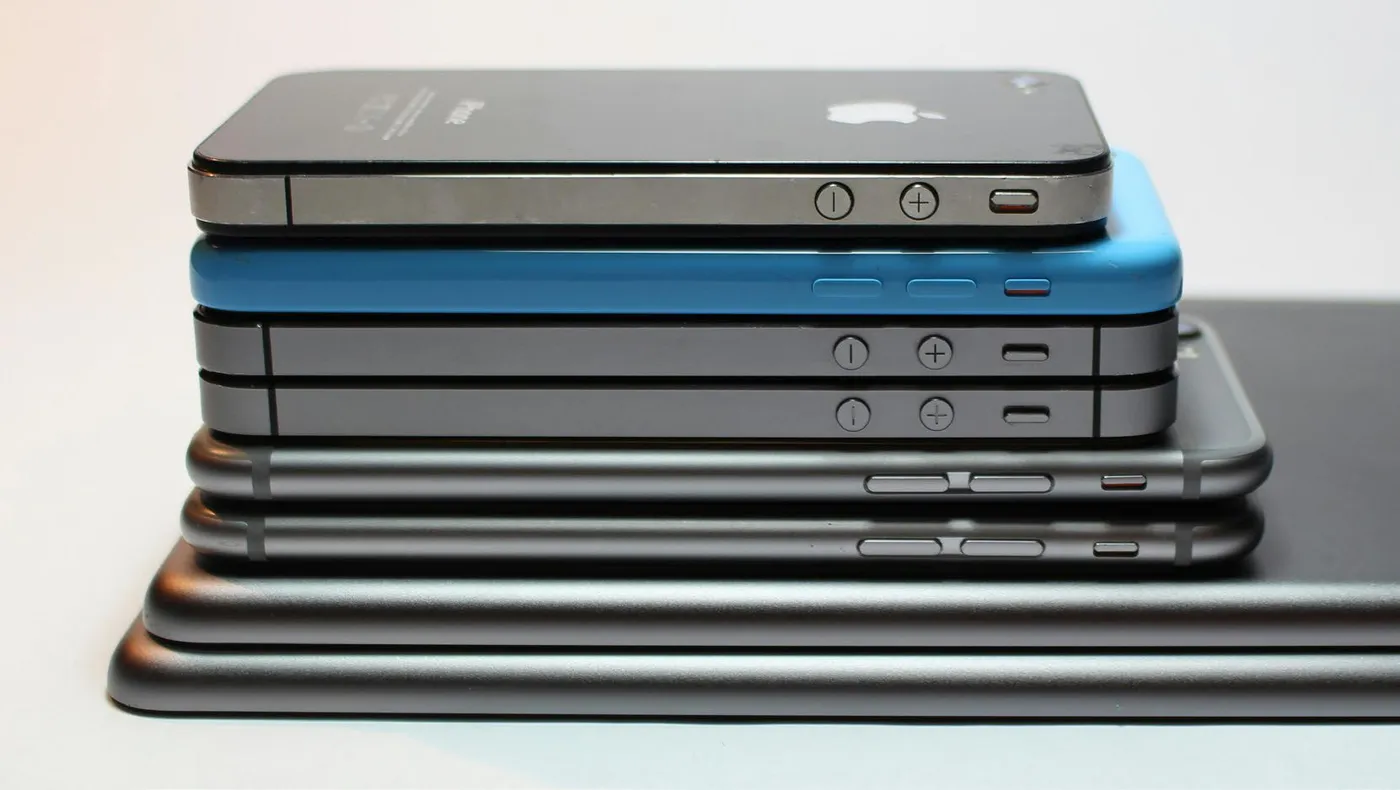
At the system level, Europe appears to perform well. The Global E-waste Monitor 2024 reports that Europe leads the world in documented formal e-waste collection and recycling, capturing 42.8% of total e-waste generated, far above the global average (UNITAR & ITU, 2024). However, this strong aggregate performance masks a persistent weakness: small electronic devices, including mobile phones, are consistently under-collected compared to large appliances.
European Commission evaluations of the WEEE Directive note that small IT and telecommunications equipment is more prone to household storage, mis-sorting, and leakage into unrecorded flows, undermining official collection targets (European Commission, 2023). Research shows that the main bottlenecks are behavioral rather than technical. Studies across several EU countries identify fear of personal data leakage as one of the strongest reasons users retain old phones, with concerns about photos, messages, authentication apps, and financial information discouraging device handover even when recycling options are available (Wilson et al., 2017; Ackermann et al., 2018).
In addition, mobile phones are small, easy to store, and perceived as potentially useful backup devices, which lowers the urgency to dispose of them and encourages long-term postponement (Wilson et al., 2017). Importantly, EU-commissioned behavioral research finds that environmental awareness alone is a weak predictor of action, while convenience and trust strongly shape disposal decisions (Trinomics, 2018). This evidence explains why expanding take-back infrastructure alone has not delivered proportional increases in phone recycling rates.
Even in countries with dense networks of collection points, users are unlikely to act if returning a device requires additional effort, uncertainty, or perceived risk. As a result, millions of phones - and the valuable and critical raw materials they contain - remain idle in European households, delaying recovery and increasing pressure on primary resource extraction. Shifting user behavior from storage to return therefore requires re-designing take-back systems around real decision-making processes. First, data security must be made explicit and verifiable.
More in Phones
 Phones
The AI tax on your next phone: how memory costs are reshaping smartphone pricing
 Phones
The satellite phone isn’t coming: it’s already in your pocket, so why doesn’t it feel that way?
 Phones
Two autumns a year: inside Apple’s break with the September ritual
 Phones
The flagship killer is dead: inside OnePlus’s retreat and what’s left of it