 The Handelot Times
Foldable smartphones no longer shock, but Apple could change everything in 2026
but Apple could change everything in 2026 The world of foldable smartphones has evolved dramatically since their debut, with several high-profile manufacturers such as Samsung, Huawei, and Motorola leading the charge.
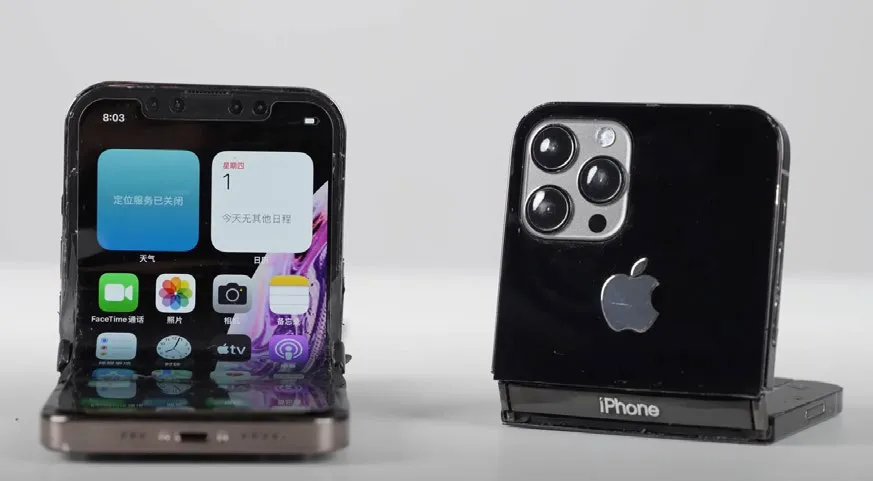
What was once considered a groundbreaking innovation has now settled into a more familiar, albeit niche, segment of the market. Despite early excitement, adoption has been slower than anticipated, and the foldable smartphone market is currently experiencing a phase of stagnation. However, there is a game-changer on the horizon—Apple. The tech giant, known for its ability to revolutionize markets and set trends, is poised to enter the foldable smartphone space in 2026. Analysts are predicting that Apple’s arrival could reignite the market, bringing significant growth and fresh excitement to this evolving category.
With Apple’s legacy of creating user-friendly, beautifully designed products, its foldable device could address many of the concerns that have held foldable phones back from mass adoption. Whether through advancements in screen durability, improved usability, or simply through the influence of its massive customer base, Apple is expected to bring a new level of polish to the foldable smartphone category that could make it more appealing to a wider audience. In this article, we’ll explore how foldable smartphones, once a groundbreaking innovation, have hit a plateau. But with Apple rumored to enter the foldable market in 2026, could they be the ones to reignite the spark and change everything?
Let’s take a closer look at the potential shift ahead.
The rise and evolution of foldable smartphones
Foldable smartphones have gone through a significant transformation since their inception. The first notable step in the foldable revolution came in 2019 when Samsung introduced the Galaxy Z Fold, followed closely by the Z Flip. These devices captured the attention of tech enthusiasts by offering flexible displays that could fold into a more compact shape. This allowed users to experience a larger screen without the bulk of traditional smartphones. Companies like Huawei and Motorola soon followed with their own foldable models, such as the Mate X and the updated Razr. While these devices were initially met with excitement, the adoption rate was slower than expected. Early concerns centered around the durability of foldable displays, the reliability of the hinge mechanism, and the high price tags that came with these innovative devices. The market had to overcome these hurdles before foldables could truly go mainstream, leading to a more cautious approach from both consumers and manufacturers.
More in Phones
 Phones
The AI tax on your next phone: how memory costs are reshaping smartphone pricing
 Phones
The satellite phone isn’t coming: it’s already in your pocket, so why doesn’t it feel that way?
 Phones
Two autumns a year: inside Apple’s break with the September ritual
 Phones
The flagship killer is dead: inside OnePlus’s retreat and what’s left of it