 The Handelot Times
Foldables go mainstream: the iPhone Fold effect
The iPhone Fold Effect For six years, foldable smartphones have been the technology industry’s most persistent “almost.” Almost ready for the mainstream. Almost reliable enough to justify the premium. Almost compelling enough to convince the average consumer to abandon the familiar glass slab.
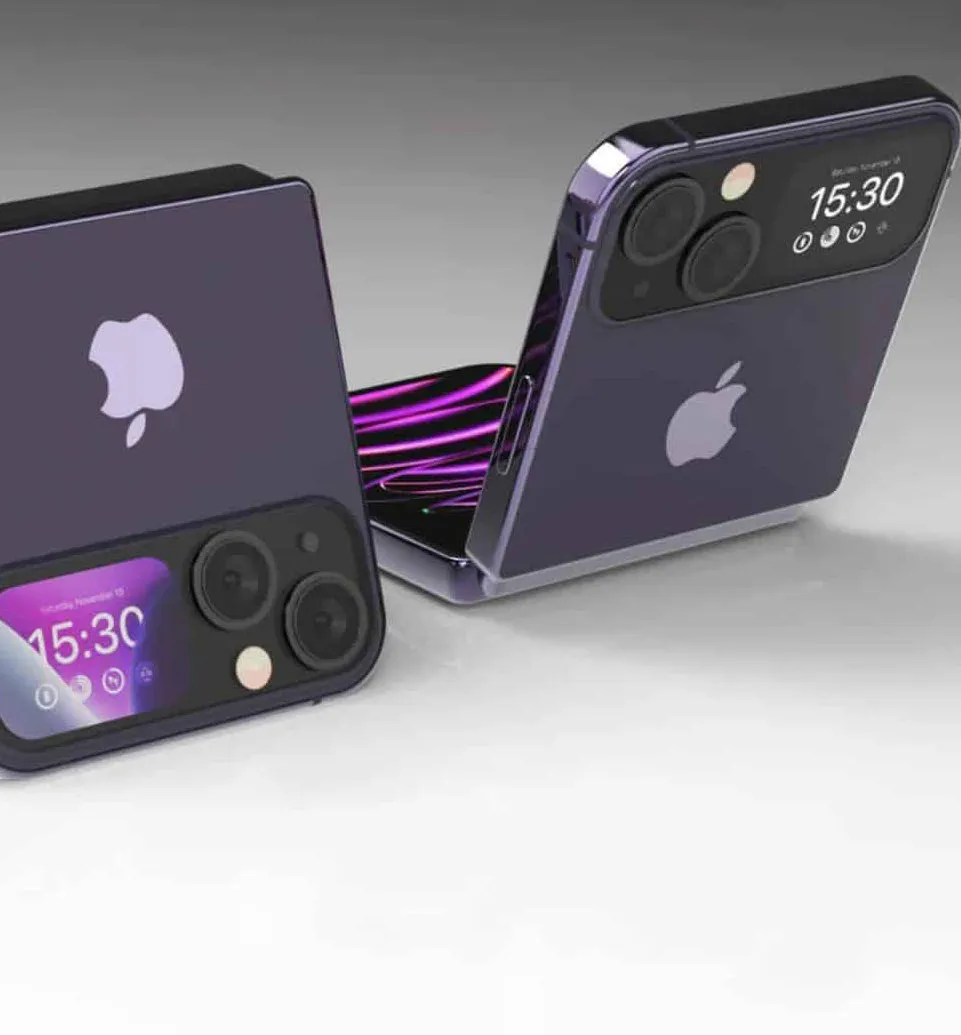
That calculus is about to change. In September 2026, Apple will release its first foldable iPhone, joining the fall lineup alongside the iPhone 18 Pro and iPhone 18 Pro Max. The device features a book-style design with a 4:3 aspect ratio, an iPad mini-sized OLED display when unfolded, and what Apple describes as a nearly invisible crease — a display engineering achievement the company pursued, according to supply chain sources, “regardless of cost.” The price tag reflects that ambition: the foldable iPhone is expected to start above $2,000, making it the most expensive iPhone ever released. The market is already responding to the anticipation.
IDC forecasts a 30 percent year-over-year increase in global foldable shipments for 2026. Counterpoint Research projects 20 percent growth. Omdia’s most bullish estimate calls for 50 percent. The foldable smartphone market is valued at approximately $39 billion in 2026, on track to exceed $110 billion by 2031. Whether the exact growth number lands at 20 or 50 percent, the direction is unmistakable: Apple’s entry is the catalyst the category has been waiting for.
But the iPhone Fold is not arriving into an empty market. It is entering a competitive field where Samsung has seven generations of refinement, Huawei is pushing the boundaries of form factor innovation, and every major Android manufacturer is positioning its foldable strategy for the post-Apple landscape. Here is where each player stands.
Samsung: the incumbent fights back
Samsung has owned the foldable category since its inception. Seven generations of Galaxy Z Fold and Galaxy Z Flip devices have given the company more iterative experience with foldable engineering than any competitor. The Galaxy Z Fold 7, released in mid-2025, addressed many of the durability and crease concerns that plagued earlier models. But Samsung knows that Apple’s entry changes the competitive dynamics entirely.
More in Phones
 Phones
The AI tax on your next phone: how memory costs are reshaping smartphone pricing
 Phones
The satellite phone isn’t coming: it’s already in your pocket, so why doesn’t it feel that way?
 Phones
Two autumns a year: inside Apple’s break with the September ritual
 Phones
The flagship killer is dead: inside OnePlus’s retreat and what’s left of it