 The Handelot Times
Global smartphone growth slows as tariff concerns resurface
as Tariff Concerns Resurface The global smartphone market enters the second half of 2025 under heavy pressure as renewed tariff tensions between the U. S. and major trading partners trigger uncertainty across the supply chain.
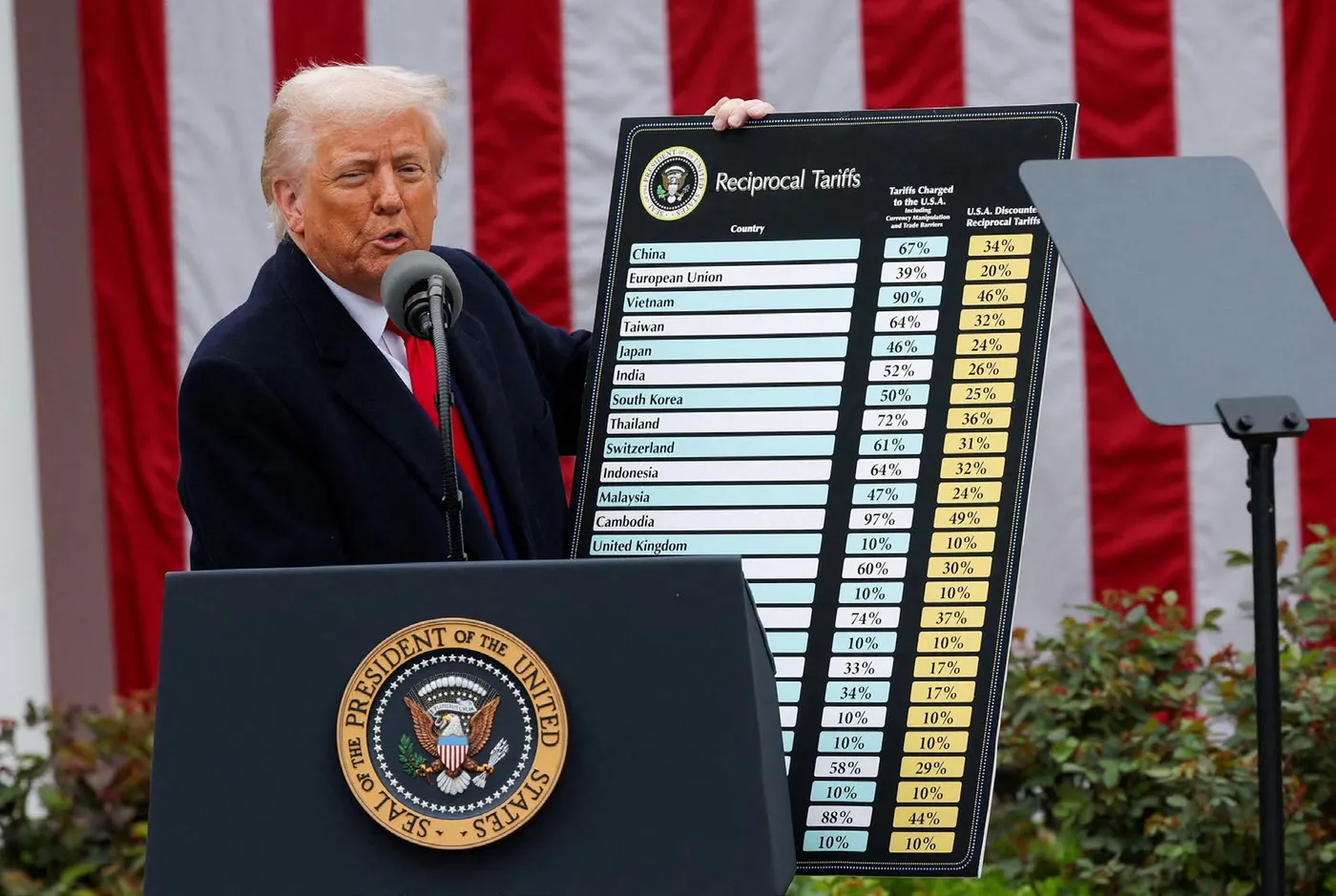
For B2B stakeholders—ranging from OEMs and carriers to components suppliers and retail distributors—understanding the evolving tariff landscape is essential for managing production strategies, pricing models, and cross-border partnerships.
1. Forecast downgraded: tariff risks meet eroding demand
The global smartphone market entered 2025 with cautious optimism, fueled by hopes of a rebound after several years of supply chain disruptions and pandemic-related slowdowns. However, those early expectations have quickly been tempered as the reality of escalating trade tensions, fluctuating input costs, and fragile consumer confidence started to weigh heavily on the sector. Leading market research firms have been forced to downgrade their shipment forecasts dramatically, reflecting the fragility of current global demand. The revisions highlight how sensitive the smartphone industry remains to both macroeconomic turbulence and sudden geopolitical shifts. What began as a controlled slowdown is now evolving into a far more volatile scenario, with growth projections slipping closer to flat or even contractionary territory for key regions.
Revised global estimates
Counterpoint Research downgraded its 2025 forecast from 4. 2% to 1. 9% YoY due to renewed U. S. tariff uncertainty.
IDC took a more conservative stance, adjusting its forecast to a meager 0. 6% growth for the year. Regional Breakdown Much of the slowdown is expected in North America and China—two of the largest markets—while regions like Southeast Asia and the Middle East show relative resilience thanks to subsidized device programs and replacement demand.
More in Phones
 Phones
The AI tax on your next phone: how memory costs are reshaping smartphone pricing
 Phones
The satellite phone isn’t coming: it’s already in your pocket, so why doesn’t it feel that way?
 Phones
Two autumns a year: inside Apple’s break with the September ritual
 Phones
The flagship killer is dead: inside OnePlus’s retreat and what’s left of it