The Handelot Times
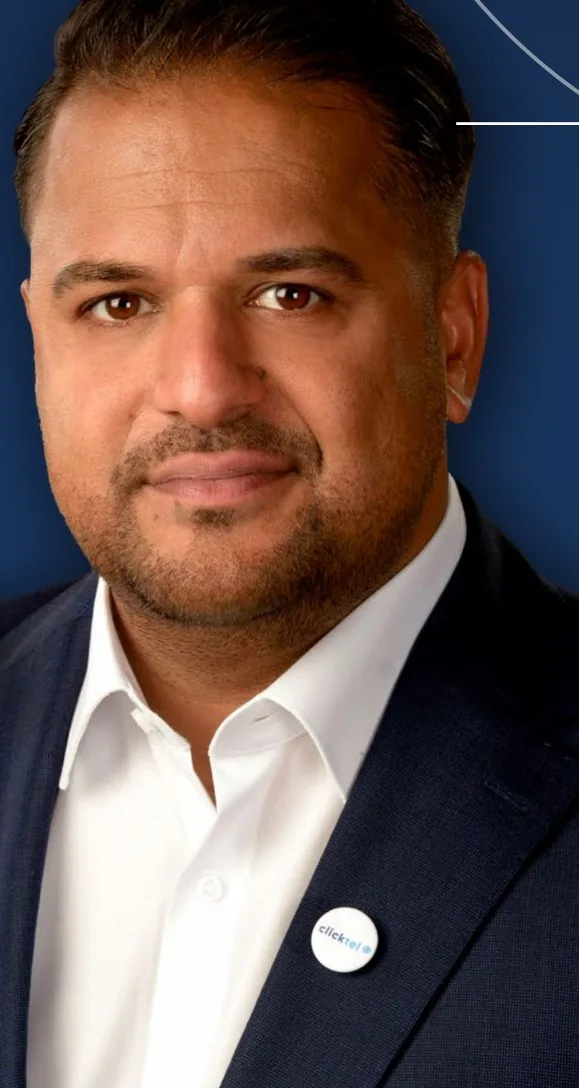
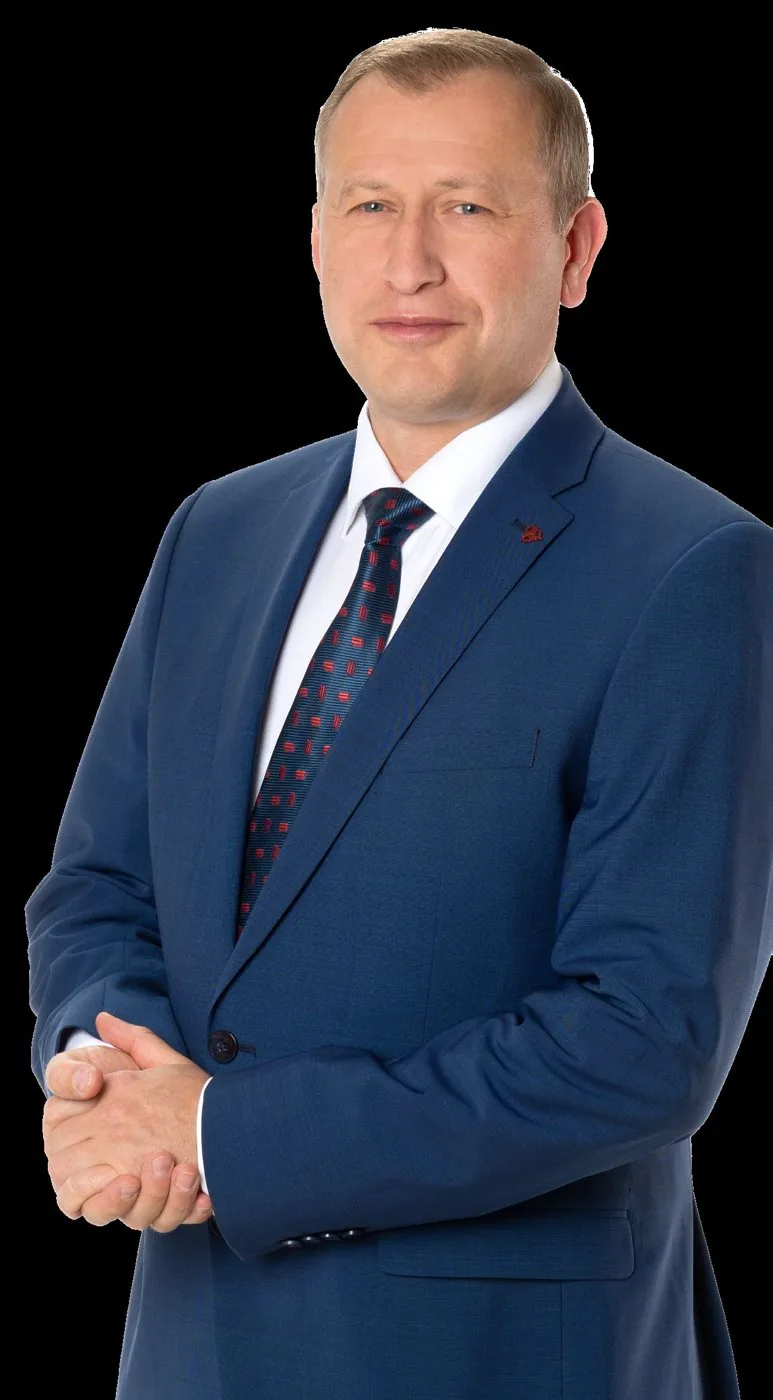
Interview with Hüseyin Kurtoğlu
1. Mr Kurtoğlu, could you briefly introduce Wolfsohn? What is the history behind the company, and how did it develop into the B2B trading business it is today?
Our family’s entrepreneurial roots go back to 1984. Our group has been active in the local distribution of Siemens since 1996 and Bosch since 2003, and these long-standing activities and market relationships continue within our family-business structure. In 2021, we selected Germany as a strategic investment location and established Wolfsohn to develop our European B2B business. Today, we support professional resellers, online sellers, specialist retailers, wholesalers and distributors across Europe and in numerous markets worldwide. In parallel, we are expanding sales and distribution partnerships with innovative growth brands from Europe, the Americas and Asia. We are a technology-oriented business: we already use AI agents in internal processes, while a specialised team continuously develops our AI-supported purchasing, sales and analytical workflows. Our digital presence follows the same clear structure: www.wolfsohn.eu presents our corporate group, international orientation and partnerships; www.wolfsohn.de serves as our B2B platform for products, current offers and direct customer enquiries; and at www.wolfsohn.ai, we bring together our AI and technology initiatives. Our guiding principle is: Trust that helps your business grow. We therefore combine competitive branded products, targeted sourcing, dependable execution and long-term cooperation.
2. How did you personally enter international trade and, in particular, the electronics industry?
My path is closely connected with the history of our family business. It taught me early that trading is not simply about buying and selling. Market knowledge, reliability, a realistic understanding of pricing and stock, and responsible relationships with business partners are what matter. Over time, the business became more international and supply chains more complex. Expanding into Germany was therefore a natural next step: we wanted to combine our long-standing industry experience with the opportunities of the European single market and build a professional B2B network.
3. Which product categories form the core of your business today, and which customers and markets do you serve most actively?
Our core business covers consumer electronics, smartphones and accessories, audio products, small domestic and kitchen appliances, and personal-care and grooming products. We also cover smart home, wearables, gaming, IT accessories, health, toys, and refurbished or open-box products. Our current stock and pre-order offers demonstrate this breadth and include, among others, Samsung, Philips, Braun, Remington, Russell Hobbs, Sony, Casio, Sennheiser, Amazon, Canon, DJI, Dreame, Logitech and Xiaomi, together with growth brands such as Baseus, Blackview, Anlan, Kensen, Momax, QCY, SONOFF, Teclast and Veger. We clearly distinguish between brands whose products we trade through verified sourcing channels and selected brands with which we have direct or authorised sales relationships. Customers can access current stock offers or send us the brand, EAN, target price and required quantity, allowing our sales team to prepare a market-relevant quotation.
4. Germany is one of Europe’s largest but also most demanding electronics markets. In your view, what distinguishes it from Southern and Eastern Europe?
The German market is highly structured and transparent. Business partners expect complete product data, traceable origin, clear warranty and returns processes, and reliable delivery dates. Price and availability remain important, but documentation and compliance are equally decisive. In parts of Southern and Eastern Europe, we often observe greater price sensitivity, faster opportunity-driven purchasing decisions and stronger demand for particular volume products. This does not mean that one market is easier than another. Each has its own sales channels, brand preferences and payment practices. Success depends on understanding these differences and responding flexibly.