 The Handelot Times
Mobile phones and senior citizens
The World Wide Web was conceived of by Tim Berners-Lee, a British engineer and computer scientist, back in 1991. Berners-Lee was born in 1955, making him 64 years old as of the writing of this article.

Report: 70% of senior citizens now online
The World Wide Web was conceived of by Tim Berners-Lee, a British engineer and computer scientist, back in 1991. Berners-Lee was born in 1955, making him 64 years old as of the writing of this article. That means he is one year shy of the watermark commonly considered to be the entry age of senior citizenship. As the new decade comes forth, the godfather of the web will enter into a demographic that is typically assumed to have an aversion to technology. Except, studies show, that notion is completely false. A report from the World Economic Forum reveals that 70% of senior citizens are connected to the internet and use modern connective technology.
As it turns out, this demographic rather likes using technology. 58% of adults ages 65 and older say technology has had a mostly positive impact on society, while roughly three-quarters of internet-using seniors say they go online on a daily basis. What’s more, nearly one in 10 are connected online almost constantly. The report also posits that senior citizens recognize the benefits of evolving technology, such as hearing aids, robots, and smart-home technology, to aid them as their health and mobility declines. Moreover, although seniors are less likely to adopt smartphones than the youth as of this point in time, the numbers of the ones that do aren’t negligible.
Pew Research shows that smartphone ownership among seniors varies substantially by age: 59% of 65- to 69-year-olds own smartphones, but that share falls to 49% among 70- to 74-yearolds. Smartphone adoption drops off considerably among adults in their mid-70s and beyond. Some 31% of 75- to 79-year-olds say they own smartphones, while only 17% of those ages 80 and older are smartphone owners. While predictable, these figures have jumped by a factor of two in the past three years!
All of this is not to say that current technology doesn’t pose challenges. A main issue of senior health is declining visibility.
More in Phones
 Phones
The AI tax on your next phone: how memory costs are reshaping smartphone pricing
 Phones
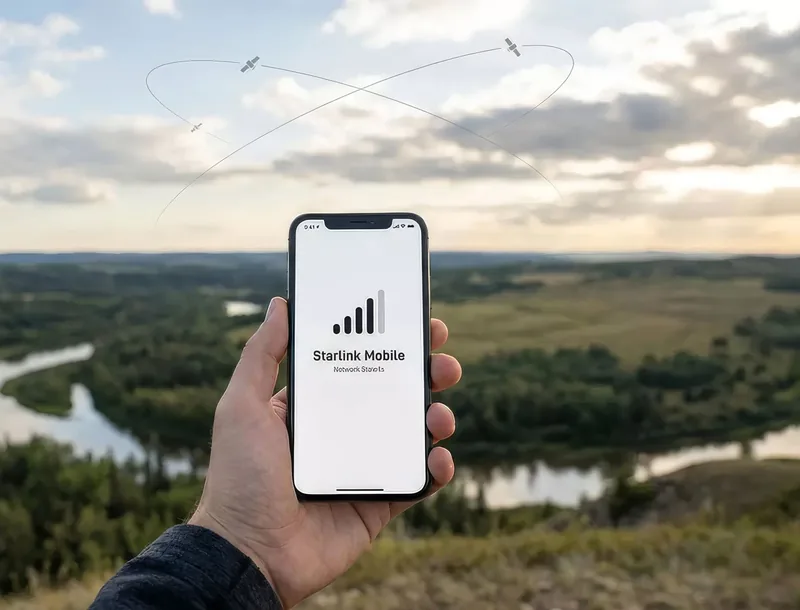
The satellite phone isn’t coming: it’s already in your pocket, so why doesn’t it feel that way?
 Phones
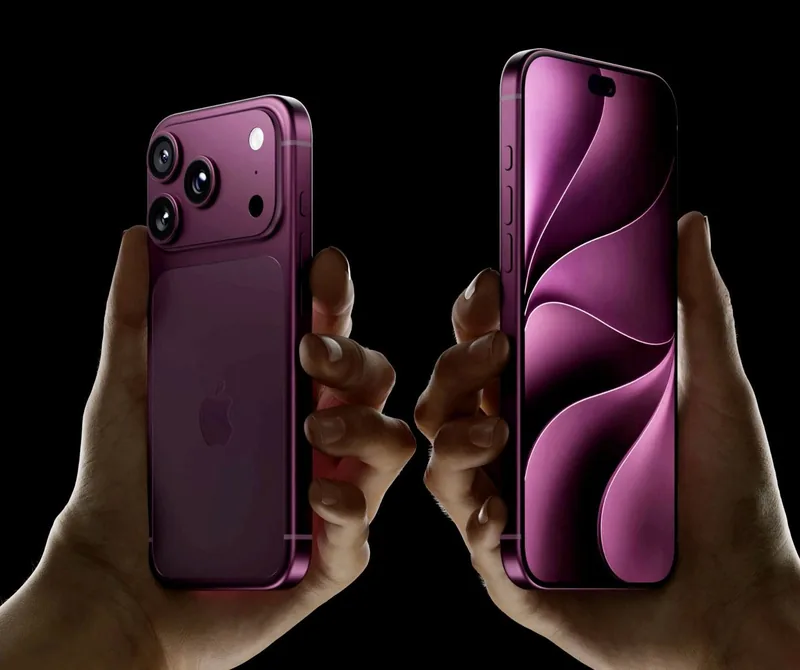
Two autumns a year: inside Apple’s break with the September ritual
 Phones
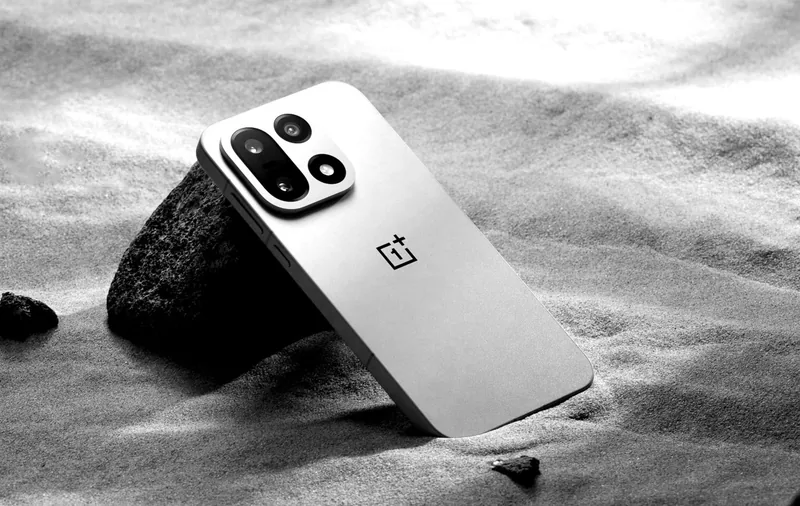
The flagship killer is dead: inside OnePlus’s retreat and what’s left of it