 The Handelot Times
New iPhone 8 specification rumors
Speculating on the specifics of the newest iPhone is almost a pastime among Apple-watchers, and in the tech world as a whole.
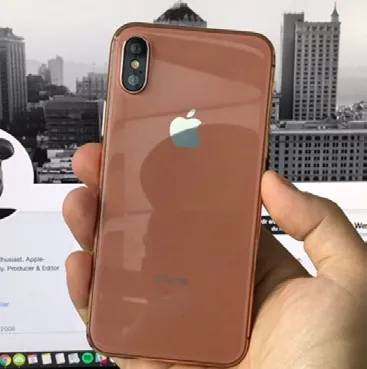
Speculating on the specifics of the newest iPhone is almost a pastime among Apple-watchers, and in the tech world as a whole. Yet year-in and year-out, we see false rumours that are persistent no matter how repeatedly they are proven wrong, and fanciful gossip about technology so cutting edge that its use in a phone-sized format is not yet feasible. Here are some of the most oft-repeated and oft-struck down iPhone rumors from the past decade, and questions to ask yourself to assess the feasibility of these rumors.
“is this too radical for Apple?”
With word of any changes of cosmetic design, ask yourself “is this too radical for Apple?” We have heard of eyebrow-raising concepts for iPhone mockup designs from QWERTY keyboard additions to the inclusion of styluses. Any look at every finished iPhone in succession reveals that Apple’s design process is evolutionary rather than radical, and that the changes – more often than not – manifest themselves in the form of in the shape and size of the phone, and other functional changes such as switching the location of the port for headsets. So, the next time you read about Apple doing away with the home button or straying from its rectangular form factor, remember that these changes are not in line with Apple’s typical progressions.
“would i pay FOR/USE this?”
Apple has sought to give its customers that which they did not know they needed, and this has continued with the iPhone (one of the selling points of the original was the ability to view actual webpages on the device). But even that has its limits; rumours have a tendency to predict the incorporation of new technology into the iPhone that would be unfeasible. For example, an organic light-emitting diode (OLED) screen has been predicted on iPhones since 2009 despite being difficult to produce in mass quantities. Cutting edge and innovative additions drive up prices for consumers, and Apple – though being the premier smartphone – knows that even the most loyal will abandon the brand if they acquire and introduce technologies that raise the prices of the finished product too sharply. It is risky to onboard technologies before they become practical.
“would steve jobs have stood for this?”
Steve Jobs always extolled the virtues of user-friendliness and intuitive design as head of Apple. These were notions previously ignored in technology design, and they are part of what has made Apple so successful. It was a company that was good not only at giving consumers what they needed before they even knew they needed it, but also at making that need self-evident.
More in Phones
 Phones
The AI tax on your next phone: how memory costs are reshaping smartphone pricing
 Phones
The satellite phone isn’t coming: it’s already in your pocket, so why doesn’t it feel that way?
 Phones
Two autumns a year: inside Apple’s break with the September ritual
 Phones
The flagship killer is dead: inside OnePlus’s retreat and what’s left of it