 The Handelot Times
Phone batteries
balls are then attached to the Researchers for Samsung’s anode or cathode of a lithium-ion Advanced Institute of Technolbattery, which would suppress ogy (SAIT) have made a break-adverse side reactions and in-through in the development of crease the conductivity, SAIT exgraphene-based fast charging perts reported in a journal article batteries.
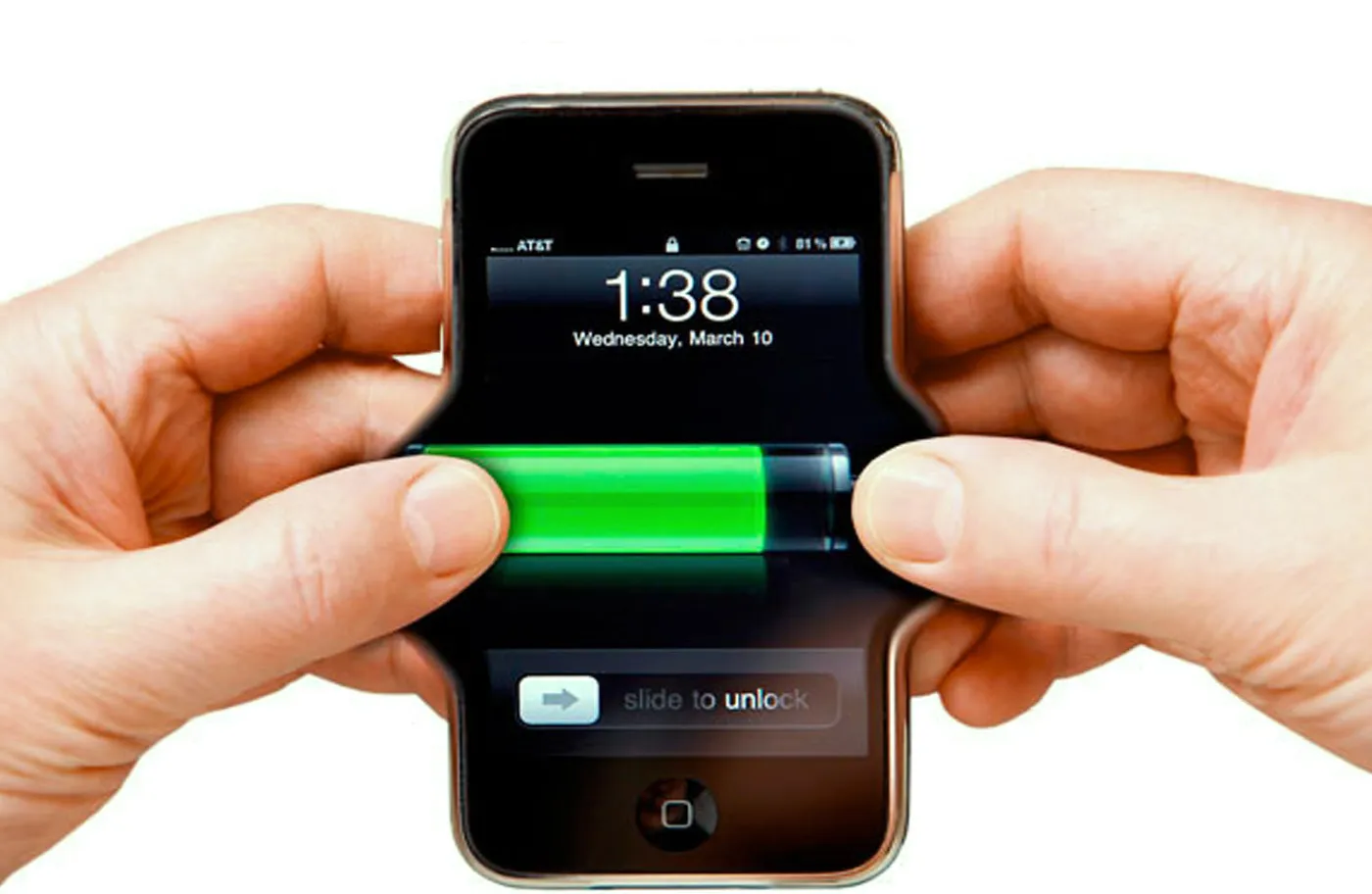
balls are then attached to the Researchers for Samsung’s anode or cathode of a lithium-ion Advanced Institute of Technolbattery, which would suppress ogy (SAIT) have made a break-adverse side reactions and in-through in the development of crease the conductivity, SAIT exgraphene-based fast charging perts reported in a journal article batteries. Not only would the in Nature Communication.
charging time drastically shortened thanks to the technology, only experimental in nature, but the capacity of the batteries Engadget points out that the would be significantly increased. production process is simSamsung announced that the pler than many might think. charging time would be reduced Samsung has figured out how to one fifth of its current length – to coat the electrodes using from 60 minutes to just 12 minNobilta milling in a way that's utes. The capacity would also reasonably fast and accube increased by 45 percent. All rate.
The process, they say of these breakthroughs are pos"would not require a substansible through the use of a brand tial change" to current manunew technology: graphene balls. facturing techniques for adIt appears that the company vanced lithium-ion batteries has succeeded in developing a like the ones used in EVs. mechanism that synthesizes silicon dioxide to form three-dimensional popcorn-like balls. These Furthermore, the researchers report that batteries based on the new technology can be used without problems at temperatures of around 60 degrees Celsius, below the 70-degree threshold needed for the operation If this development sounds of electric cars.
Thus, the graphene technology would be revolutionary for everyday devices such as smartphones, upcoming technological staples of life like the electric car, and perhaps ones we can’t even conceive of yet. Samsung has, predictably, applied for a patent for the batteries in South Korea and the US. Dates for production and commercialization of the batteries have not yet been divulged.
More in Phones
 Phones
The AI tax on your next phone: how memory costs are reshaping smartphone pricing
 Phones
The satellite phone isn’t coming: it’s already in your pocket, so why doesn’t it feel that way?
 Phones
Two autumns a year: inside Apple’s break with the September ritual
 Phones
The flagship killer is dead: inside OnePlus’s retreat and what’s left of it