 The Handelot Times
Samsung Galaxy Z Fold 7: ultra-level thinness meets flagship power
Ultra-Level Thinness Meets Flagship Power In the fast-moving world of smartphones, there’s always a “next big thing” — but every so often, a device comes along that feels like a genuine milestone. For industry analysts and early adopters, the Samsung Galaxy Z Fold 7 is one of those moments.
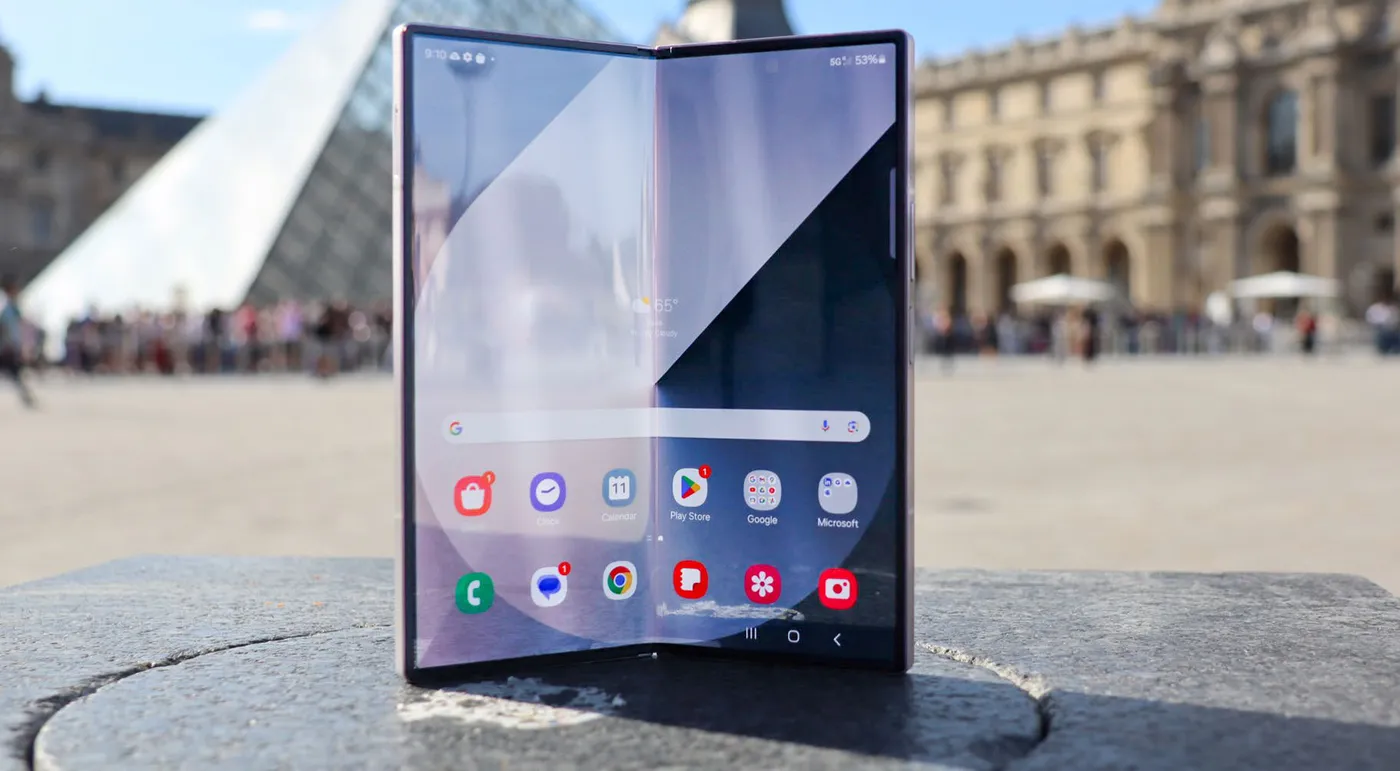
Its engineering achievements come at a cost — quite literally — making it the most expensive Fold Samsung has ever released. That price tag will spark debate, but it doesn’t change the fact that, for many, this is the foldable they’ve been waiting for.
In the sections ahead, we’ll explore exactly what makes the Z Fold 7 stand out today — from its ultra-thin design and upgraded display, to its breakthrough camera, enhanced AI capabilities, and the real-world performance that could set the bar for the next generation of foldables.
A leap in design and portability
The Z Fold 7 arrives as the thinnest and lightest device in Samsung’s foldable lineup. When folded, it measures just 8.9 mm thick — only 0.7 mm more than the Galaxy S25 Ultra, a non-foldable flagship. Unfolded, its profile drops to a remarkable 4.2 mm, an achievement made possible by redesigned internal components and a refined FlexHinge mechanism.
At 215 grams, it is even lighter than the S25 Ultra (218g) and substantially lighter than its predecessor, the Z Fold 6, which weighed 239g. Experts note that this weight reduction dramatically improves comfort during prolonged use and makes it feel closer to a traditional flagship phone in-hand.
More in Phones
 Phones
The AI tax on your next phone: how memory costs are reshaping smartphone pricing
 Phones
The satellite phone isn’t coming: it’s already in your pocket, so why doesn’t it feel that way?
 Phones
Two autumns a year: inside Apple’s break with the September ritual
 Phones
The flagship killer is dead: inside OnePlus’s retreat and what’s left of it