 The Handelot Times
Samsung Ring (MWC)
The proposal is Samsung’s clear alternative and that of its competitors in an increasingly vibrant market: devices aimed at monitoring our health status.
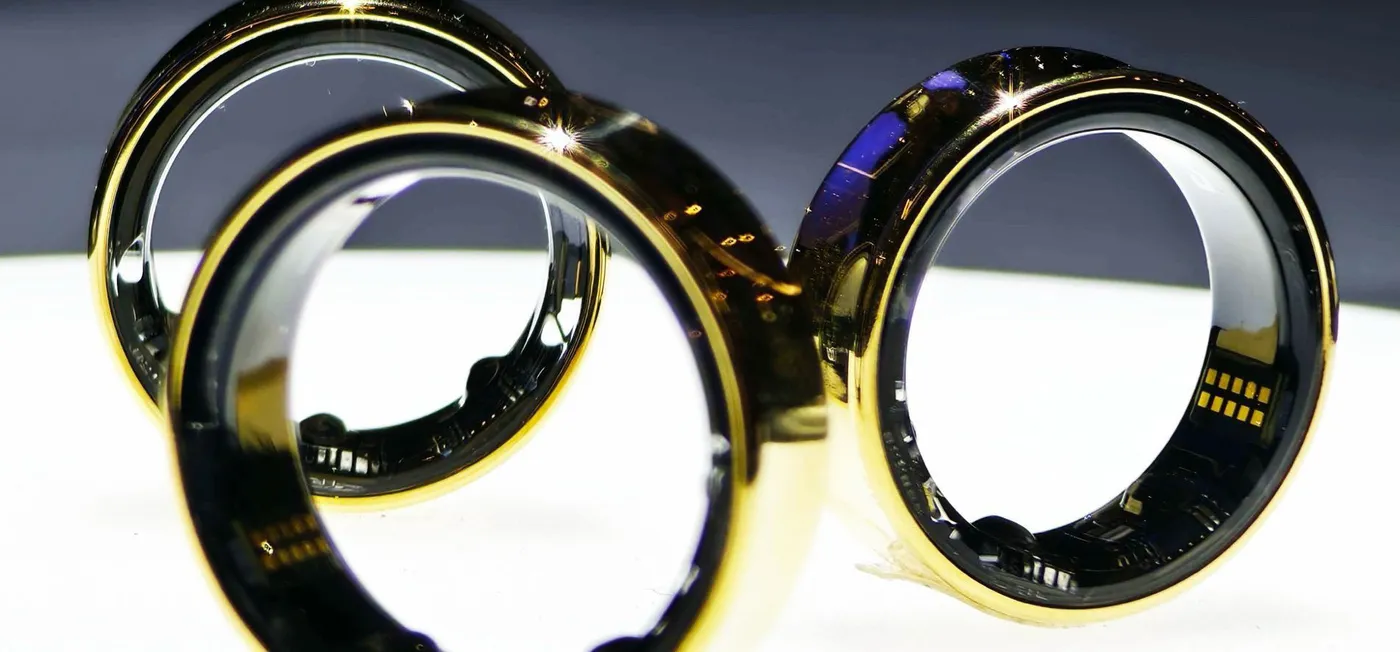
The proposal is Samsung’s clear alternative and that of its competitors in an increasingly vibrant market: devices aimed at monitoring our health status.
The Samsung Galaxy Ring is a lightweight ring thanks to its titanium construction. It weighs less than three grams, at least in the current prototypes, while the Oura Ring weighs between four and six grams. It is expected to be available in three colors: silver, black, and gold. According to the company, the index finger is the most recommended for wearing it, as it provides the best sensor readings. It is difficult to capture the details behind the display case, but this is the appearance of the inner face of the Samsung Galaxy Ring.
It has a slightly concave design on its surface and is offered in various finger sizes — from 5 to 13 — marked with letters like S or XL on the inside of the design. An interesting note here: the battery and autonomy of the ring depend on this size: the larger the size, the more battery we will have available. Currently, this capacity ranges from 14.5 to 21.5 mAh, but it is not yet known how much autonomy the Galaxy Ring offers or how its charging system will work. There are currently no details about the internal sensors that Samsung has integrated into the ring, but it is known that the company will leverage its partnership with Natural Cycles, a company that monitors the menstrual cycle in women.
However, one of the apparently key functions of the ring is sleep monitoring. Hok Pak, head of Digital Health at Samsung, explained that many people do not wear a smartwatch to sleep, causing that information to be lost. The ring is precisely designed to reinforce that option thanks to its less invasive format. According to CNET, it will be able to record heart rate, respiratory rate, nocturnal movements, and sleep latency.
More in Phones
 Phones
The AI tax on your next phone: how memory costs are reshaping smartphone pricing
 Phones
The satellite phone isn’t coming: it’s already in your pocket, so why doesn’t it feel that way?
 Phones
Two autumns a year: inside Apple’s break with the September ritual
 Phones
The flagship killer is dead: inside OnePlus’s retreat and what’s left of it