 The Handelot Times
Smartphone components and chemistry
The smartphone is a must for all young people who use it for its computing, memory and data connection capabilities: it is basically a mobile phone that acts as a laptop.
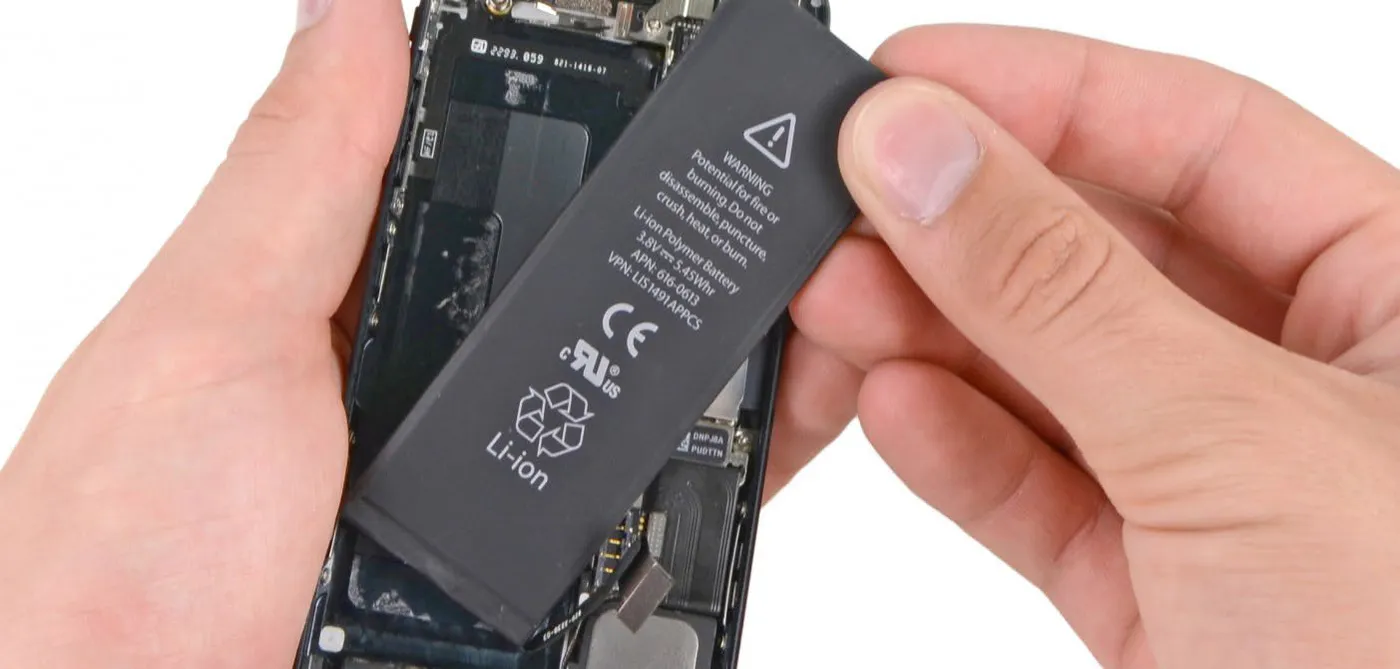
The smartphone is a must for all young people who use it for its computing, memory and data connection capabilities: it is basically a mobile phone that acts as a laptop. Most of the components are covered by a patent but smartphones have a lot in common and each is made up of certain materials.
Of the 83 stable (non-radioactive) elements, at least 70 are found in smartphones. In the smartphones there are, albeit in small quantities, elements of the rare earth elements or elements that have an atomic number from 57 to 71 that allow the display of colors. To these elements, called lanthanides are added scandium and yttrium which have similar properties. The various smartphones contain 16 of the 17 elements and only the promethium is not present as radioactive.
In addition to allowing the display of colors, rare earth metals, named by the U.S. Department of Energy ‘technological metals’ are used in acoustic circuits and devices: the smartphone would not be able to vibrate if neodymium and dysprosium were not present.
Due to the limited diffusion of these elements, one of the next objectives of chemistry is to find suitable substances to replace them. Screen Most smartphones have a touchscreen, although the latter is not a component of the smartphone but a feature.
More in Phones
 Phones
The AI tax on your next phone: how memory costs are reshaping smartphone pricing
 Phones
The satellite phone isn’t coming: it’s already in your pocket, so why doesn’t it feel that way?
 Phones
Two autumns a year: inside Apple’s break with the September ritual
 Phones
The flagship killer is dead: inside OnePlus’s retreat and what’s left of it