 The Handelot Times
The foldable gamble: Apple’s $2,000 bet and the race it triggered
For years, the foldable smartphone market has been a niche within a niche.
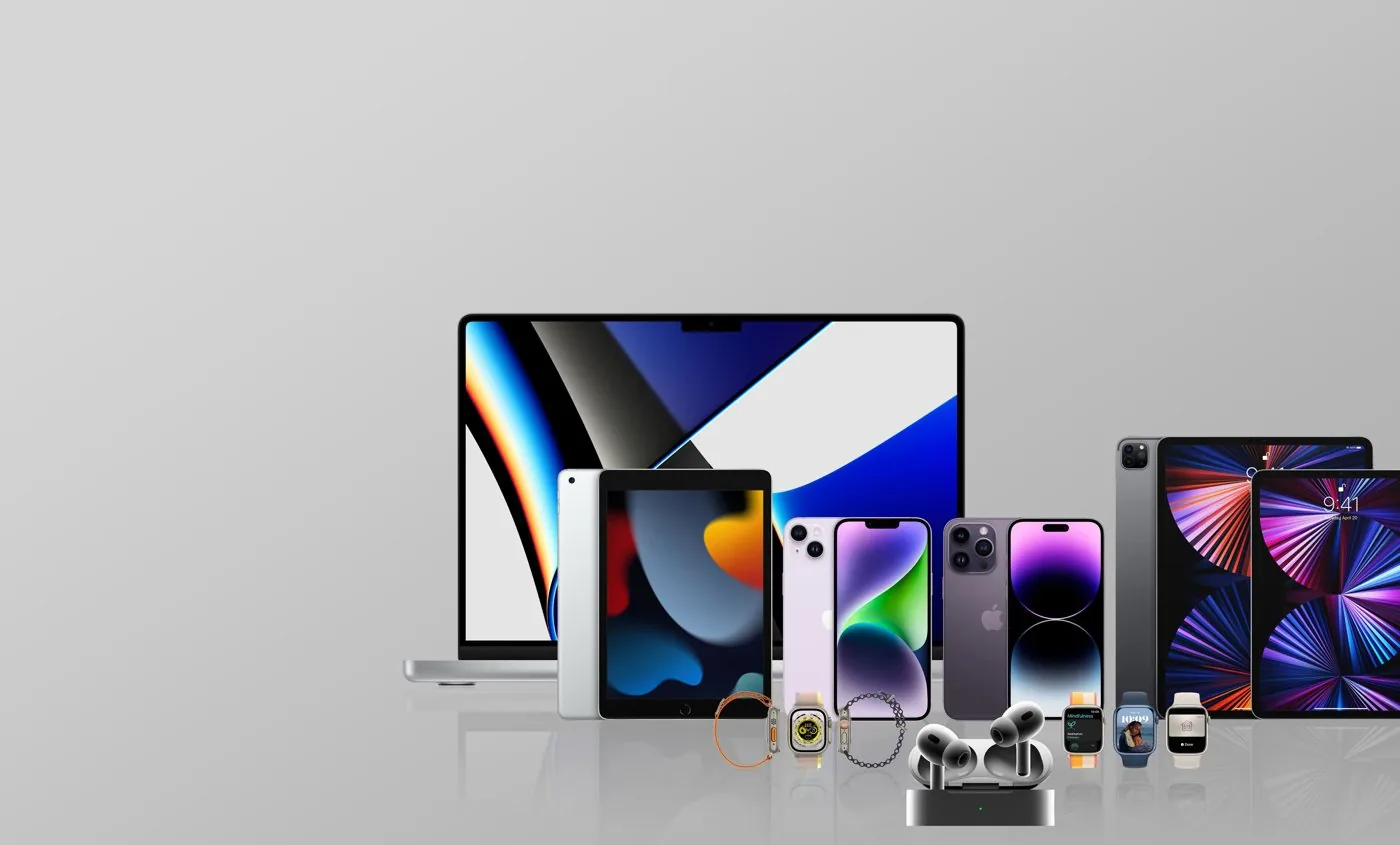
Well: that era of observation is about to end. Every credible supply chain leak, every analyst forecast, and every component order tracked by industry researchers now points to the same conclusion: Apple will launch its first foldable iPhone in September 2026, and the device will carry a starting price north of $2,000.
The implications for the smartphone industry, for electronics wholesalers, and for the broader consumer technology supply chain are profound. Apple does not enter markets to participate. It enters markets to reshape them. When the iPhone arrived in 2007, it killed the feature phone. When the iPad launched in 2010, it created the tablet category and then absorbed it.
The question facing the foldable market is not whether Apple’s entry will change the competitive landscape. It is how fast and how dramatically the change will arrive.
What we know about the iPhone Fold
The details that have emerged through leaks and supply chain analysis paint a picture of a device that is unmistakably Apple: premium, polished, and priced accordingly. The working name is iPhone Fold, though iPhone Ultra remains a strong alternative. The design follows the book-style format popularized by Samsung’s Galaxy Z Fold series, opening like a book to reveal a larger inner display rather than folding in half like a clamshell. The inner display measures 7.76 inches at a resolution of 2,713 by 1,920 pixels. The outer display, usable when the device is folded, measures 5.49 inches. Both are expected to feature Apple’s ProMotion technology with adaptive refresh rates up to 120Hz.
More in Phones
 Phones
The AI tax on your next phone: how memory costs are reshaping smartphone pricing
 Phones
The satellite phone isn’t coming: it’s already in your pocket, so why doesn’t it feel that way?
 Phones
Two autumns a year: inside Apple’s break with the September ritual
 Phones
The flagship killer is dead: inside OnePlus’s retreat and what’s left of it