 The Handelot Times
The rise of smart rings
How a tiny form factor is reshaping health, payments, and the next wave of ambient computing For a decade, wearables meant watches and bands. In 2025, the center of gravity is quietly shifting to your fingers.
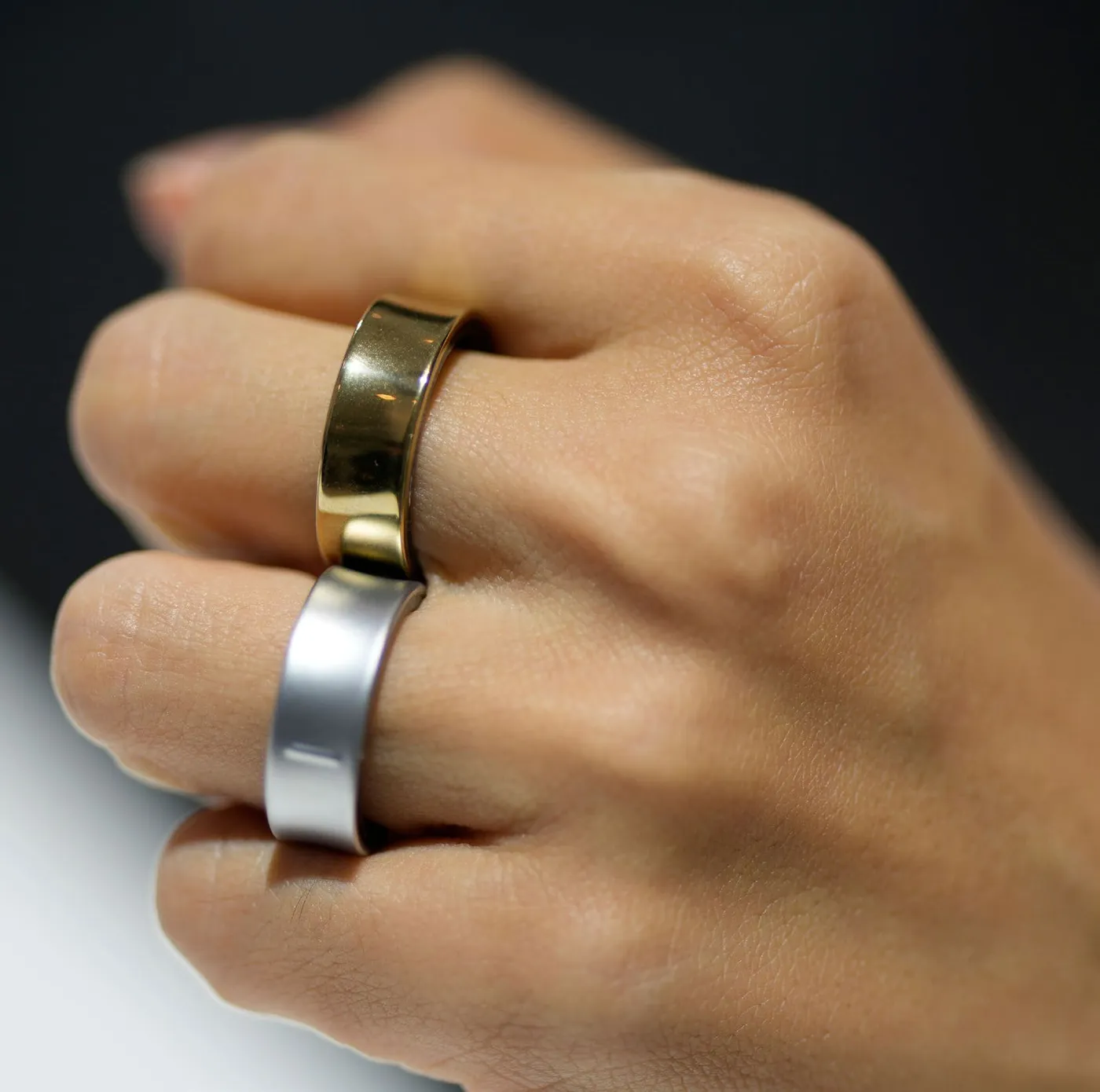
Apple hasn’t entered (yet), but Samsung has; Oura is scaling fast; and a long tail of challengers from healthcare and fitness is piling in. Even lifestyle publishers now maintain up-to-date comparison guides, a sure sign a category has arrived.
The numbers and narratives line up. Oura—the brand most people associate with rings—just raised $900 million at an $11 billion valuation to double down on AI, distribution, and women’s health features, after selling 5.5 million rings (over half in 2025 alone). Pricing sits around $499 for premium finishes with a $5.99/month membership for insights—positioning the ring as a service, not just a gadget. Meanwhile, Samsung’s Galaxy Ring has pulled the category into the smartphone mainstream by tying finger-based sensing directly to Galaxy Health and phone features. Smart rings aren’t just “smaller watches.” They’re changing how biometrics are collected, how subscriptions are packaged, and how ambient computing reaches you without lighting up a screen. The result is a product that can be worn 24/7, sits comfortably beside mechanical watches, and fits emerging workplace norms (less intrusive tech, more private feedback).
How smart rings are revolutionizing the market
Miniaturization is no longer a parlor trick; it’s an infrastructure shift. Smart rings are proving that powerful sensing doesn’t need to live on your wrist — or in your face. Their success reveals how subtle form factors can redefine entire product categories, business models, and consumer expectations.
1. Finger-first sensing is a better sensor math. Physiology matters. The arteries in the finger provide strong photoplethysmography (PPG) signals, enabling accurate heart rate, HRV, and temperature variance tracking in a tiny, screenless package. Oura cites high reliability figures for resting heart rate (≈99.6%) and HRV (≈98%) and battery life up to seven days—credible numbers for a device that disappears on the hand.
More in Phones
 Phones
The AI tax on your next phone: how memory costs are reshaping smartphone pricing
 Phones
The satellite phone isn’t coming: it’s already in your pocket, so why doesn’t it feel that way?
 Phones
Two autumns a year: inside Apple’s break with the September ritual
 Phones
The flagship killer is dead: inside OnePlus’s retreat and what’s left of it