 The Handelot Times
The smartphone as a business operating system
as a Business Operating System For years, the smartphone was described as a productivity extension. It allowed executives to answer emails on the move, review documents outside office hours and stay loosely connected to their teams.
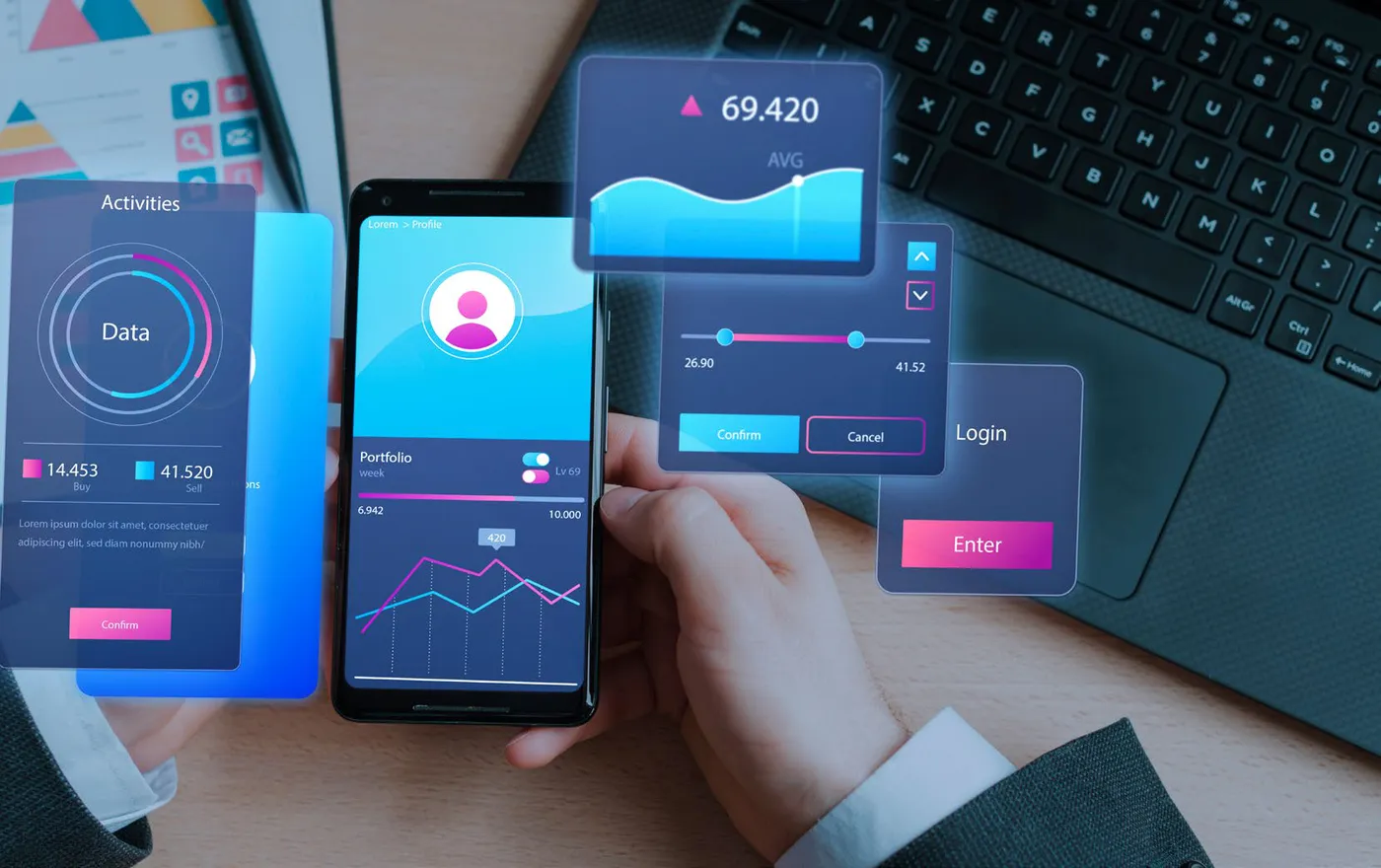
That description no longer captures its structural role. The smartphone has evolved into the primary interface through which modern businesses operate, observe, authorize and react. It is where dashboards are checked before morning meetings, where payments are approved between flights, where customer escalations are detected in real time and where strategic shifts often begin. In a machine-led economy, intelligence flows continuously. AI systems generate forecasts, alerts and recommendations without pause. The smartphone is the device that translates that constant machine output into human judgment. It has become the bridge between algorithmic infrastructure and executive action. This transformation reshapes not only workflows but leadership behavior itself. Decisions are compressed, hierarchies are shortened and geography becomes secondary. Organizations that understand this shift redesign processes around mobility rather than treating it as an accessory.
In summary, the smartphone is no longer a secondary screen. It is the operating layer through which business breathes. In this article, then, we will examine ten structural ways in which the smartphone functions as a true business operating system, each illustrated with practical examples to clarify how mobility reshapes decision-making, control and leadership in real-world scenarios.
1. Decision-making no longer waits for physical presence
For much of modern corporate history, authority was tied to place. Decisions were made in boardrooms, validated through desktop systems and formalized in scheduled meetings. Physical presence acted as both operational necessity and symbolic control. If the decision-maker was not in the office, the process often paused. Smartphones have dismantled that architecture quietly but decisively. Secure cloud systems, AI-powered dashboards and encrypted mobile access now allow leaders to evaluate performance metrics, approve strategic moves and intervene in operational issues from virtually anywhere. The compression of distance between signal and action fundamentally alters the tempo of business.
Response time shortens, hierarchies flatten and accountability becomes immediate rather than deferred. However, this increased fluidity also reshapes expectations. Teams no longer plan around availability windows; they assume continuous reachability. The cultural consequence is subtle but powerful: delay becomes harder to justify, and leadership becomes a mobile function rather than a fixed role. The smartphone, in this sense, transforms decision-making from an event into an ongoing process.
More in Phones
 Phones
The AI tax on your next phone: how memory costs are reshaping smartphone pricing
 Phones
The satellite phone isn’t coming: it’s already in your pocket, so why doesn’t it feel that way?
 Phones
Two autumns a year: inside Apple’s break with the September ritual
 Phones
The flagship killer is dead: inside OnePlus’s retreat and what’s left of it