 The Handelot Times
The smartphone squeeze
According to IDC’s Worldwide Quarterly Mobile Phone Tracker, worldwide smartphone shipments were forecast to decline 13.9 percent year-on-year, falling to 1.09 billion units.

For an industry that had grown accustomed to selling well over a billion devices per year, the numbers represented a structural break. The forces driving the decline were not temporary demand fluctuations or seasonal softness. They were systemic pressures that were fundamentally altering the cost structure of every smartphone sold on the planet.
The dual squeeze: memory and war
The memory shortage that began reshaping the market in 2025 remained the primary driver of the contraction, but by mid-2026 it was no longer operating alone. The US-Iran conflict added a fresh layer of cost pressure through rising oil prices and transportation costs, hitting smartphone OEMs at a moment when their bills of materials were already inflated by memory component scarcity.
The combined effect forced vendors into a strategic corner. Manufacturers reduced shipment volumes, raised prices, and concentrated their portfolios on higher price tiers where margins could absorb the cost increases.
The result was a record average selling price of $550, a full $100 increase from the prior year.
More in Phones
 Phones
The AI tax on your next phone: how memory costs are reshaping smartphone pricing
 Phones
The satellite phone isn’t coming: it’s already in your pocket, so why doesn’t it feel that way?
 Phones
Two autumns a year: inside Apple’s break with the September ritual
 Phones
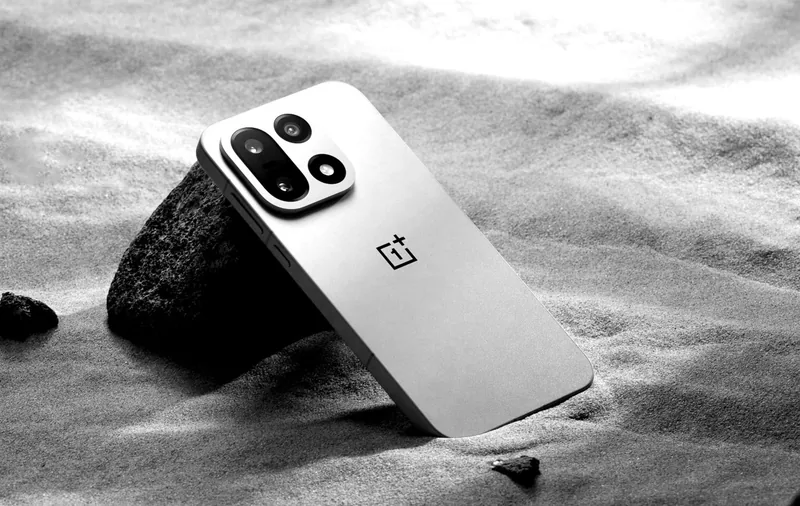
The flagship killer is dead: inside OnePlus’s retreat and what’s left of it