 The Handelot Times
Wearables enter a new growth phase
A Market Moving Beyond Gadgets Wearable electronics have existed for more than a decade, but the category is experiencing a renewed and much deeper acceleration. This new phase is not driven by fashion cycles, cosmetic redesigns or the usual pressure of seasonal product launches.
This evolution is backed by rising public interest in preventive health. Consumers understand more about heart rate variability, sleep staging, stress markers, oxygen saturation and metabolic patterns, and they expect devices that can interpret these signals reliably. As a result, companies designing wearables are investing more in sensors, data quality, algorithm refinement and partnerships with medical institutions. The category has matured into a hybrid between consumer electronics and personal health technology, with a value proposition that extends well beyond tracking steps.
Why health tracking has become the core of wearables
For years, health tracking represented only a fraction of wearable functionality, but it now defines the category. The demand for precise and real-time physiological monitoring has grown consistently, supported by improvements in sensor fidelity and an expanding body of scientific validation. Consumers rely on wearables to understand stress levels, sleep recovery cycles, cardiovascular condition and training readiness. This trend emerged as people began seeking tools that provided actionable interpretations rather than superficial metrics. They want insights that influence how they manage energy, exercise, productivity or rest. As a result, wearables now prioritize health-centric capabilities such as improved photoplethysmography sensors, multipoint ECG measurements, body temperature mapping and continuous respiration tracking. The category is evolving toward medical-grade performance, but delivered through devices that remain comfortable and accessible.
The fitness market continues to drive adoption
Physical activity remains one of the primary motivations for purchasing a wearable, and this sector is growing as people adopt structured training routines, long-distance sports, high-intensity workouts and recovery-driven programs. Modern devices address these needs by integrating highly specialized features:
Real-time performance analytics
More in Phones
 Phones
The AI tax on your next phone: how memory costs are reshaping smartphone pricing
 Phones
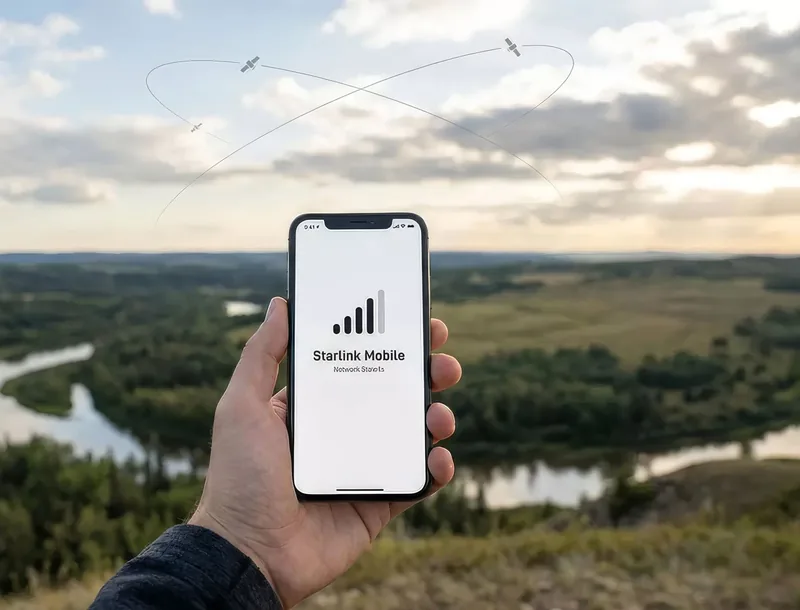
The satellite phone isn’t coming: it’s already in your pocket, so why doesn’t it feel that way?
 Phones
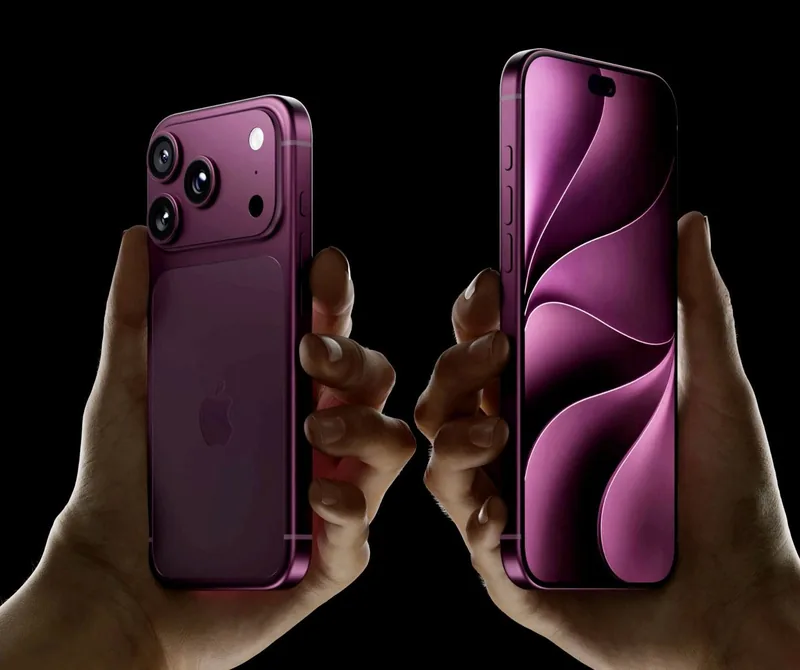
Two autumns a year: inside Apple’s break with the September ritual
 Phones
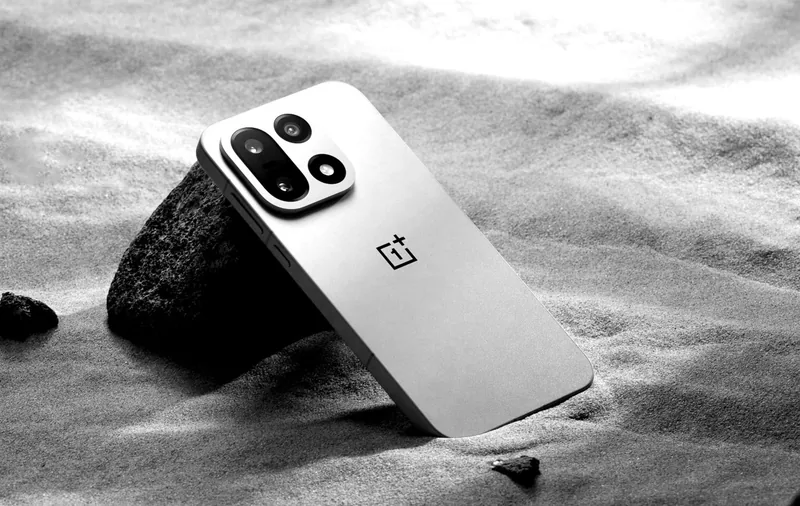
The flagship killer is dead: inside OnePlus’s retreat and what’s left of it