 The Handelot Times
Will your next smartphone cost more? Blame the tariffs
Blame the Tariffs Short answer: prices could rise—especially for U.S.-bound flagships—because tariffs on China-tied hardware inflate costs somewhere in the chain.

1. What CHANGED—AND why this suddenly matters
In early 2025, the U.S. dramatically escalated tariffs on Chinese imports. Analysts warned that if those levies stuck, top‑end iPhones could jump by 30–43%—with a notional $1,599 model modeled near $2,300 if all costs were passed through. Apple shares sold off on the fear of sticker‑shock. Days later, Washington excluded smartphones, computers, and several other electronics from the steepest tranche, taking immediate pressure off finished phones—but leaving a web of duties and policy uncertainty in place. Analystrs noted the administration still kept a 20% tariff related to fentanyl policy on all Chinese imports; it also signaled further chip‑focused measures could come. Translation: even with phone exemptions, portions of the component stack remain exposed, and policy can flip again.
Meanwhile, older Section 301 tariffs from the last trade round are still in the background (25% on large swaths of China‑origin goods after the 2018–2020 actions), and the U.S. in 2024 set higher rates on some battery parts and critical minerals (with staged start dates through 2026). Not all of this hits phones directly, but it increases the chance that pieces of a flagship’s BOM (battery cells or upstream materials) carry tariff lift.
To further complicate the backdrop:
Washington and Beijing have been operating under on‑again, off‑again tariff truces. As of August 12, 2025, the two sides agreed another 90‑day extension, averting a fresh spike but keeping uncertainty elevated.
More in Phones
 Phones
The AI tax on your next phone: how memory costs are reshaping smartphone pricing
 Phones
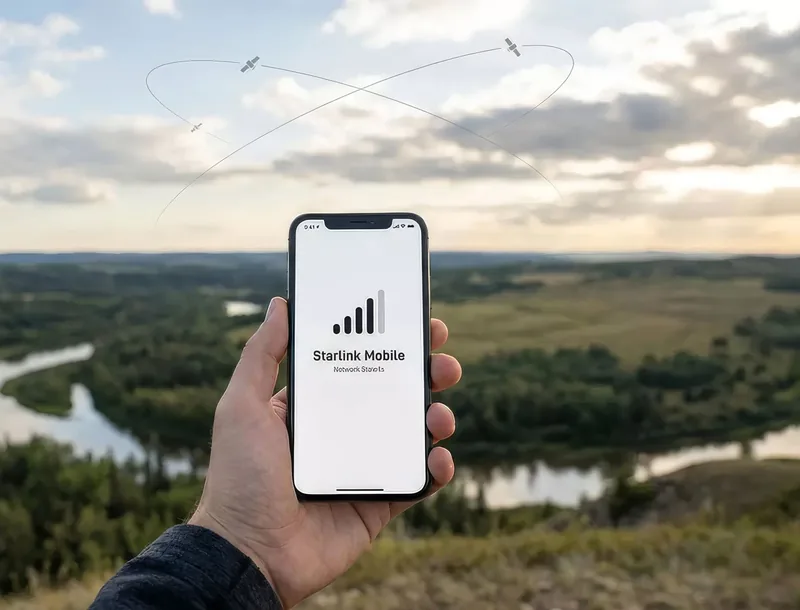
The satellite phone isn’t coming: it’s already in your pocket, so why doesn’t it feel that way?
 Phones
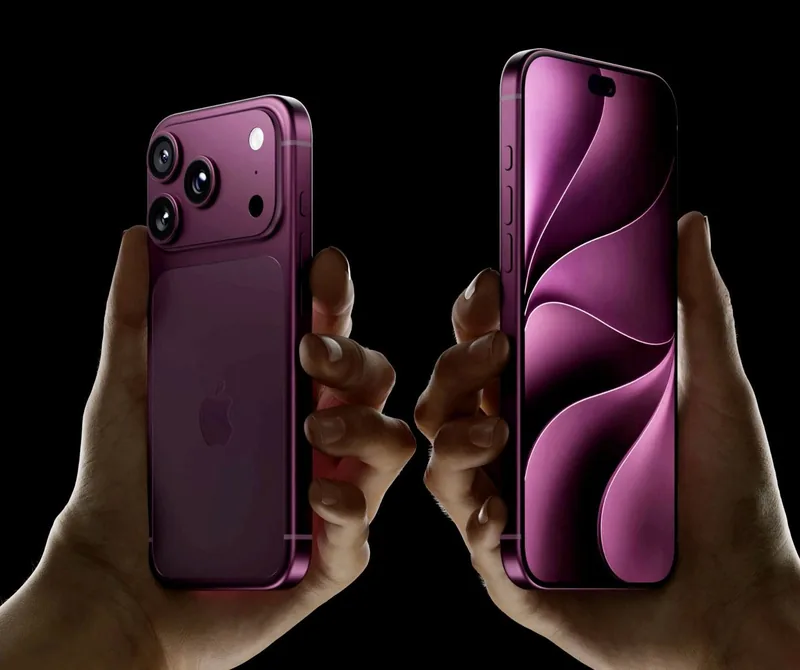
Two autumns a year: inside Apple’s break with the September ritual
 Phones
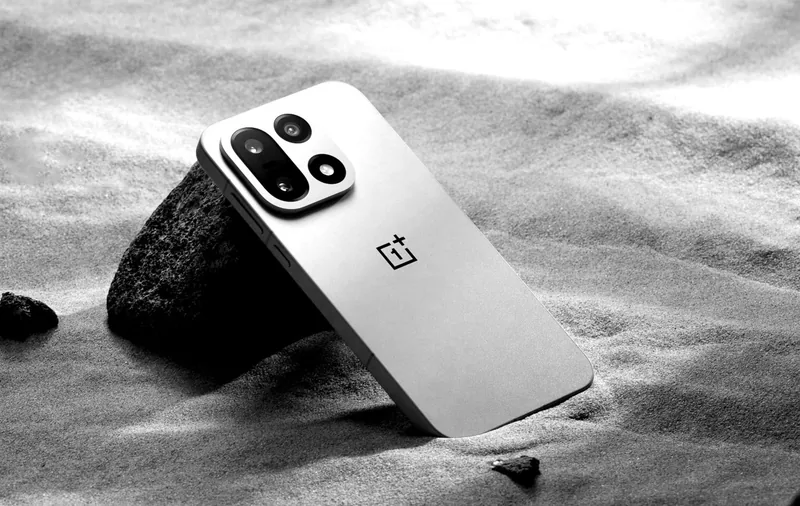
The flagship killer is dead: inside OnePlus’s retreat and what’s left of it