 The Handelot Times
2024: time for business to experiment
to Experiment?
The year ahead poses a formidable landscape for businesses to traverse. A global energy crisis triggered by an unprovoked war, surging inflation, and escalating calls for the rollback of globalization by geopolitical forces make 2023 a tumultuous time for corporate leaders. While some signs of easing inflation are visible, the International Monetary Fund predicts a slowdown in global growth from 3.2% in 2022 to 2.7% in 2023 due to high-interest rates, energy shortages, and lingering pandemic-related supply-chain disruptions.
In this dynamic environment, enterprises that have already been battered by the pandemic must prepare for the next wave of challenges and opportunities by embracing a mindset of experimentation. Research, Plan, Experiment The year 2023 demands adaptability, preparedness, and a willingness to experiment. Businesses are urged to evaluate the efficacy of their strategies in the preceding year and anticipate risks arising from both macro and micro trends. Some challenges, like workforce changes, access to capital, climate change, and supply chain bottlenecks, are universal, while others are industry-specific. Firms should intensify data collection and analysis to gain a better understanding of their customers and workforce. Data-driven insights can help answer critical questions about consumer preferences and employee skill sets, ensuring the company remains agile and well-prepared for various scenarios.
Interest rates
Businesses and consumers accustomed to low interest rates and easy access to credit have experienced a notable shift. As central banks raised rates to combat inflation in 2022, capital in 2023 is becoming scarcer and more expensive. Unlike in the past when lenders were inclined to fund promising ideas, companies now require a strong track record and a well-defined business plan to secure funding. This new financial landscape may trigger increased acquisitions as businesses either falter or seek mergers.
Enhancing supply chain resilience
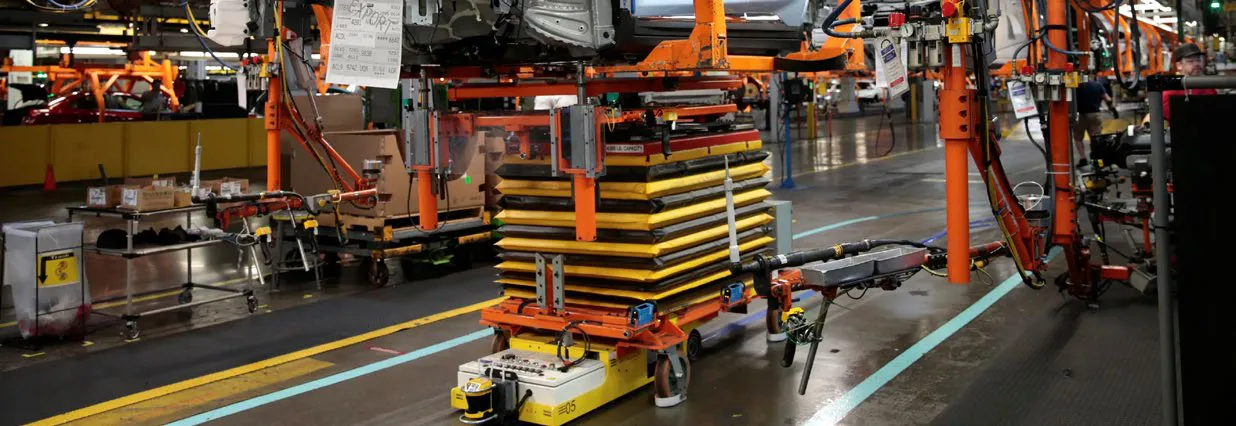
While some pandemic-induced supply chain bottlenecks have been resolved, others persist, exacerbated by protectionist policies. Companies must identify potential supply chain vulnerabilities stemming from geopolitical tensions or weather-related disruptions. Many organizations are adopting strategies like diversifying suppliers, selecting various factory locations, and optimizing shipping methods to mitigate such risks. This approach prioritizes security, accessibility, and stability, factoring in cost and efficiency to ensure realistic project timelines.
More in Markets
 Markets
Salt instead of scarcity: how CATL’s sodium battery launch redraws the map of the energy transition
 Markets
Quick hits: TikTok saved, sort of, and SpaceX swallows xAI in the largest merger in history
 Markets
Big Tech’s power shift: who owns AI, who owns the future
 Markets
The $3 trillion IPO summer: SpaceX, OpenAI and Anthropic go public