 The Handelot Times
5G in gaming
Up until now, the vast majority of discussion around 5G has centered around the possibility for it to enhance the conveniences of everyday life.
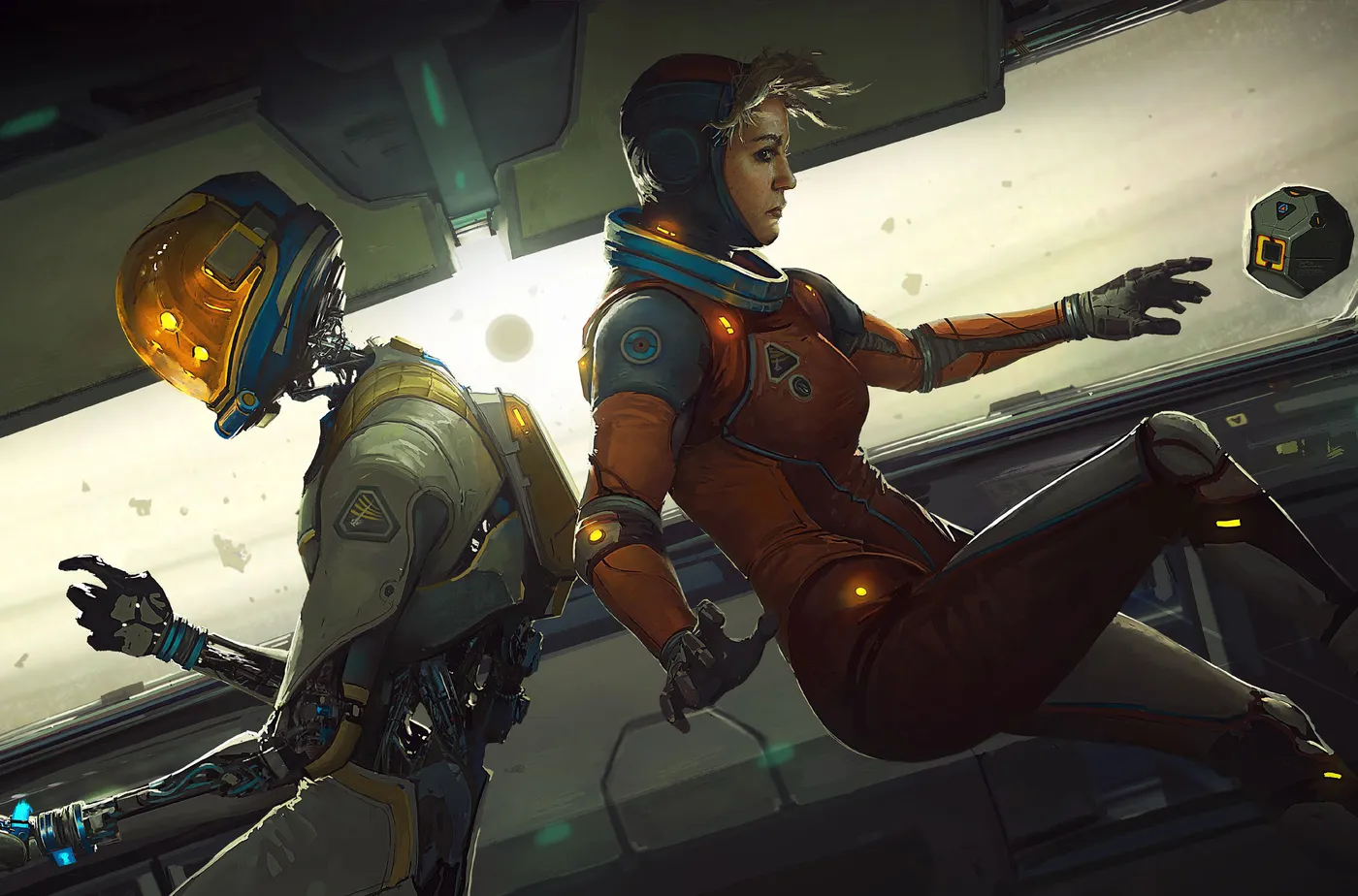
Up until now, the vast majority of discussion around 5G has centered around the possibility for it to enhance the conveniences of everyday life. While the automation of background tasks such as heating, cleaning, and protecting our homes is certainly a desirable pursuit, in focusing too much on that we overlook the possibility that 5G can make our lives a lot more fun. For the last little while now, gamers have been living for seamless connectivity between their PCs, consoles, and mobile devices. Platforms like the Nintendo Switch, which has been wildly popular and selling like hotcakes, are the epitome of the desire for seamless-ness. Now, one trend is toward engineering the phones to be consoles in and of themselves, as devices like the Razer Phone 2 and the ASUS ROG are already on the market and earning rave reviews with their beautiful screens, excellent sound, and lush screen performance. The verdict is out on whether such phones will succeed enough to take over the mainstream, as they must be sufficient enough to perform all the regular tasks a typical smartphone user requires.
Even if they prove to be a fad, smartphones are being built to access 5G networks and the vast amount of data they’re capable of transferring. 5G will make existing technological innovations that are on the precipice of breaking through, like virtual reality helmets and digital home assistants, that much more essential for consumers to buy, and therefore that much more essential to have in stock. Additionally, the ability to download lots of data quickly requires upgraded parts, which is why we’re seeing the quick evolution of processors, improved battery life with quicker charging capabilities, and the development of chipsets built to power AI technology.
Games of the (near) future will ostensibly feature better graphics and in-game artificial intelligence-driven functions, which means that the size of games will take up much more space on phones, computers, and other devices. Therefore, we may begin to see cellular service operators offer unlimited data packages. This will, in turn, drive game developers to take advantage of those new capabilities. Indeed, we’re already seeing it in games like PlayerUnknown’s Battlegrounds (PUBG) and Fortnite, which are games that, in having rich amounts of content already, require constant internet connection. 5G will only drive developer to create richer worlds for these and other games. In mobile games, where additional downloadable content is often required to complete the gameplay experience, the annoyance of doing such will be eliminated because 5G will allow for downloading extra content in tandem with the main game.
The best thing about 5G, and you might have guessed this from reading about all the remote-controlled wonders that the near-future will bring, is that the enhanced data transfer may finally drive the nail in the coffins of those pesky wires.
More in Markets
 Markets
Salt instead of scarcity: how CATL’s sodium battery launch redraws the map of the energy transition
 Markets
Quick hits: TikTok saved, sort of, and SpaceX swallows xAI in the largest merger in history
 Markets
Big Tech’s power shift: who owns AI, who owns the future
 Markets
The $3 trillion IPO summer: SpaceX, OpenAI and Anthropic go public