 The Handelot Times
A Handelot guide to spotting fake goods online
Look out for deals that are too good to be true. Not all fakes sell at lower prices than their genuine counterparts, but an unreal bargain is one of the surest signs of an unreal product.
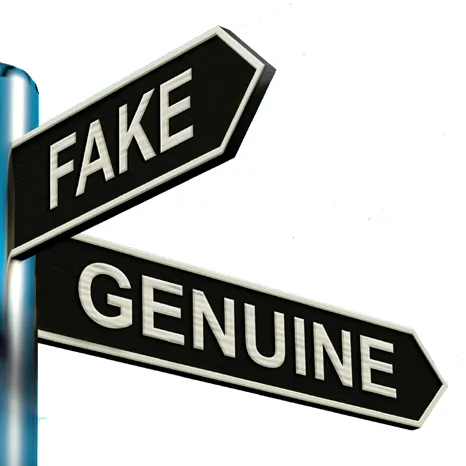
Look out for deals that are too good to be true. Not all fakes sell at lower prices than their genuine counterparts, but an unreal bargain is one of the surest signs of an unreal product. Know the most most common counterfeited items. Handbags, wallets, and sneakers are three of the most bootlegged items sold online.
The more upscale the brand, the more likely it is to find a counterfeit knockoff. If a Hermes handbag is held in high esteem, then counterfeiters will come out of the woodwork to sell you a cheaper version of it, making it more difficult to find the real thing.
Words matter. Look for words in item descriptions that stop short of claiming 100% authenticity. Weasel words such as “compares to” and “replica” are dead giveaways that the product you are interested in is not authentic. When in doubt, spit it out. In the June 2007 counterfeit toothpaste scare, at least one person who became ill because of the product continued to use the product even though they noticed that it tasted awful. If something doesn’t seem right, especially in a product that you ingest, stop using it immediately and contact authorities.
More in Markets
 Markets
Salt instead of scarcity: how CATL’s sodium battery launch redraws the map of the energy transition
 Markets
Quick hits: TikTok saved, sort of, and SpaceX swallows xAI in the largest merger in history
 Markets
Big Tech’s power shift: who owns AI, who owns the future
 Markets
The $3 trillion IPO summer: SpaceX, OpenAI and Anthropic go public