 The Handelot Times
Anton Sugoniakin: how can the circular economy trend affect the consumer electronics industry?
af fect the consumer electronics industry?
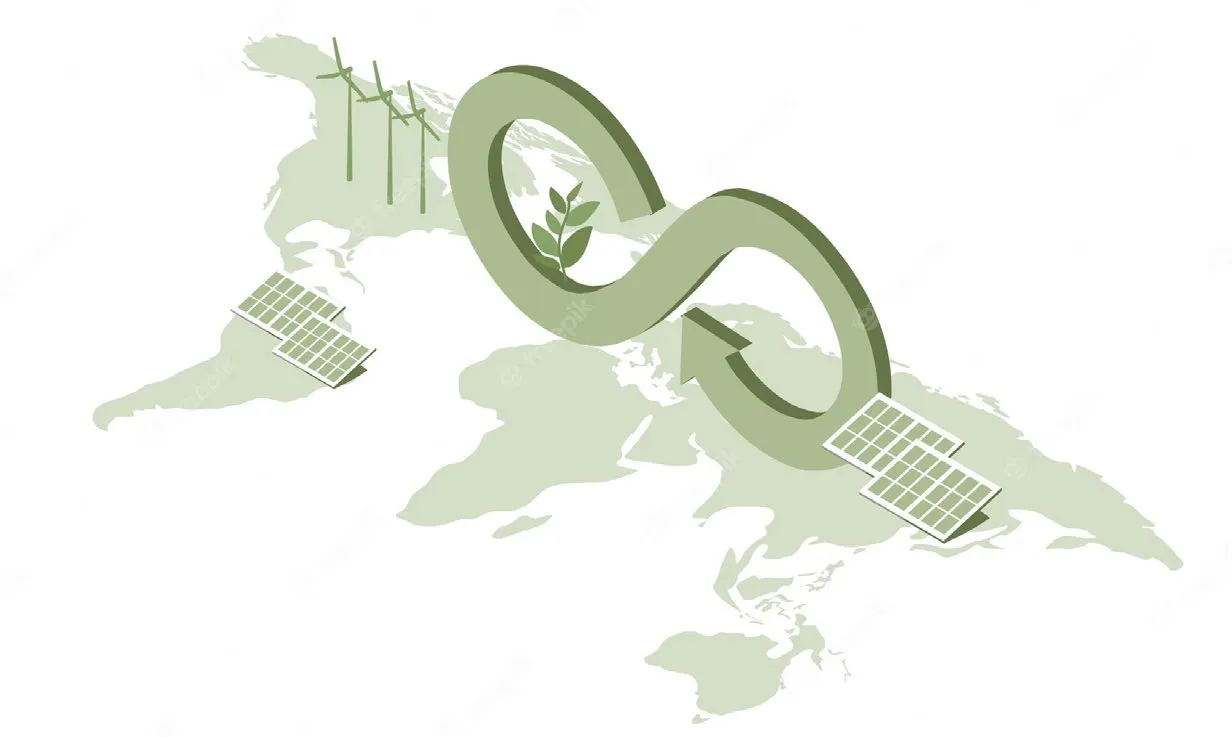
The circular economy (CE) departs from the linear economic model by keeping materials and waste in a closed loop. This approach allows for maximizing the value of the resources in the supply chain.
Conversely, by focusing on sustainable product life cycles, CE reduces environmental damage, reduces costs, improves quality, and makes a positive social impact. That’s why this concept has gained worldwide recognition and the support of political entities due to its potential to impact multiple domains. In 2020, in fact, the EU Commission announced the Circular Economy Action Plan. The Plan encompasses a range of initiatives spanning the entire product life cycle. This comprehensive plan focuses on product design and the promotion of sustainable consumption. The key goal was to ensure that the resources used remained within the EU economy for as long as possible.
As sustainable plans gain traction among EU parties, businesses are facing greater obligations; these include disclosing a wider range of data, such as carbon emissions. The new rules will apply to both large privately held companies and smaller listed enterprises by 2024. The name of the directive is “Corporate Sustainability Reporting Directive,” and it will cover companies operating for at least three years, resulting in a threefold increase to around 50,000 covered entities.
Global circular economy
The implementation of the circular economy is not confined to the European Union alone. Several countries worldwide have embraced this concept as well.
More in Markets
 Markets
Salt instead of scarcity: how CATL’s sodium battery launch redraws the map of the energy transition
 Markets
Quick hits: TikTok saved, sort of, and SpaceX swallows xAI in the largest merger in history
 Markets
Big Tech’s power shift: who owns AI, who owns the future
 Markets
The $3 trillion IPO summer: SpaceX, OpenAI and Anthropic go public