 The Handelot Times
Bitcoin, other than anti-inflation hedge
plummeted -56% in a quarter.
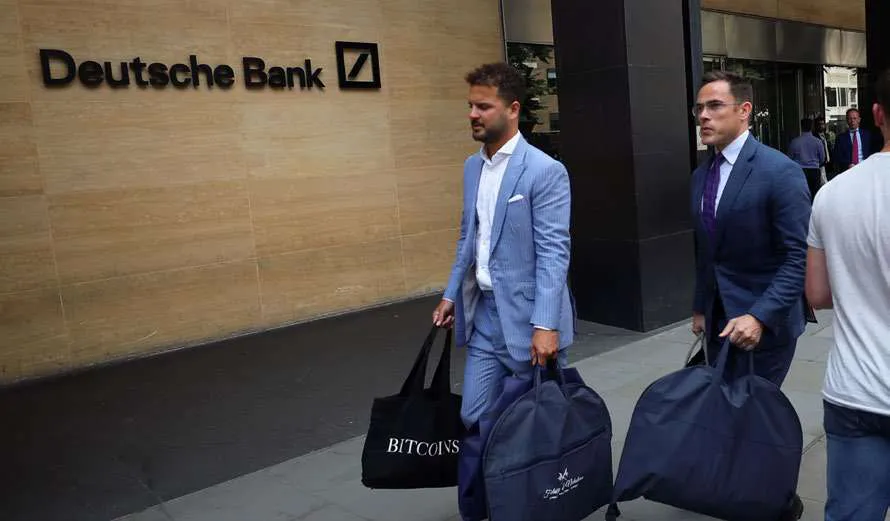
But JP Morgan sees bottom close, ditto Deutsche Bank: ‘More like diamonds than gold’ In this escape from the risk that continues to characterize the financial markets in 2022, Bitcoin is without a shadow of a doubt one of the most illustrious victims, as well as the protagonist of a great denial. Other than super hedge against inflation, considered in some cases better protection against the flare-up of prices even more than gold: the number one cryptocurrency in the world is preparing to end the worst quarter in more than a decade, despite the galloping inflation that is unnerving the various central bankers (from the Fed of Jerome Powell, to the ECB of Christine Lagarde, to the Bank of England of Andrew Bailey).
Bloomberg data shows that, during the second quarter ending today, Thursday 30 June, Bitcoin suffered a thud equal to -56%, a record loss since the third quarter of 2011, when the digital currency was still in its infancy.
In this decade, everything has happened: Bitcoin has boomed and doomed, spurting upwards with endorsements from the world of high finance, and capitulated with the threat of greater controls and tightening by the regulatory authority on duty. An object of absolute faith, seen as the currency of the future by some, and denigrated by others, who have often defined it as an asset with an intrinsic value of zero, Bitcoin still remains a much discussed asset.
In any case, cryptocurrency has certainly been supported, and not a little, even by the era of zero if not below zero rates: that era of negative rates that is now numbered, as emerges from the same metamorphosis that has changed the characteristics of the monetary policy of the ECB of Christine Lagarde, ready to raise rates in July. Rates have long ceased to travel around zero in the US and UK, as well as in other parts of the world, due to central banks’ almost desperate fight against inflationary pressures. The demise of easy money, accompanied by the transition of sentiment from risk-on to risk off, has had major repercussions on Bitcoin.
More in Markets
 Markets
Salt instead of scarcity: how CATL’s sodium battery launch redraws the map of the energy transition
 Markets
Quick hits: TikTok saved, sort of, and SpaceX swallows xAI in the largest merger in history
 Markets
Big Tech’s power shift: who owns AI, who owns the future
 Markets
The $3 trillion IPO summer: SpaceX, OpenAI and Anthropic go public