 The Handelot Times
Brendan James: takeaways from the east, the new generation
Back in the summer, The Handelot Times let you traders know that Estonia would be the first country in the world, together with Finland, to have a 5G network up and running.
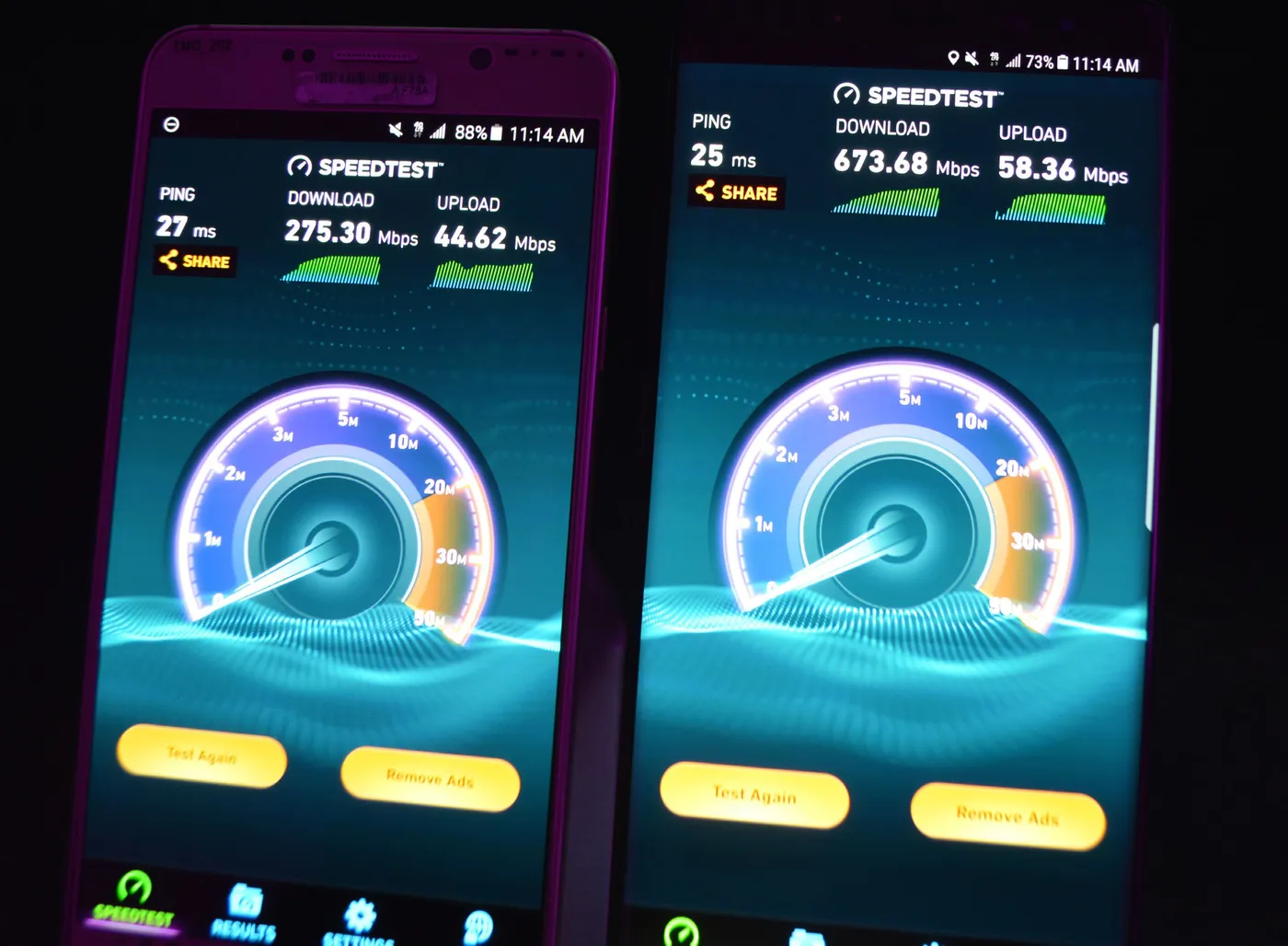
Back in the summer, The Handelot Times let you traders know that Estonia would be the first country in the world, together with Finland, to have a 5G network up and running. It is currently there, but unfortunately that’s all we can say about this innovation: it exists. Meanwhile, Chinese smartphone manufacturers have been looking for ways that 5G can work on their prized devices. Naturally, that means looking at the two leaders of the mobile game in China: Huawei and Xiaomi, and observing the technology behind their 5G ambitions. Welcome to a special edition of Takeaways from the East.
As you’ve read, we’ve chosen to feature Huawei’s newest mobile powerhouses and celebrate their sub-brand Honor’s successes. Why are the Mate 20 series so impressive? Why is Honor able to have such a powerful gaming phone? The Kirin 980, an impressively small microprocessor, is the secret to their successes. Introduced just days before Apple unveiled their new crop of iPhones to the world, the 980 is the world’s first 7-nanometer (nm) chipset -the world’s smallest to date. Of course, the set wouldn’t have been made so small if Kirin weren’t prepared to pack it with power. The 980 contains 1.6 times as many transistors as their previous chipset did, reports the Times of India.
There’s lots of other tech specs that sound impressive: it has an octa-core comprised of Cortex A76 and A55 cores, and also works in tandem with the Mali-G76 graphics processing unit in the new Huawei devices. Those things are barely noticeable unless your device lags during a particularly heated game of Fortnite. More obvious is the chipset’s capacity for advanced facial recognition – it helps cameras recognize a human face from that of a dog, for example. All of those features will fuel the success of this phone and Huawei as a whole. Most of all, the Kirin 980 is the first chip that will be able to support 5G technology.
Speaking to the Times of India, Benjamin Wang, Huawei’s deputy general manager of chipsets, recently announced that his company will launch 5G-capable devices starting in 2019. In short, the company seems poised to launch the Internet Of Things revolution for an entire hemisphere.
More in Markets
 Markets
Salt instead of scarcity: how CATL’s sodium battery launch redraws the map of the energy transition
 Markets
Quick hits: TikTok saved, sort of, and SpaceX swallows xAI in the largest merger in history
 Markets
Big Tech’s power shift: who owns AI, who owns the future
 Markets
The $3 trillion IPO summer: SpaceX, OpenAI and Anthropic go public