 The Handelot Times
Coronavirus boosts sales of Plague the video game that simulates pandemics
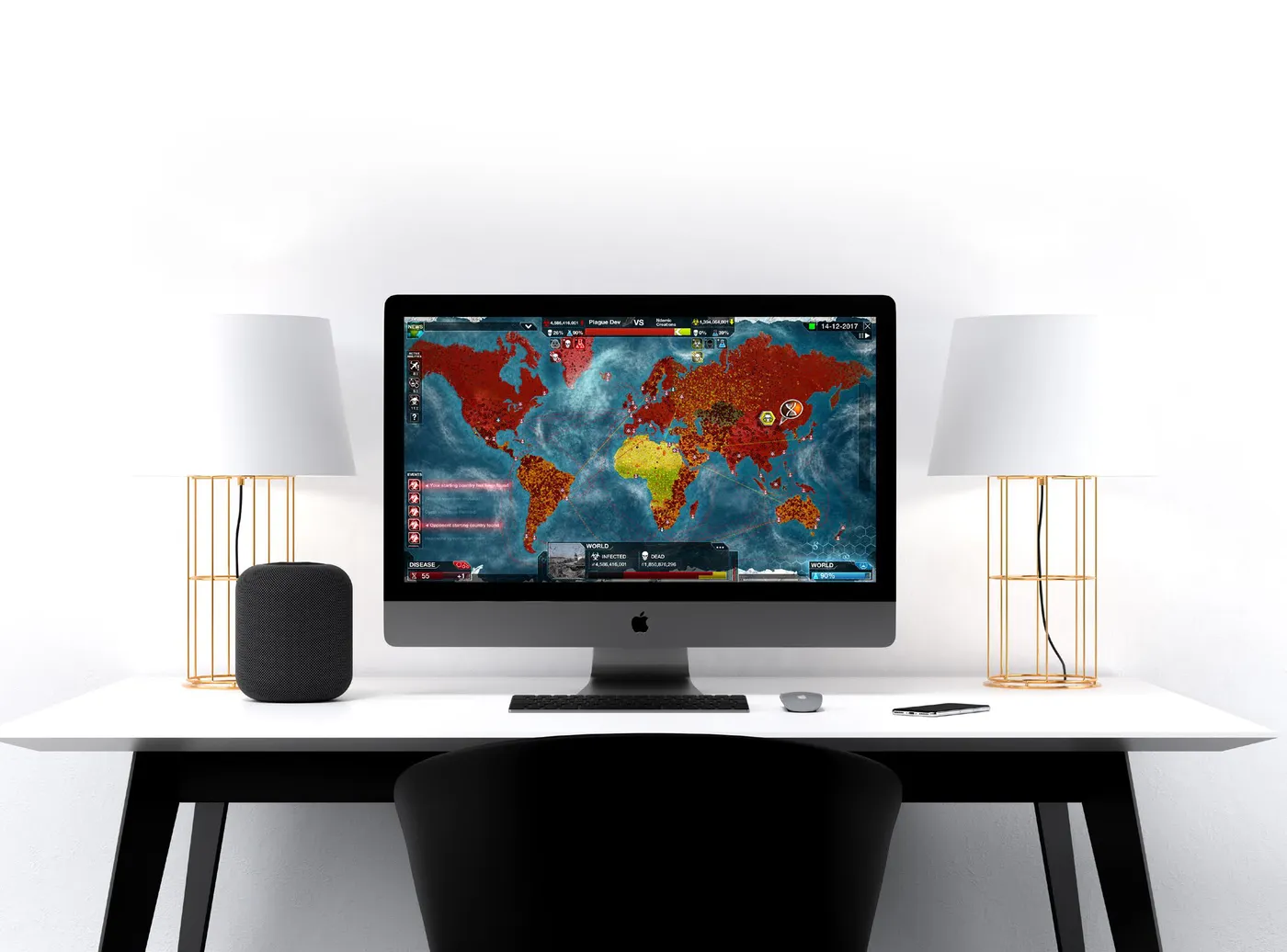
The digital simulation of global epidemics has reached a record high in China. It is the second hit after ebola.
The digital simulation of global epidemics has reached a record high in China. It is the second hit after ebola.
Exorcise the fear of coronavirus by playing. As the virus spreads a video game, Plague Inc., is setting a record for sales in China. Born eight years ago, it simulates the spread of a pandemic and calls on the player to propagate On the one hand then Plague Inc. allows you to fight the fear of the coronavirus, on the other hand to understand how it works. Impersonating a pathogen, realizing how difficult it is to spread it and infecting people seems to have a calm-pathogens such as bacteria, viruses and other infections before a cure is found. Like in a war, infectious armies are deployed, improving their characteristics. We can increase the means of dissemination, enhance drug resistance and intensify the symptoms to make life more difficult for scientists and governments trying to save lives.
ing effect. From 2012 to today, the video game has totaled over 120 million copies but it is no coincidence that the peak of sales, before the coronavirus, had arrived in 2014, when it had appeared Ebola.
Remember it's a game
On the second front, players, media and experts are using Plague Inc. to understand what an epidemic is. People try to find out more about how diseases spread and understand the complexities of them, said the developers of Ndemic Creations. After all, the simulation is so realistic that it has received the approval of the CDC (Centers for Disease Control and Prevention), the US body that monitors the progress of infections and epidemics, and other important medical organizations in the world.
More in Markets
 Markets
Salt instead of scarcity: how CATL’s sodium battery launch redraws the map of the energy transition
 Markets
Quick hits: TikTok saved, sort of, and SpaceX swallows xAI in the largest merger in history
 Markets
Big Tech’s power shift: who owns AI, who owns the future
 Markets
The $3 trillion IPO summer: SpaceX, OpenAI and Anthropic go public