 The Handelot Times
How global politics and elections influence international business
influence international business In the complex world of global business, political dynamics hold substantial influence over a variety of economic factors.
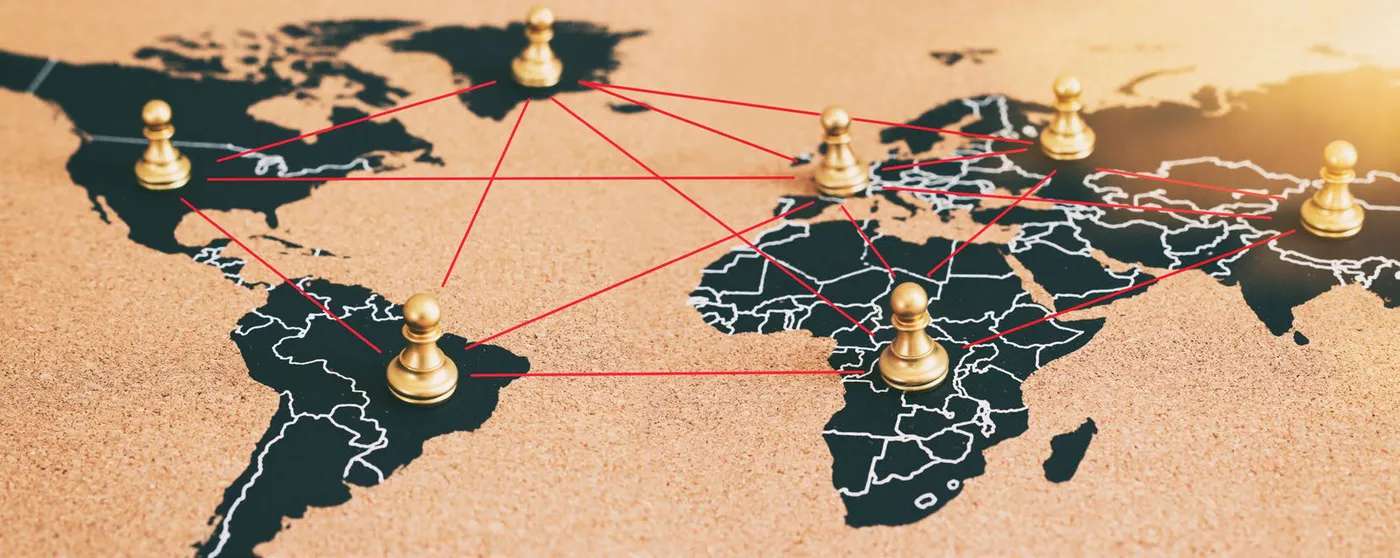
As we move further into an interconnected global economy, political events such as national elections become key catalysts for these shifts. In fact, in 2025, elections in 70 countries—representing nearly half of the world’s population and about 55% of the global GDP—will shape the political climate, often resulting in uncertainty for businesses. These elections can bring about changes in trade policies, leadership, and even the regulatory framework, all of which require companies to stay agile and informed. The outcomes of such political events have the potential to reshape not only local markets but also global trade relationships.
This means businesses must not only focus on the financial health of the markets they operate in but also on understanding the political environment. Recognizing how elections and political decisions impact business operations is crucial for managing risks and identifying new growth opportunities. Political leaders often enact policies that can either benefit or hinder economic development, influencing everything from trade agreements to foreign investment strategies. Thus, a company’s ability to navigate this landscape can be the difference between success and failure in a rapidly changing global economy.
Key political factors influencing business:
Political decisions and events directly affect the global business landscape, as they shape economic policies, trade relationships, and regulatory frameworks. Businesses operating internationally need to remain aware of political shifts to adapt and thrive. Political factors, such as changes in trade policies, government leadership, and geopolitical tensions, can create either opportunities or risks. For example, new trade agreements can open markets, while trade restrictions or sanctions can limit access to vital resources or markets. Political stability, or the lack thereof, also has a profound impact, as uncertainty can disrupt operations and lead to increased costs or even halted business activities. Understanding these dynamics is key for businesses to anticipate and navigate the constantly evolving international business environment. Let’s see in details.
1. Trade Policies and Tariffs: The foundation of global trade is built upon complex trade relationships, and politics plays a major role in shaping them. For instance, trade agreements, tariffs, and sanctions are frequently determined by the political agendas of governments. The trade policies enacted by governments influence how easily goods can cross borders and the costs involved. A change in political leadership can lead to sudden shifts in trade agreements or the introduction of tariffs that increase the price of imports and exports. Companies that are unaware of these changes may face supply chain disruptions, higher costs, or loss of market access. Understanding trade dynamics is essential for businesses to stay competitive, particularly as tariffs or trade restrictions can impact product pricing, consumer demand, and overall profitability. Staying updated on political decisions related to trade ensures companies can adapt their strategies quickly, adjust prices, or even shift sourcing strategies to mitigate potential losses.
More in Markets
 Markets
Salt instead of scarcity: how CATL’s sodium battery launch redraws the map of the energy transition
 Markets
Quick hits: TikTok saved, sort of, and SpaceX swallows xAI in the largest merger in history
 Markets
Big Tech’s power shift: who owns AI, who owns the future
 Markets
The $3 trillion IPO summer: SpaceX, OpenAI and Anthropic go public