 The Handelot Times
How technology will change the world of medicine
From big data to VR viewers, new technologies will bring big news even in the medical world, improving the services offered to users.
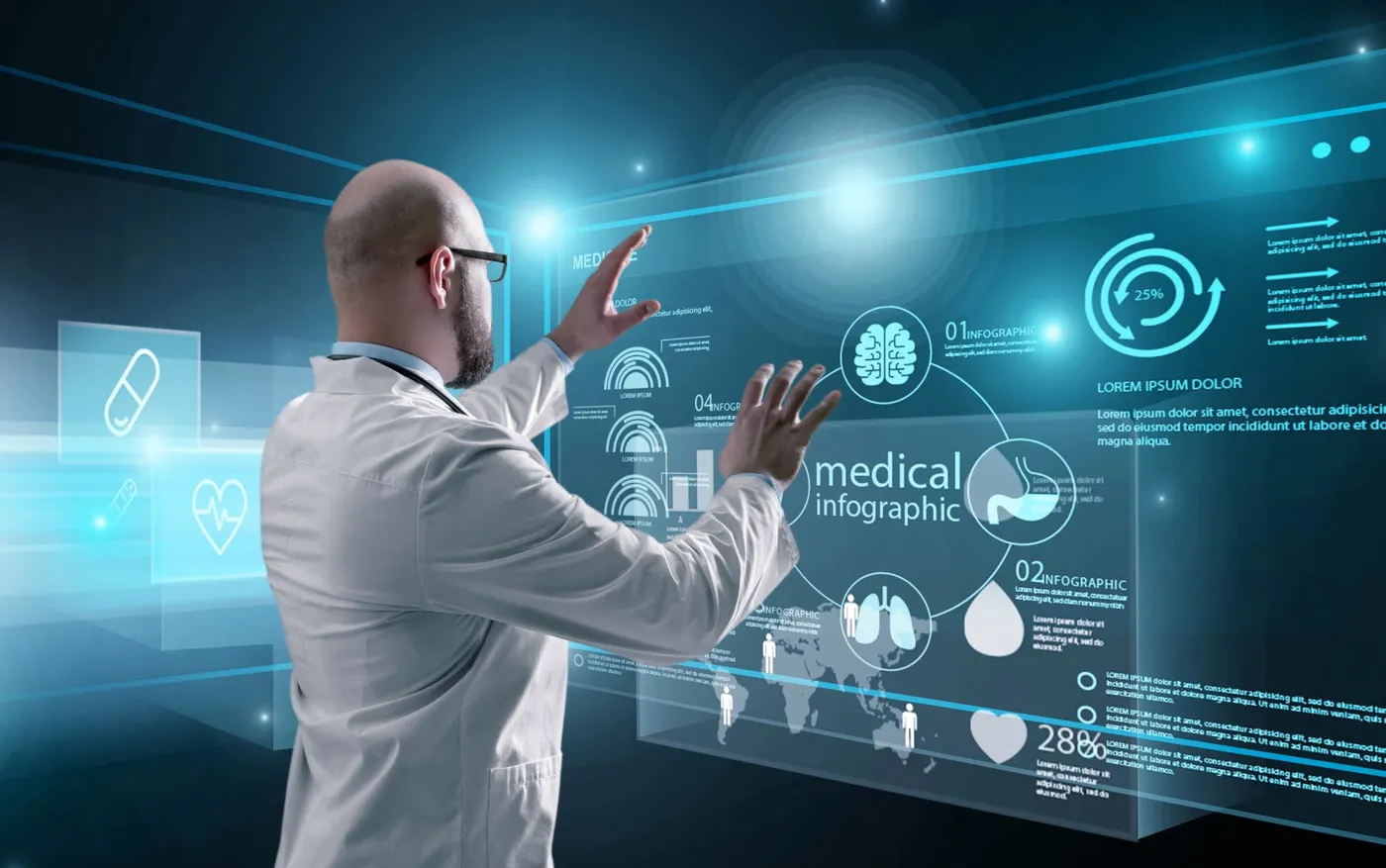
From big data to VR viewers, new technologies will bring big news even in the medical world, improving the services offered to users.
Compared to fifty years ago, the average life span of a man has been extended, and by far. The credit goes largely to the scientific discoveries that have allowed to cure diseases that previously led to death. Technology has also done its part: increasingly reliable tools have become part of operating theaters that have allowed doctors to quickly diagnose people’s illnesses.
The world of medicine is close to another great revolution and the merit is once again technology. In operating theaters and surgeries, new technologies are popping up that could forever change the treatment of certain diseases. VR viewers and big data will allow doctors to facilitate the diagnosis and treatment of certain diseases. The viewers for the mixed reality of Microsoft, the HoloLens will be used in the operating room for operations to the vertebrae, helping the doctors to not make mistakes. But technology is also allowing people to research the symptoms of diseases on the Internet and to understand what they are suffering from: there are many online sites that offer diagnoses, replacing the figure of the doctor. It must be said, however, that this new practice (self-help) can be very dangerous: self-diagnosis can lead a person to believe that they have an incurable disease, when in reality it is a simple influence. Here are the technologies that will change medicine.
Big data
The potential of big data has been analyzed over and over again. It has always been emphasized that a correct use of big data can change entire economic sectors and beyond. Medicine is also starting to find out how useful large data databases can be, especially in diagnosing rare diseases. If the symptoms fail to understand what a patient is suffering from, it is possible to compare their data with those of millions of patients, looking for similar cases so as to make targeted analyzes. Besides being a great saving for the national health system, it will also be easier and faster to diagnose the disease. In many cases, a difference of a few days can save a person’s life.
More in Markets
 Markets
Salt instead of scarcity: how CATL’s sodium battery launch redraws the map of the energy transition
 Markets
Quick hits: TikTok saved, sort of, and SpaceX swallows xAI in the largest merger in history
 Markets
Big Tech’s power shift: who owns AI, who owns the future
 Markets
The $3 trillion IPO summer: SpaceX, OpenAI and Anthropic go public