 The Handelot Times
How will the U.S. elections influence the market conditions?
The intersection of politics and markets has never been as pronounced as it is today. Following the recent U. S. elections, the country’s shifting political priorities have created ripple effects that extend far beyond its borders.
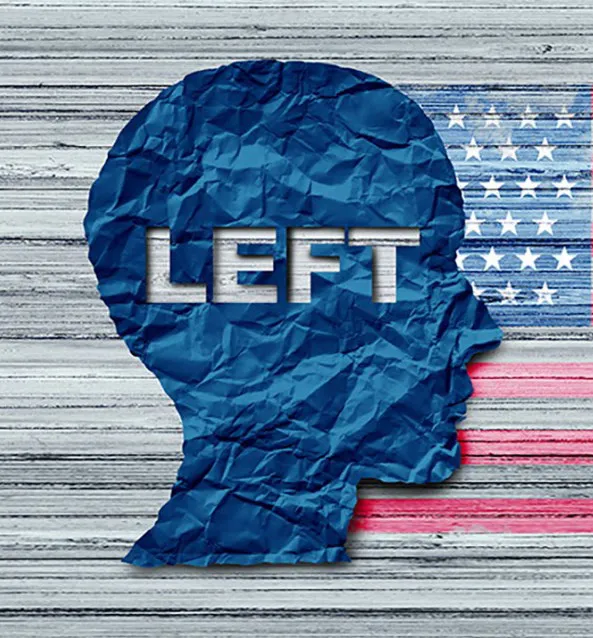
These dynamics underscore the significance of economic policies in shaping market trends and global trade. While markets historically reacted minimally to elections, the increasing polarization of political discourse and policy has altered this dynamic.
The implications of these elections are particularly profound in an era marked by heightened partisanship. A divided political landscape often yields polarized winners and losers, as varying ideologies give rise to distinct fiscal, trade, and social policies. Investors, businesses, and global partners are left to navigate an uncertain environment, where economic outcomes are increasingly tied to political shifts. This article examines how the post-election political environment has begun to influence domestic and international markets. From tax policies and trade agreements to sector-specific shifts, we analyze the outcomes of the election and discuss the strategies investors can use to mitigate risks and capitalize on emerging opportunities.
The roots of political polarization in the U.S. Economy
Political polarization in the United States stems largely from decades of economic transformation. After the stagflation of the 1970s, the 1980s ushered in globalization, technological advancement, and demographic shifts. While these changes brought substantial economic growth, particularly for capital owners, they also widened the gap between the wealthy and the rest of the population. Real incomes for lower-income households stagnated, creating fertile ground for divergent political ideologies. Today, political parties offer contrasting solutions to address wealth inequality. Democrats often advocate for wealth redistribution and expanded social programs, while Republicans focus on protectionism, tax cuts, and domestic supply chains. This ideological divide drives distinct policy approaches, influencing everything from trade agreements to tax structures.
Inequality and its policy impacts
Wealth and income inequality shape policy priorities. Both major U.S. parties recognize the need to address this issue, but their methods diverge significantly. Policies aimed at tackling inequality often come with economic trade-offs: higher national debt, potential inflation, and varied effects on growth. For example:
More in Markets
 Markets
Salt instead of scarcity: how CATL’s sodium battery launch redraws the map of the energy transition
 Markets
Quick hits: TikTok saved, sort of, and SpaceX swallows xAI in the largest merger in history
 Markets
Big Tech’s power shift: who owns AI, who owns the future
 Markets
The $3 trillion IPO summer: SpaceX, OpenAI and Anthropic go public