 The Handelot Times
IoT & smart sensors boom
How 2025 Turns Connected Sensing into a Global Growth Engine For more than a decade, the Internet of Things was described as a promise: billions of devices, trillions of data points, industries transformed by pervasive sensing. In 2025, that promise finally becomes visible at scale.
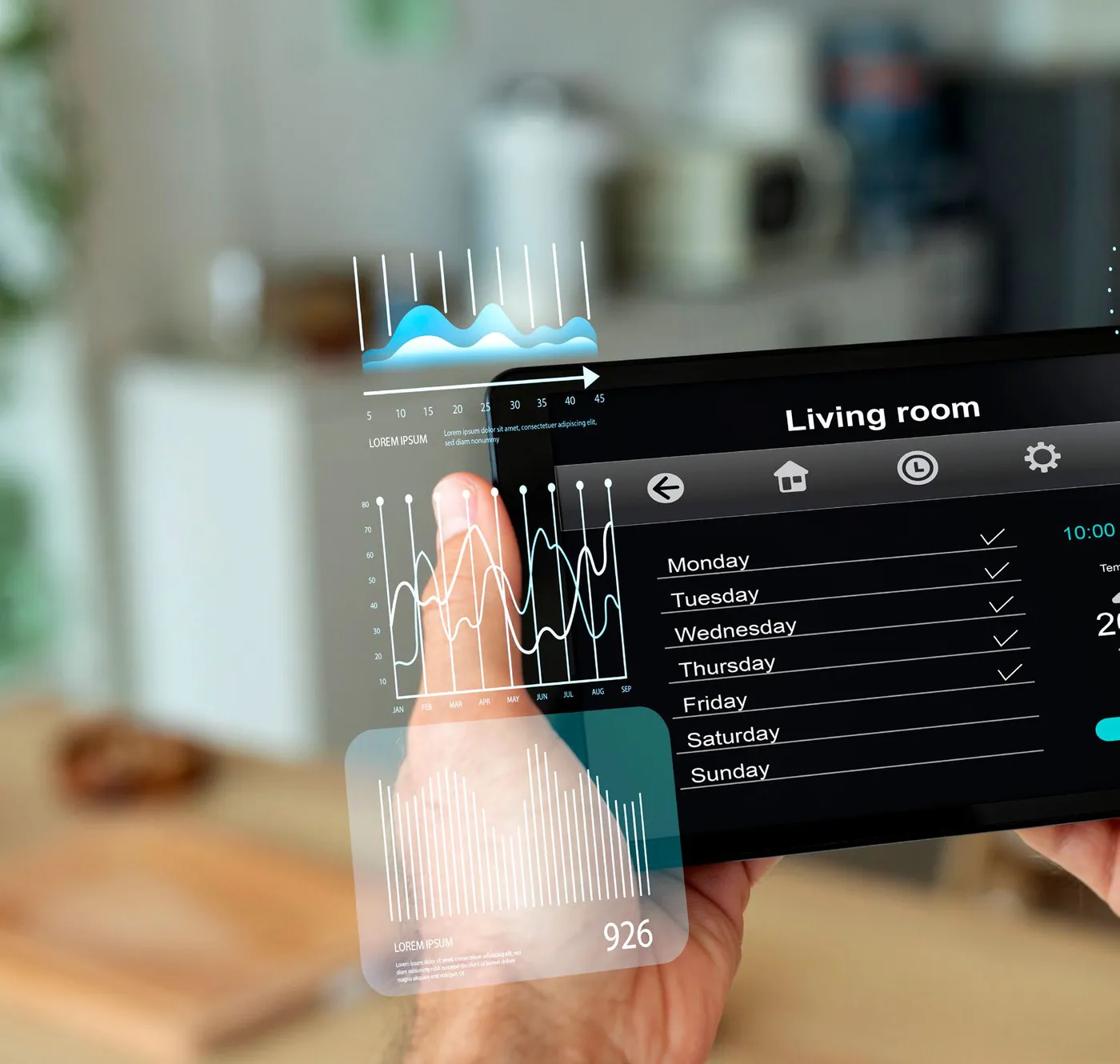
Sensors — once simple measurement components — have evolved into networked, intelligent, low-power devices forming the backbone of digital infrastructure. They are smaller, more accurate, more affordable and more interoperable than ever before. And because they increasingly integrate edge computing and AI inference, they generate not just raw signals but immediate, actionable insight. The result is a profound shift in the electronics landscape. While consumer gadgets grow steadily but modestly, sensors for IoT systems are expanding at a pace that outstrips many traditional hardware categories. In Europe in particular, where energy optimization, industrial automation and healthcare innovation are strategic priorities, the surge is especially pronounced.
Let’s break everything down in much detail.
The new logic of growth: why sensors outpace traditional hardware
For years, the electronics industry revolved around devices people bought for themselves: smartphones, tablets, laptops and televisions. Today, a sizeable share of growth stems from devices people never see. Smart sensors scale differently from consumer hardware:
They are deployed in the thousands rather than one per household.
More in Markets
 Markets
Salt instead of scarcity: how CATL’s sodium battery launch redraws the map of the energy transition
 Markets
Quick hits: TikTok saved, sort of, and SpaceX swallows xAI in the largest merger in history
 Markets
Big Tech’s power shift: who owns AI, who owns the future
 Markets
The $3 trillion IPO summer: SpaceX, OpenAI and Anthropic go public