 The Handelot Times
Kazi Najib Ashraf: the elephant learns to dance
I don’t really know what is happening with mobile traders in other parts of the world, but the shakers and movers here in the Middle East have mixed emotions.

I don’t really know what is happening with mobile traders in other parts of the world, but the shakers and movers here in the Middle East have mixed emotions. The number of traders has shrunk, so there are less sharks, but the seas have also receded quite a bit and the wild ones tend to bite off each others tails at times. What this means in concrete terms is that mobile traders have started to run in the same territories. What is left as a playing field for trade is mainly selling to one another: Iraq, Qatar, South America and the war zones. Oh yes, the war zones in the Middle East such as Libya and Syria have garnered a lot of interest recently, but one must be bold to go forth and extend credit in these markets. There are, however, the warriors of mobile trade who are moving forth keeping in mind the similar scenarios that had emerged in Iraq, and the early movers are the ones reaping all the benefits of this risk.
Anyhow, Saudi Arabia is now totally closed to the grey market, and Iran is facing the music of sanctions but at times does get to import product from the Middle East depending on the availability of foreign currency. Another interesting aspect of these two markets is that Apple now reigns supreme in Saudi Arabia, a country with a habit of being a single brand ambassador. Remember, it was the only country in the world in the heyday of Nokia with a 90% market share. Apple is moving in the same direction with local distributors and dealers enjoying the windfall of tighter border restrictions. On the other hand, Apple in Iran has basically stopped - I mean totally zilch because of the depreciating currency. With twice the population of Saudi Arabia and at one time the same ASP, the country now yearns for as many Samsungs as it can get its hands on. Huawei and Honor have also lost their shine in one of their key markets as well.
This leaves us to Iraq, which had always been a conduit to Iran from Kurdistan and brands have been able to bust sanctions using this corridor. Now with multiple distributors for Samsung, a brand that controls almost 70% of the Android market, there is almost no room to play for the gray players. Additionally, Samsung recently got the main traders in Iraq to meet in their regional office and offered them an incentive (up to 2%!) if they only buy from authorized players. This has basically slammed the door shut on the face of UAE based traders for Iraq. Apple also has the same partners in the country, but heck, who makes money with them? So, there are games and strategic happenings in the market leading traders to think of their next moves.
Well, we must ramble a bit about the poor guys at Huawei as the shenanigans of global power play have been testing their tusks on each other, and Huawei, together with its baby Honor, has been a terrible victim of the game. First, Huawei was ravished by Samsung’s A series where they rushed to match prices by dipping down and fracturing its own Honor brand. Poor Honor does not know where it stands now, and is running from pillar to post to find a place for itself. Then came the announcement about sanctions taking down the brand altogether. The funny part is that rather than flooding the market with devices, Samsung is now playing it like an emperor dictating terms regarding grey markets and activations to its partners. Intimidating and threatening its partners with contract terminations, Samsung is now the current don of the mobile gang, not really foreseeing the coming future where things could change.
More in Markets
 Markets
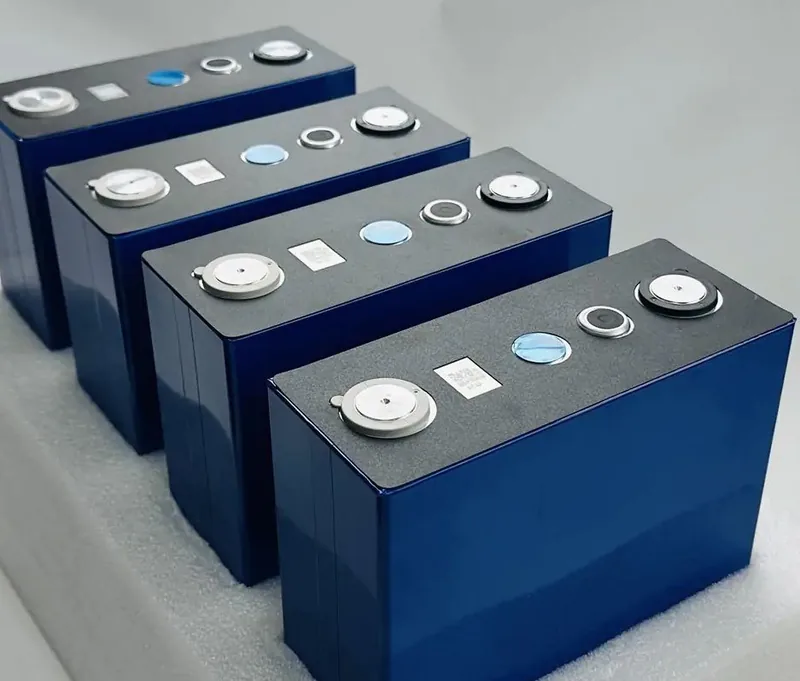
Salt instead of scarcity: how CATL’s sodium battery launch redraws the map of the energy transition
 Markets
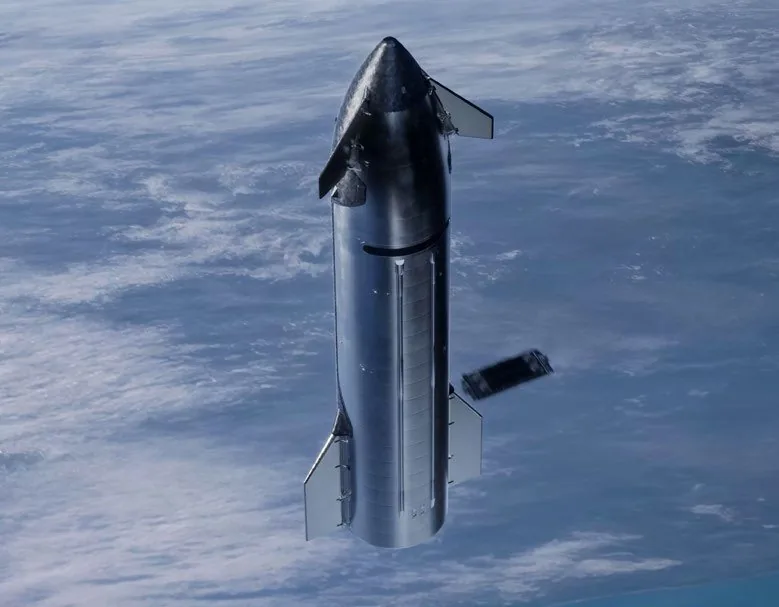
Quick hits: TikTok saved, sort of, and SpaceX swallows xAI in the largest merger in history
 Markets
Big Tech’s power shift: who owns AI, who owns the future
 Markets
The $3 trillion IPO summer: SpaceX, OpenAI and Anthropic go public